
 EN
 ar
 bg
 hr
 cs
 da
 nl
 fi
 fr
 de
 el
 hi
 it
 ko
 no
 pl
 pt
 ro
 ru
 es
 sv
 tl
 iw
 id
 lv
 lt
 sr
 sk
 sl
 uk
 vi
 et
 hu
 th
 tr
 fa
 ms
 hy
 ka
 ur
 bn
 mn
 ta
 kk
 uz
 ku

Magnetoelectric Vibration Pickup
Kingmach vibration sensing for cable and building work focuses on turning weak motion into usable frequency information. In bridge cable force measurement, vibration response can be processed through a dynamic testing system to obtain fundamental frequency and related cable force values when the method is properly configured. In building vibration measurement, the same discipline helps engineers compare normal operation with unusual movement from equipment, traffic, impact, or nearby construction. The sensor, signal path, acquisition unit, and software review should be treated as one measurement path. If any part of that path is poorly documented, the final vibration result becomes harder to defend. A useful project record should keep cable identity, floor location, sensor mounting, event condition, and analysis result together. That makes repeat measurements comparable rather than isolated.
For owner handover, the file should include point photos, axis labels, acquisition settings, related structural channels, and examples of normal behavior. That helps future reviewers understand whether a later event is unusual.
Weak-vibration review should include nearby walking, wind, traffic, equipment start-up, and construction activity because these sources can influence the trace. People walking nearby, wind, traffic, equipment start-up, and construction work can all influence the trace, so the field note should capture what was happening around the point.
For high-risk assets, inspection timing should follow events as well as calendar dates. After impact, blasting, severe weather, unusual vibration, or equipment maintenance, the sensor and the data path both deserve a quick check.
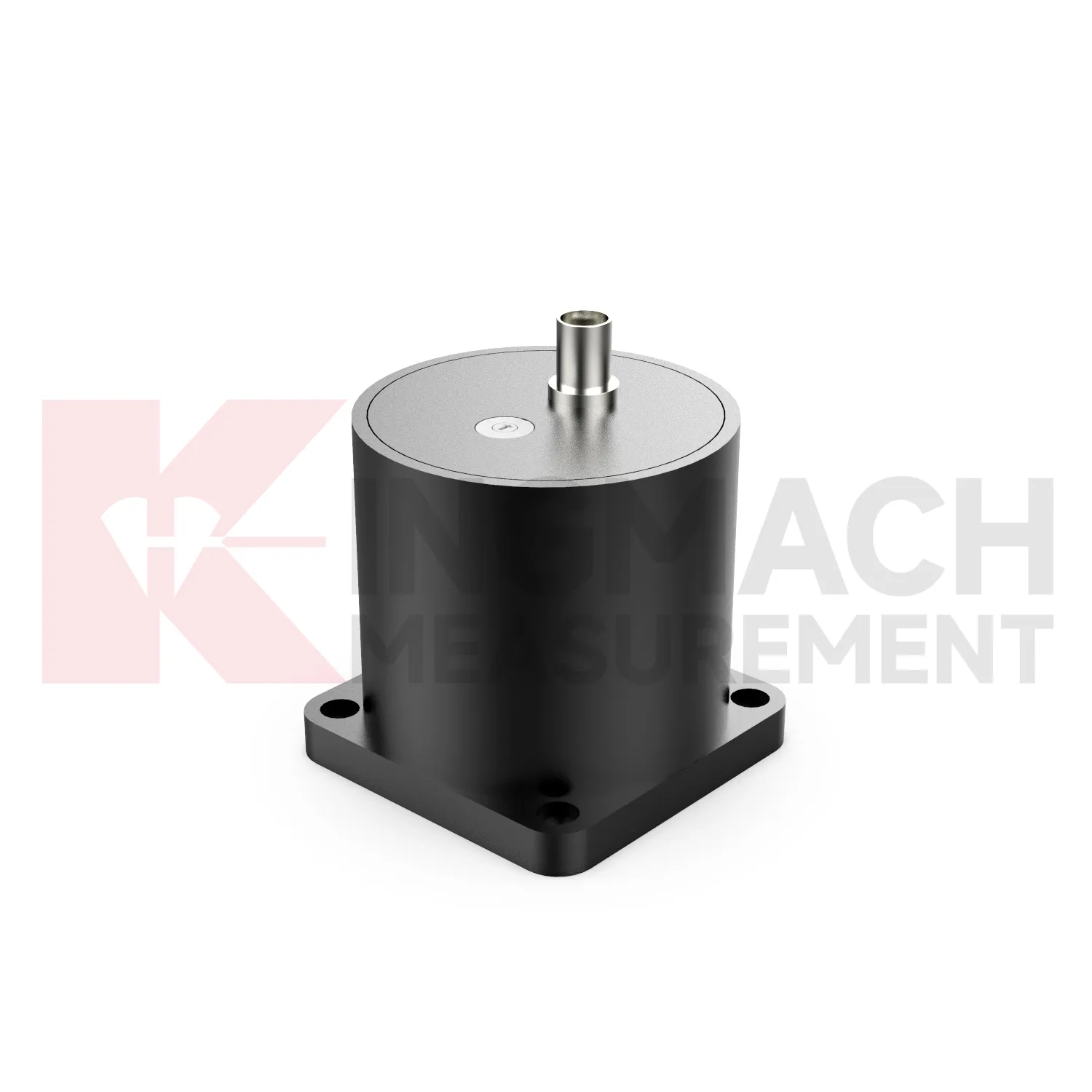
Application of Magnetoelectric Vibration Pickup
Building vibration monitoring uses Kingmach Magnetoelectric Vibration Pickup when occupants, equipment, nearby construction, traffic, or structural flexibility create motion that needs a measured record. The task may involve a floor, column, machine base, roof structure, or adjacent building. Acceleration data helps determine whether the motion is occasional, continuous, low-frequency, impact-related, or tied to a specific operating condition. A useful building record includes sensor location, mounting method, axis direction, activity during measurement, and related crack or settlement observations. This makes the result understandable to engineers, owners, and maintenance teams. It also helps separate comfort concerns from structural concerns. A floor that vibrates during machine operation may need a different response from a wall that moves during excavation nearby.
In occupied buildings, the review should connect measured motion with time of day, equipment schedules, tenant reports, nearby road activity, and any construction work. This human and operational context helps explain why a vibration is noticed, when it occurs, and whether it repeats under the same conditions.
The field team should also keep the point discreet but verifiable. A sensor hidden from accidental contact still needs a clear photo, point name, and axis record. That balance protects the device while giving engineers enough information to compare future measurements.

The future of Magnetoelectric Vibration Pickup
Future Kingmach Magnetoelectric Vibration Pickup will be specified around workflows rather than model names. A project may need continuous vibration monitoring, short event capture, cable force testing, weak ground motion, or machinery response tracking. Each workflow has different needs for mounting, acquisition, analysis, reporting, and maintenance. Workflow-led planning makes the system easier to install and operate because the buyer can connect the monitoring method with the actual asset, event type, and review process. It also makes future maintenance easier because the record already explains why the point exists and how it is used.
Future workflow documents can describe who uses the record and what action follows each event type. A bridge engineer, machinery technician, construction manager, and asset owner may all need different views of the same dynamic measurement. The workflow makes those views predictable.
This approach also improves purchasing discipline. Instead of asking for a device in isolation, the project defines mounting access, event capture, review method, reporting format, maintenance duty, and handover needs before installation begins.
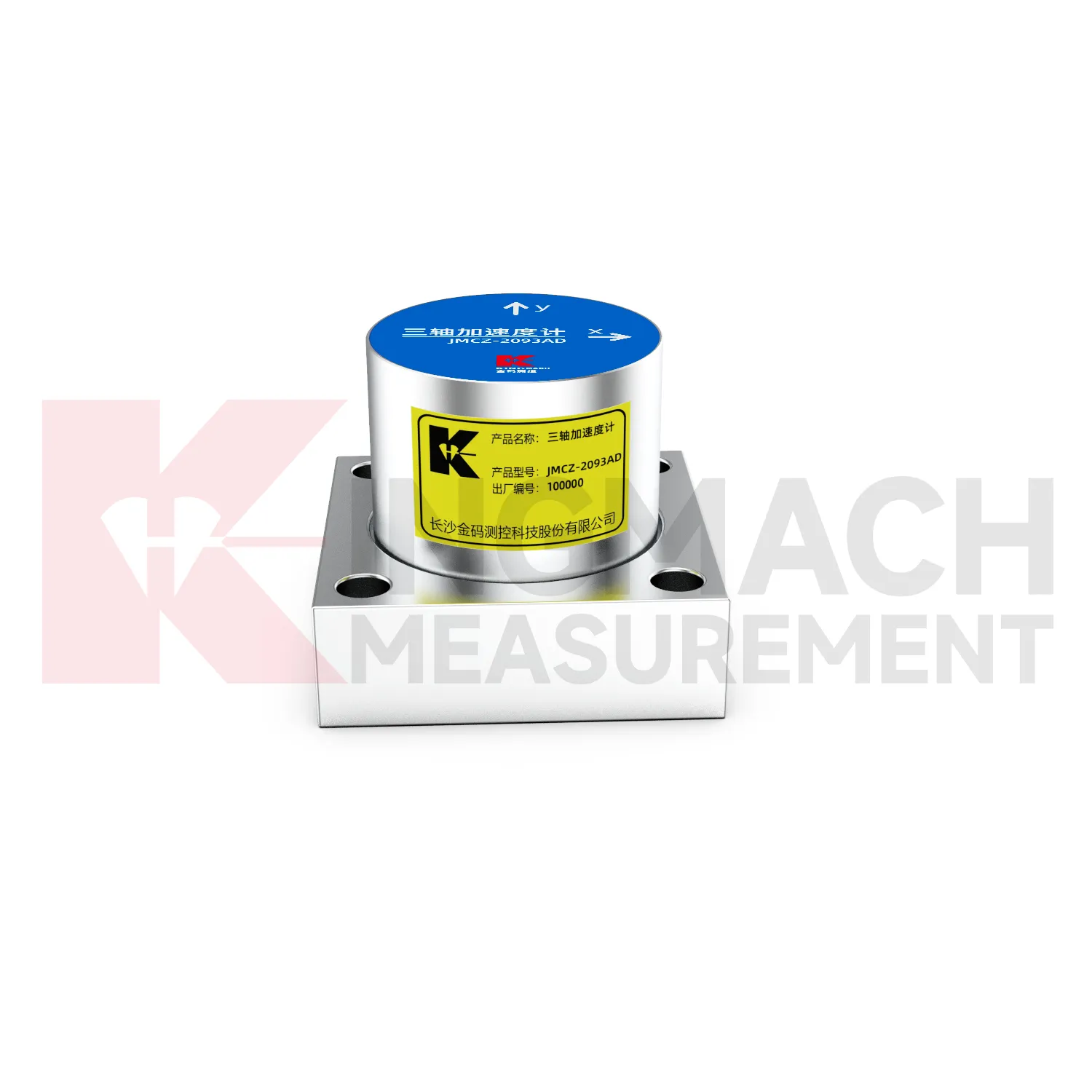
Care & Maintenance of Magnetoelectric Vibration Pickup
Acquisition settings for Kingmach Magnetoelectric Vibration Pickup should be checked after commissioning and after any platform change. Dynamic monitoring depends on timing, event capture, channel naming, and storage behavior. If the system records too slowly, a short event may be missed. If it stores too little context, the waveform may be hard to interpret. Keep a record of sampling plan, event trigger, analysis method, and related channels. After software updates or cabinet work, run a controlled check so the team knows the system is still capturing motion correctly. Acquisition care protects the investment made in the field installation.
Weak-vibration review should include nearby walking, wind, traffic, equipment start-up, and construction activity because these sources can influence the trace. People walking nearby, wind, traffic, equipment start-up, and construction work can all influence the trace, so the field note should capture what was happening around the point.
For high-risk assets, inspection timing should follow events as well as calendar dates. After impact, blasting, severe weather, unusual vibration, or equipment maintenance, the sensor and the data path both deserve a quick check.
Kingmach Magnetoelectric Vibration Pickup
Kingmach Magnetoelectric Vibration Pickup makes dynamic monitoring practical when acceleration data is connected with the engineering question. The record can help users review bridge vibration, building response, tunnel events, railway effects, machinery behavior, and seismic movement without turning the page into a model list. Buyers need to see how motion becomes evidence: where the sensor is mounted, which axis is reviewed, what event is being captured, and how the waveform supports inspection or maintenance. This product category works best when the page explains the relationship between motion, measurement, and engineering action. That same logic carries from purchase to installation to report review.
For owner handover, the file can include point photos, axis labels, acquisition settings, related structural channels, and examples of normal behavior. That helps future reviewers understand whether a later event is unusual.
Weak-vibration review should include nearby walking, wind, traffic, equipment start-up, and construction activity because these sources can influence the trace.
FAQ
Q: How should a sensor position be selected?
A: Place it where the structure actually moves and where the record answers a clear engineering question.
Q: Why is mounting important?
A: Loose mounting can create a false vibration signal, so the sensor must be fixed to a stable surface.
Q: Why does axis direction matter?
A: The waveform only has meaning when reviewers know whether it represents vertical, lateral, longitudinal, or multi-direction motion.
Q:What should be recorded at installation?
A: Record point name, mounting face, axis direction, cable route, acquisition channel, first test record, and photos.
Q: Can sensors be moved after installation?
A: They can, but the move date, reason, new position, and new baseline test should remain visible in the record.
If the reading changes suddenly, the first check should include the sensor attachment, cable route, connector, channel name, and recent field activity. This prevents a maintenance issue from being mistaken for structural behavior.
Reviews
Andrew Lee
The visualization software is intuitive and powerful. It helps us analyze monitoring data efficiently.
James Thompson
The tiltmeters and accelerometers are very sensitive and provide precise data. Perfect for our structural health monitoring system.
Latest Inquiries
To protect the privacy of our buyers, only public service email domains like Gmail, Yahoo, and MSN will be displayed. Additionally, only a limited portion of the inquiry content will be shown.
Evelyn***@gmail.comSouth Africa
Hi, we are a contractor working on tunnel construction and need settlement sensors and displacement ...
Mia***@gmail.comNetherlands
Dear team, we are interested in your readouts & data loggers compatible with multiple sensors. Do yo...
Related product categories
- industrial vibration sensors
- vibration monitoring sensor
- vibration sensors industrial
- vibration measurement sensor
- ground vibration sensor
- machine vibration sensor
- vibration sensors for industrial applications
- accelerometer sensor for vibration measurement
- vibration sensor application
- Acceleration Sensor
- Vibration Velocity Sensor
- Magnetoelectric Velocity Sensor