
 EN
EN
 ar
ar bg
bg hr
hr cs
cs da
da nl
nl fi
fi fr
fr de
de el
el hi
hi it
it ko
ko no
no pl
pl pt
pt ro
ro ru
ru es
es sv
sv tl
tl iw
iw id
id lv
lv lt
lt sr
sr sk
sk sl
sl uk
uk vi
vi et
et hu
hu th
th tr
tr fa
fa ms
ms hy
hy ka
ka ur
ur bn
bn mn
mn ta
ta kk
kk uz
uz ku
ku
Signal Cables
Model selection inside the Kingmach cable range starts with field exposure. If the project involves fine sensor signals around power equipment, temporary machines, or cabinet wiring, JMZX-XPX gives the route a shielded structure for cleaner transmission. If the path enters wet galleries, water-level areas, conduits with pulling stress, or other hydraulic sections, JMZX-XSX brings sealing, water resistance, and tensile strength into the design. This split helps engineers assign each cable by risk condition instead of using one generic wire across every part of the site.
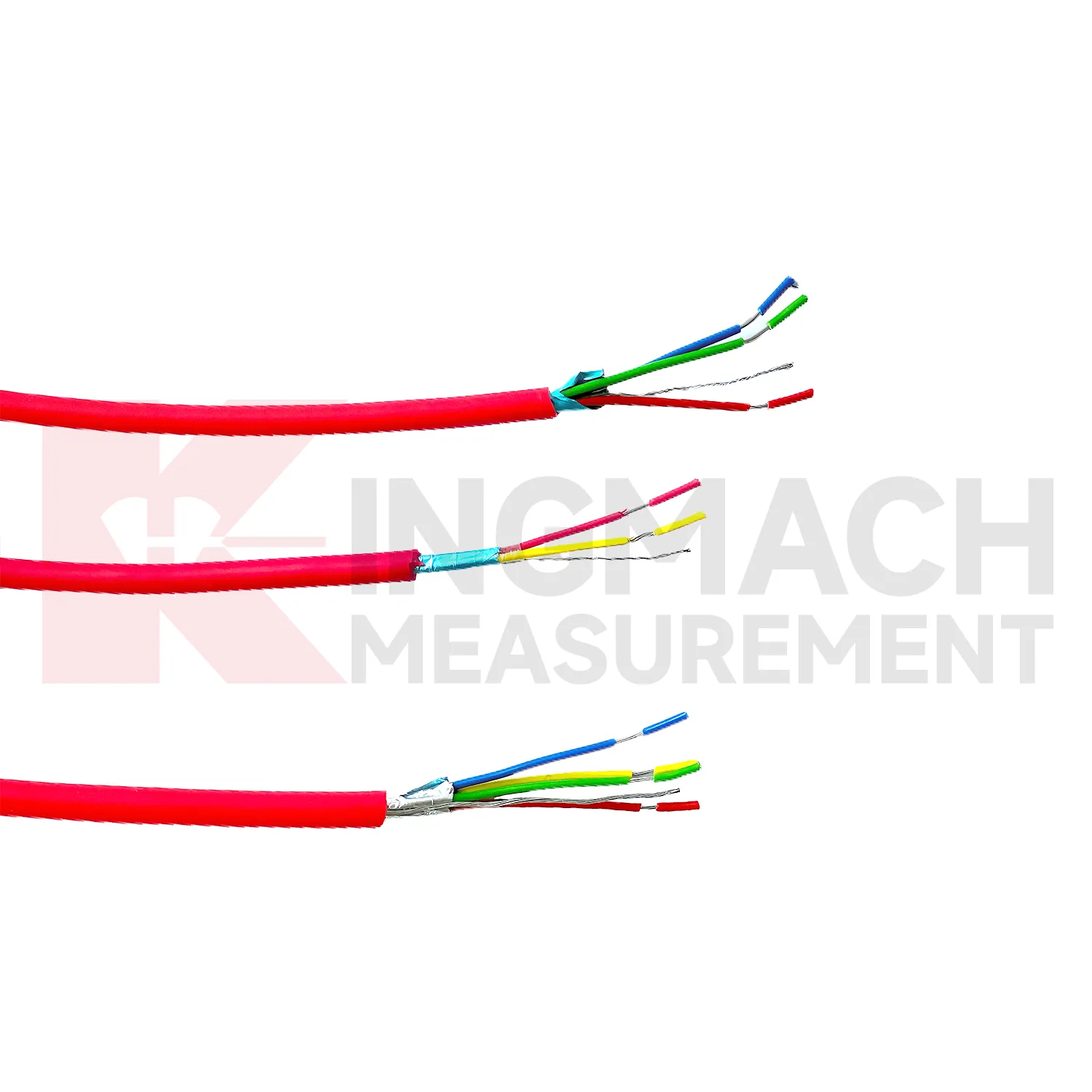
Application of Signal Cables
Tunnel projects use Kingmach Signal Cables where sensor routes may run along walls, through cabinets, across wet sections, or near construction equipment. During excavation, lining monitoring, or operation, cable routes can face dust, vibration, dripping water, and accidental pulling. JMZX-XPX supports stable signal transmission for precise sensor readings in noisy areas, while JMZX-XSX helps in damp or water-affected sections. Proper route fixation and end sealing reduce intermittent faults that may otherwise appear as lining movement, deformation, or instrument failure.
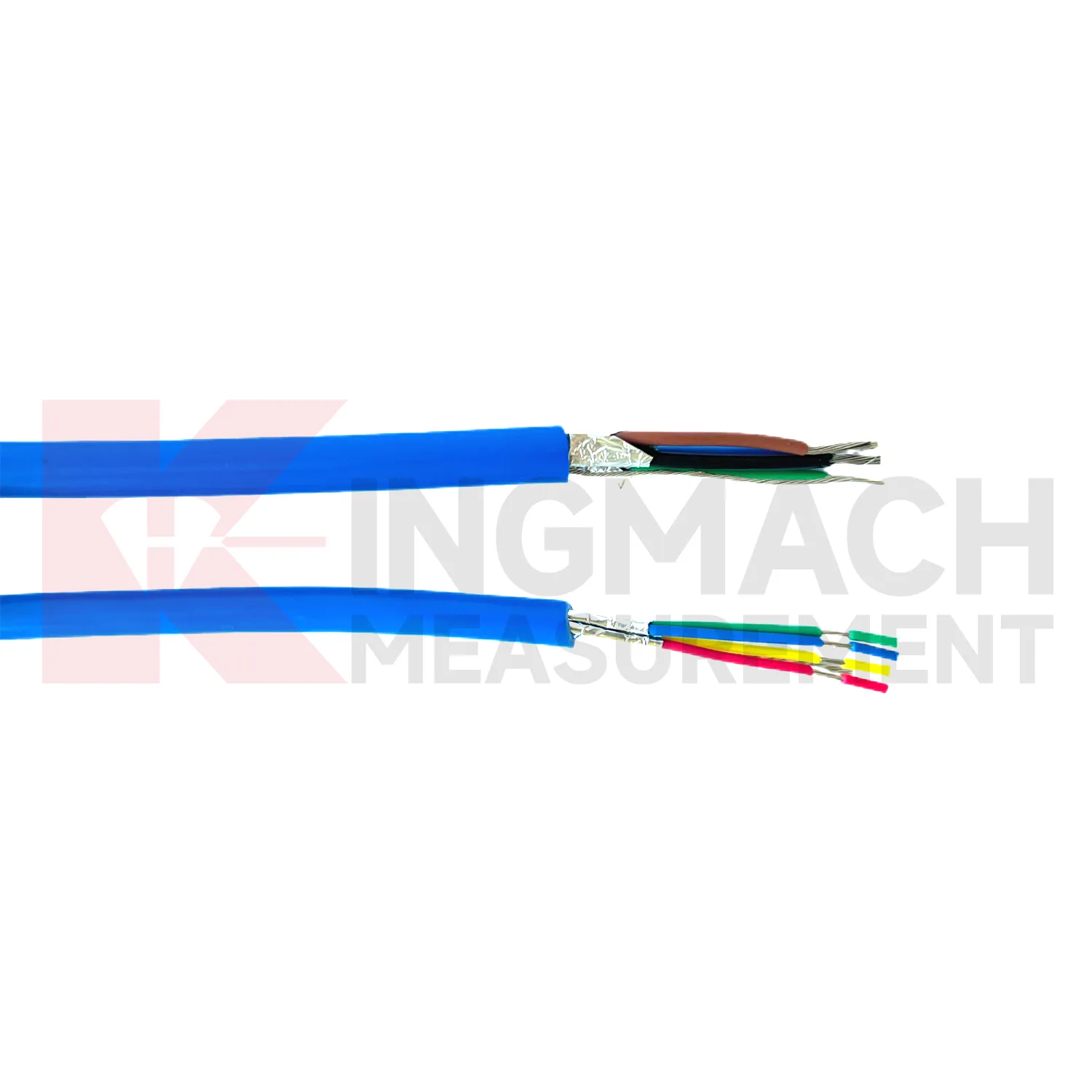
The future of Signal Cables
Longer monitoring cycles will raise expectations for Kingmach Signal Cables. Owners increasingly want instruments to remain in place for years, often through weather, construction phases, inspections, and equipment upgrades. Cables will need to resist water, wear, interference, and handling while remaining easy to identify. Future maintenance plans may include scheduled cable insulation checks, connector sealing reviews, and route photo updates. These actions will help protect data continuity across long asset lifetimes.
Care & Maintenance of Signal Cables
Keep a maintenance history for Kingmach Signal Cables that includes route photos, repair dates, connector changes, cabinet work, water exposure, and any site activity near the cable. This history is useful when engineers review long-term data trends. A sudden change may come from a structural event, but it may also follow a cable repair, moved conduit, wet junction box, or changed channel assignment. Good records let the team separate those possibilities without repeated site visits.
Kingmach Signal Cables
Kingmach Signal Cables are important because many monitoring faults first appear as small connection problems rather than sensor damage. A loose connector, wet cable end, crushed sheath, or cable running beside strong electrical equipment can create readings that look like structural movement. Shielded and sealed cable construction helps reduce that risk when paired with careful routing and cabinet work. The product category covers test-specific shielded wires and hydraulic cables made for anti-interference, waterproof, moisture-proof, and wear-resistant service. In long-term structural health monitoring, this protects the credibility of strain, load, displacement, settlement, tilt, water level, vibration, and environmental records.
FAQ
Q: What should be confirmed before placing an order?
A: Confirm project quantity, required core format, expected delivery length, packaging demand, payment terms, and receiving schedule.
Q: What minimum order quantity is shown?
A: The local product pages list a minimum order quantity of one piece.
Q: How is pricing handled?
A: Pricing is listed as negotiable, so the buyer should confirm quantity, model, packaging, and project delivery details with Kingmach.
Q: What delivery term appears in the local files?
A: Shipment is listed within 30 days after full payment receipt, subject to the order and project arrangement.
Q: What certifications are shown?
A: The product information lists ISO9001, ISO14001, and ISO45001 certification for Kingmach.
Reviews
Robert Taylor
The weir flow meter is well-built and delivers accurate measurements. Great value for water management applications.
Ryan Lewis
Fast delivery and excellent product quality. The accelerometers and tiltmeters are highly reliable. Strongly recommend this company.
Latest Inquiries
To protect the privacy of our buyers, only public service email domains like Gmail, Yahoo, and MSN will be displayed. Additionally, only a limited portion of the inquiry content will be shown.
Harper***@gmail.comIndia
Dear Sir, we are planning to procure a complete monitoring system including strain gauges, tiltmeter...
Olivia***@gmail.comUnited States
Hello, we are currently sourcing high-precision strain gauges and load cells for a bridge monitoring...
Related product categories
- Hydraulic cable
- Instrumentation Cables
- Sensor Cables
- Twisted Pair Shielded Test Cable
- Doublelayer Shielded Test Cable
- Triplelayer Shielded Test Cable
- Singlelayer Shielded Test Cable
- Multicore Shielded Test Cable
- 2core / 4core / 6core / 8core Hydrological Cable
- Corrosionresistant Hydrological Cable
- Shielded Hydrological Cable
- Multicore Hydrological Cable