
 EN
EN
 ar
ar bg
bg hr
hr cs
cs da
da nl
nl fi
fi fr
fr de
de el
el hi
hi it
it ko
ko no
no pl
pl pt
pt ro
ro ru
ru es
es sv
sv tl
tl iw
iw id
id lv
lv lt
lt sr
sr sk
sk sl
sl uk
uk vi
vi et
et hu
hu th
th tr
tr fa
fa ms
ms hy
hy ka
ka ur
ur bn
bn mn
mn ta
ta kk
kk uz
uz ku
ku
single axis accelerometer
Three-direction acceleration measurement is useful when motion may occur in more than one direction. Kingmach acceleration equipment can support structural vibration, impact and blasting monitoring, cable tension review, earthquake and collapse monitoring, and dynamic work in bridges, railways, vehicles, ships, machinery, metallurgy, construction, and transportation. The value is not simply that three channels are recorded; the value is that engineers can see whether the structure moves vertically, laterally, longitudinally, or as a combined response. That helps when a vibration source is uncertain or when direction affects diagnosis, comfort, safety, or maintenance planning. The review should keep each axis label clear and should avoid mixing channel names during platform setup. Directional clarity is one of the simplest ways to make dynamic records easier to trust over time.
Long-term monitoring benefits from repeatable procedure. When the same point, direction, event definition, and analysis method are preserved, new vibration records can be compared with earlier records in a defensible way.
The report should not leave the waveform isolated. It should explain what the asset was doing, why the point was measured, which event triggered interest, and what follow-up action or observation was made.
Dynamic data can be sensitive to small field changes. A new bracket, nearby machine, temporary work platform, changed cable route, or software update can alter the record, so those changes belong in the maintenance history.
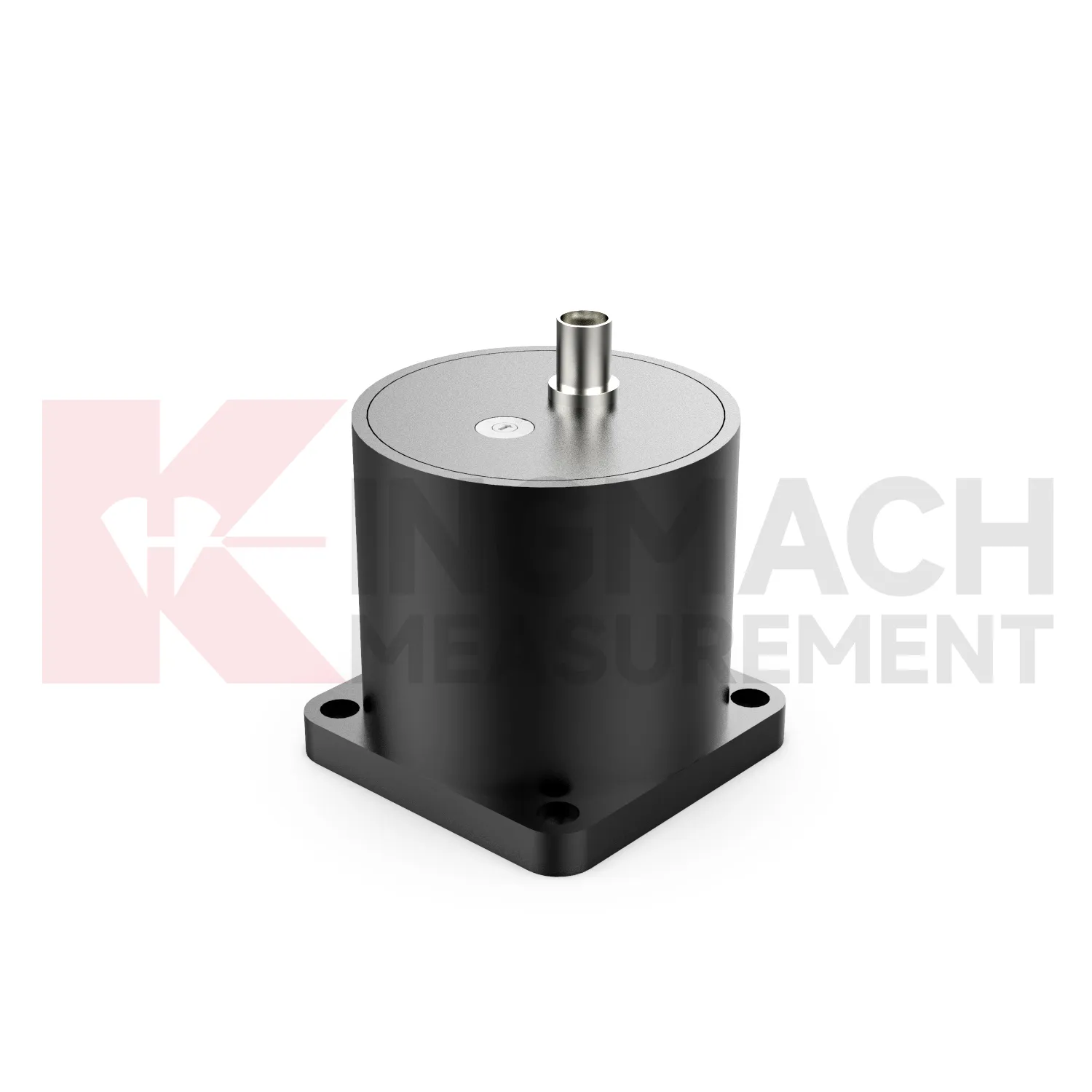
Application of single axis accelerometer
Machinery and industrial structures use Kingmach single axis accelerometer to record motion from rotating equipment, impact work, production lines, foundations, and support frames. The goal may be comfort, safety, fatigue review, machine condition, or structural response. A sensor should be mounted on a surface that carries the actual vibration, not on a loose cover or secondary panel. The record should note machine state, speed setting, operating cycle, and any maintenance event. Acceleration data is most useful when the engineer can compare normal operation with a changed vibration pattern. If the record is reviewed with noise, temperature, load, and maintenance notes, it can help identify whether a change came from the machine, its foundation, or the surrounding structure.
Industrial monitoring also needs a clear operating baseline. A production line during start-up, steady operation, shutdown, or maintenance may produce different motion. The report should say which condition was measured so a later change is not confused with a normal operating phase.
For machinery foundations, the sensor position should avoid covers, handrails, and panels that vibrate differently from the base. If maintenance changes the machine alignment, support, or operating speed, that note belongs beside the next vibration record.
Repeated measurements should use comparable operating conditions whenever possible. If the plant changes process speed, adds equipment, repairs a foundation, or changes nearby supports, the vibration trend should be reviewed with that history before any judgment is made.
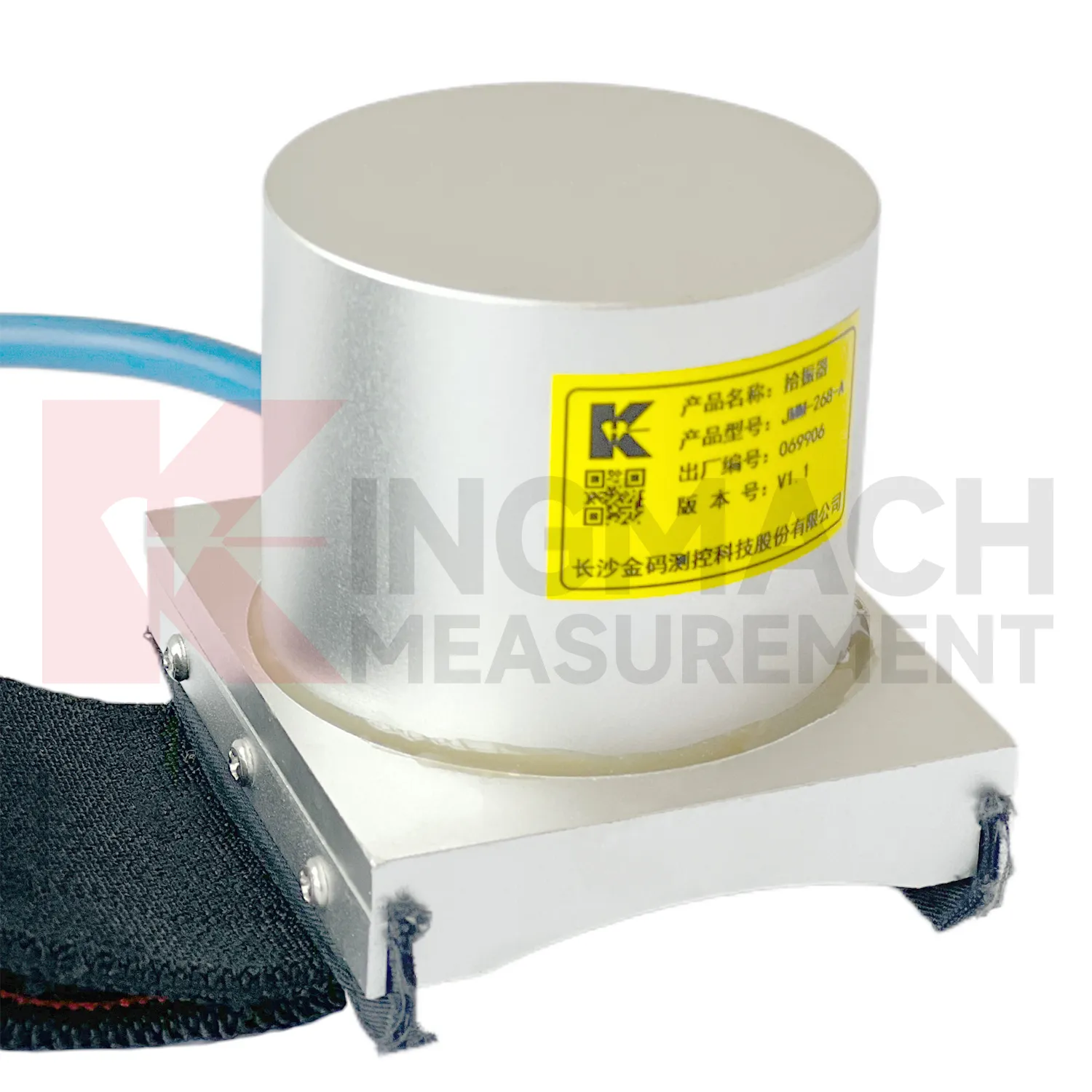
The future of single axis accelerometer
Future Kingmach single axis accelerometer projects will connect dynamic records with other sensor layers. Acceleration should be reviewed beside strain, displacement, tilt, load, settlement, wind, temperature, and inspection notes. A vibration alarm means more when the engineer can see whether the structure also deflected, tilted, or experienced a known wind or traffic condition. This kind of data fusion will reduce false concern and help teams notice linked behavior. The sensor remains important, but the real gain comes from seeing the motion in context. Future platforms should make that context easy to view without hiding the raw record that engineers may need for detailed review.
Long-term monitoring benefits from repeatable procedure. When the same point, direction, event definition, and analysis method are preserved, new vibration records can be compared with earlier records in a defensible way.
The report should not leave the waveform isolated. It should explain what the asset was doing, why the point was measured, which event triggered interest, and what follow-up action or observation was made.
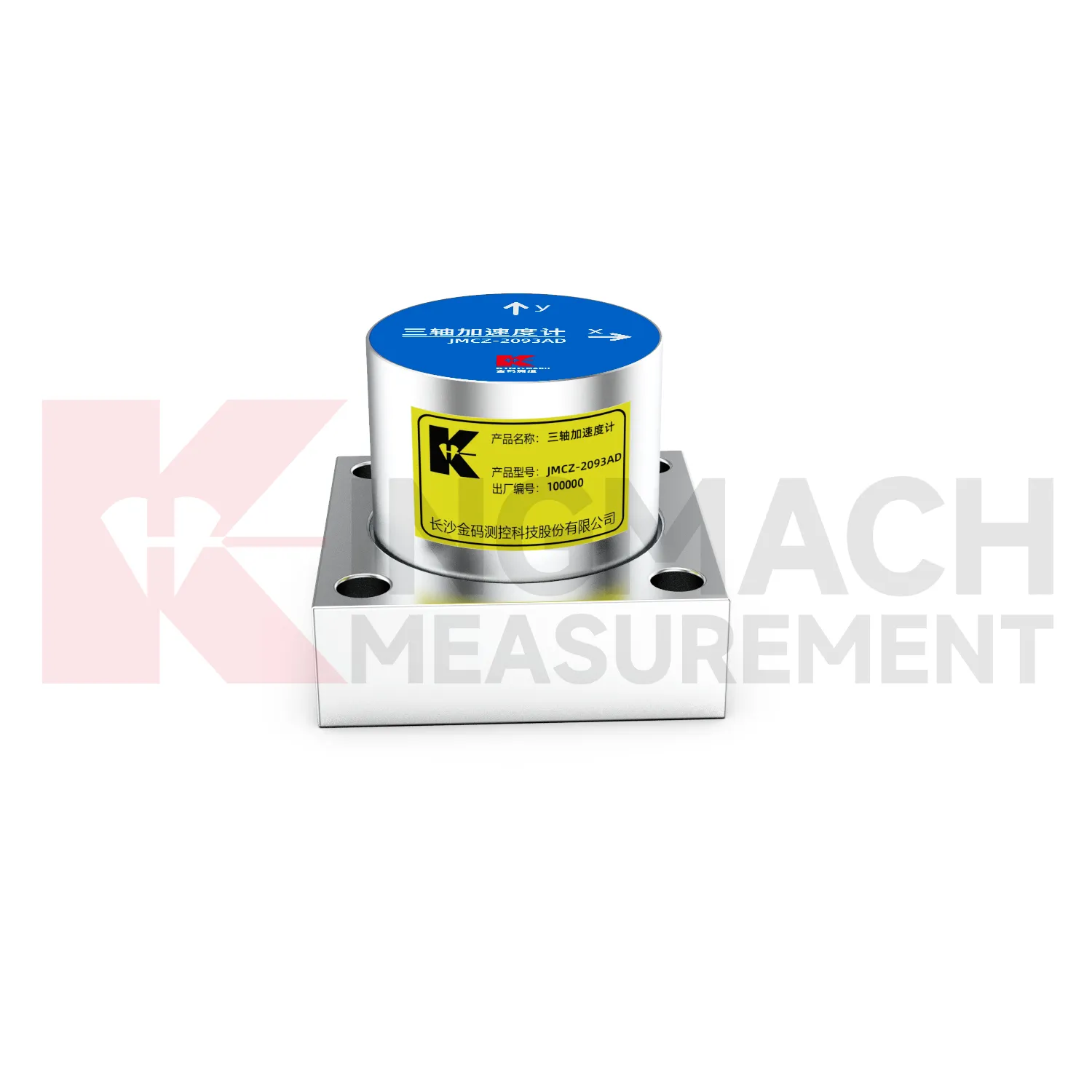
Care & Maintenance of single axis accelerometer
Acquisition settings for Kingmach single axis accelerometer should be checked after commissioning and after any platform change. Dynamic monitoring depends on timing, event capture, channel naming, and storage behavior. If the system records too slowly, a short event may be missed. If it stores too little context, the waveform may be hard to interpret. Keep a record of sampling plan, event trigger, analysis method, and related channels. After software updates or cabinet work, run a controlled check so the team knows the system is still capturing motion correctly. Acquisition care protects the investment made in the field installation.
Weak-vibration review should include nearby walking, wind, traffic, equipment start-up, and construction activity because these sources can influence the trace. People walking nearby, wind, traffic, equipment start-up, and construction work can all influence the trace, so the field note should capture what was happening around the point.
For high-risk assets, inspection timing should follow events as well as calendar dates. After impact, blasting, severe weather, unusual vibration, or equipment maintenance, the sensor and the data path both deserve a quick check.
Kingmach single axis accelerometer
Kingmach single axis accelerometer makes dynamic monitoring practical when acceleration data is connected with the engineering question. The record can help users review bridge vibration, building response, tunnel events, railway effects, machinery behavior, and seismic movement without turning the page into a model list. Buyers need to see how motion becomes evidence: where the sensor is mounted, which axis is reviewed, what event is being captured, and how the waveform supports inspection or maintenance. This product category works best when the page explains the relationship between motion, measurement, and engineering action. That same logic carries from purchase to installation to report review.
For owner handover, the file can include point photos, axis labels, acquisition settings, related structural channels, and examples of normal behavior. That helps future reviewers understand whether a later event is unusual.
Weak-vibration review should include nearby walking, wind, traffic, equipment start-up, and construction activity because these sources can influence the trace.
FAQ
Q: How should a sensor position be selected?
A: Place it where the structure actually moves and where the record answers a clear engineering question.
Q: Why is mounting important?
A: Loose mounting can create a false vibration signal, so the sensor must be fixed to a stable surface.
Q: Why does axis direction matter?
A: The waveform only has meaning when reviewers know whether it represents vertical, lateral, longitudinal, or multi-direction motion.
Q:What should be recorded at installation?
A: Record point name, mounting face, axis direction, cable route, acquisition channel, first test record, and photos.
Q: Can sensors be moved after installation?
A: They can, but the move date, reason, new position, and new baseline test should remain visible in the record.
If the reading changes suddenly, the first check should include the sensor attachment, cable route, connector, channel name, and recent field activity. This prevents a maintenance issue from being mistaken for structural behavior.
Reviews
Daniel Brown
Excellent environmental monitoring sensors. The data is consistent, and the system integrates smoothly with our existing setup.
Matthew Garcia
Instrumentation cables are durable and perform well even in harsh environments. Will definitely order again.
Latest Inquiries
To protect the privacy of our buyers, only public service email domains like Gmail, Yahoo, and MSN will be displayed. Additionally, only a limited portion of the inquiry content will be shown.
Ava***@gmail.comAustralia
Hi, I am looking for reliable tiltmeters and accelerometers for structural health monitoring. Please...
Isabella***@gmail.comGermany
Hello, we are evaluating weir flow meters for a water management project. Please share accuracy deta...
Related product categories
- single axis accelerometer sensor
- 3 axes accelerometer
- wireless accelerometers
- high sensitivity accelerometer
- mems accelerometer working principle
- accelerometer purchase
- accelerometers for sale
- buy accelerometer
- accelerometer cable
- accelerometer data acquisition
- accelerometer for vibration measurement
- vibration accelerometer