
 EN
EN
 ar
ar bg
bg hr
hr cs
cs da
da nl
nl fi
fi fr
fr de
de el
el hi
hi it
it ko
ko no
no pl
pl pt
pt ro
ro ru
ru es
es sv
sv tl
tl iw
iw id
id lv
lv lt
lt sr
sr sk
sk sl
sl uk
uk vi
vi et
et hu
hu th
th tr
tr fa
fa ms
ms hy
hy ka
ka ur
ur bn
bn mn
mn ta
ta kk
kk uz
uz ku
ku
three axis accelerometer sensor
Kingmach three axis accelerometer sensor fits a complete dynamic monitoring workflow. The work starts with the structural question, then continues through mounting position, axis direction, cable route, acquisition settings, event naming, analysis method, and report review. Product pages may mention compact design, sealing, anti-interference, low-frequency performance, wide dynamic behavior, and compatibility with dynamic testing systems, but those features are useful only when they support the field task. Buyers can understand where the sensor goes, what motion it captures, and how that motion becomes a decision. The same principle guides installation: every point needs a purpose, every event needs a name, and every report needs to connect the waveform to the monitored asset.
For field teams, the record is strongest when the waveform is tied to a named event and a known physical point. The note can state what was operating, what changed on site, whether other instruments reacted, and whether the motion repeated under similar conditions.
A useful dynamic record needs both signal quality and site context. Mounting condition, axis direction, cable stability, acquisition timing, and event labeling all affect whether the data can support an engineering decision after review.
During interpretation, the team can compare the motion with nearby strain, displacement, tilt, load, wind, temperature, traffic, machinery, or construction notes. That wider view helps separate normal response from a pattern that needs inspection.
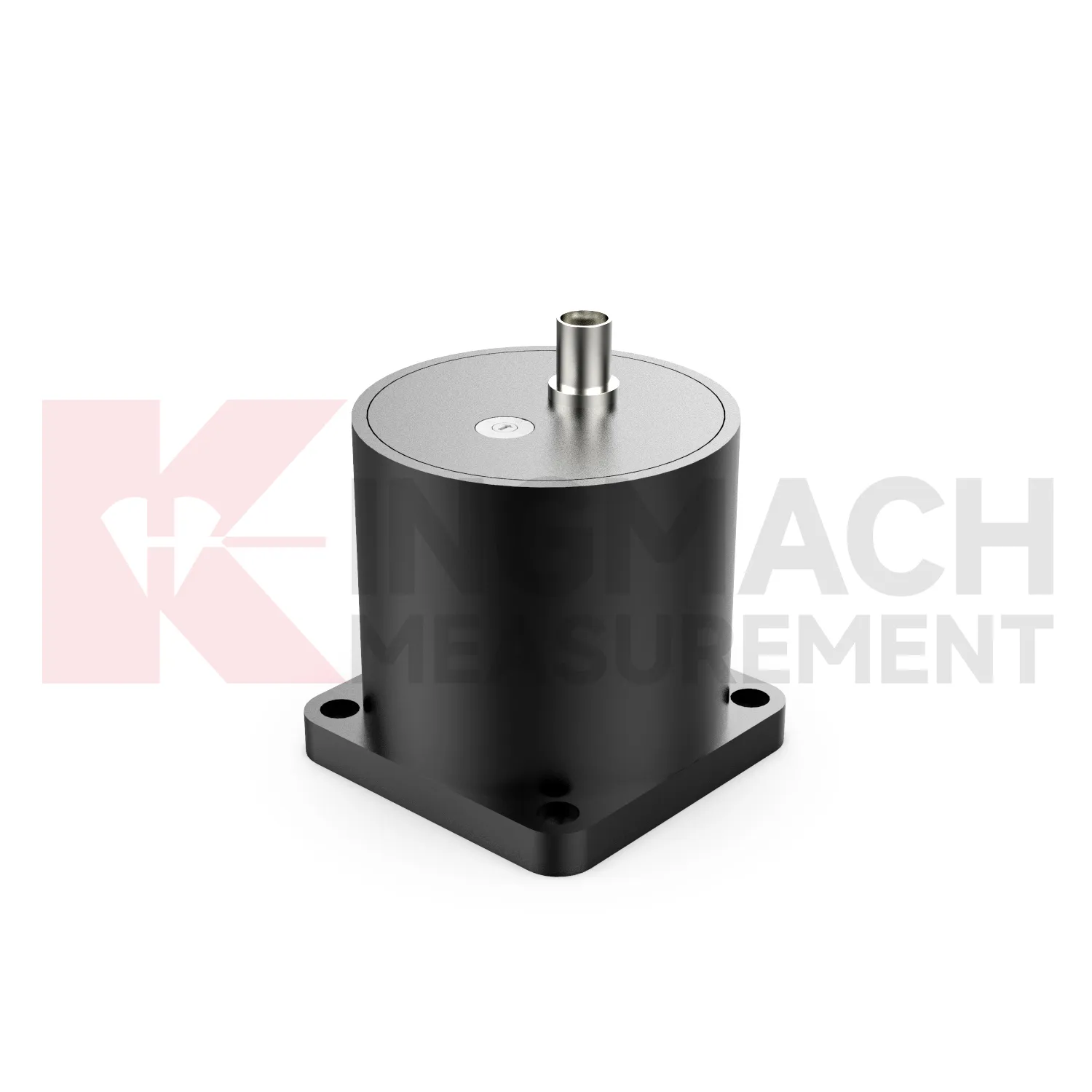
Application of three axis accelerometer sensor
Railway projects use Kingmach three axis accelerometer sensor to study vibration from train passage, track structure response, bridge sections, station buildings, and nearby sensitive structures. The data can help separate normal operational vibration from unusual behavior caused by foundation change, structural looseness, or construction disturbance. Monitoring should identify the track side, structural location, axis direction, and train or work event related to the record. Acceleration results are stronger when reviewed with settlement, displacement, temperature, and inspection records. This keeps dynamic monitoring connected to maintenance and service decisions. A repeated vibration pattern during regular operation may become the baseline, while a new pattern after work or weather may trigger closer review.
Railway records should preserve operating context in a way that bridge or building records may not need. Train type, passing direction, speed condition, maintenance window, nearby track work, and station activity can all influence the signal. If these details are missing, a vibration curve may be technically complete but difficult to explain.
For long corridors, point naming is especially important. A useful railway report should show chainage, line side, structure type, sensor direction, and the event being reviewed. That lets maintenance teams compare one section with another and decide whether the response is local, repeated, or connected to a broader service condition.
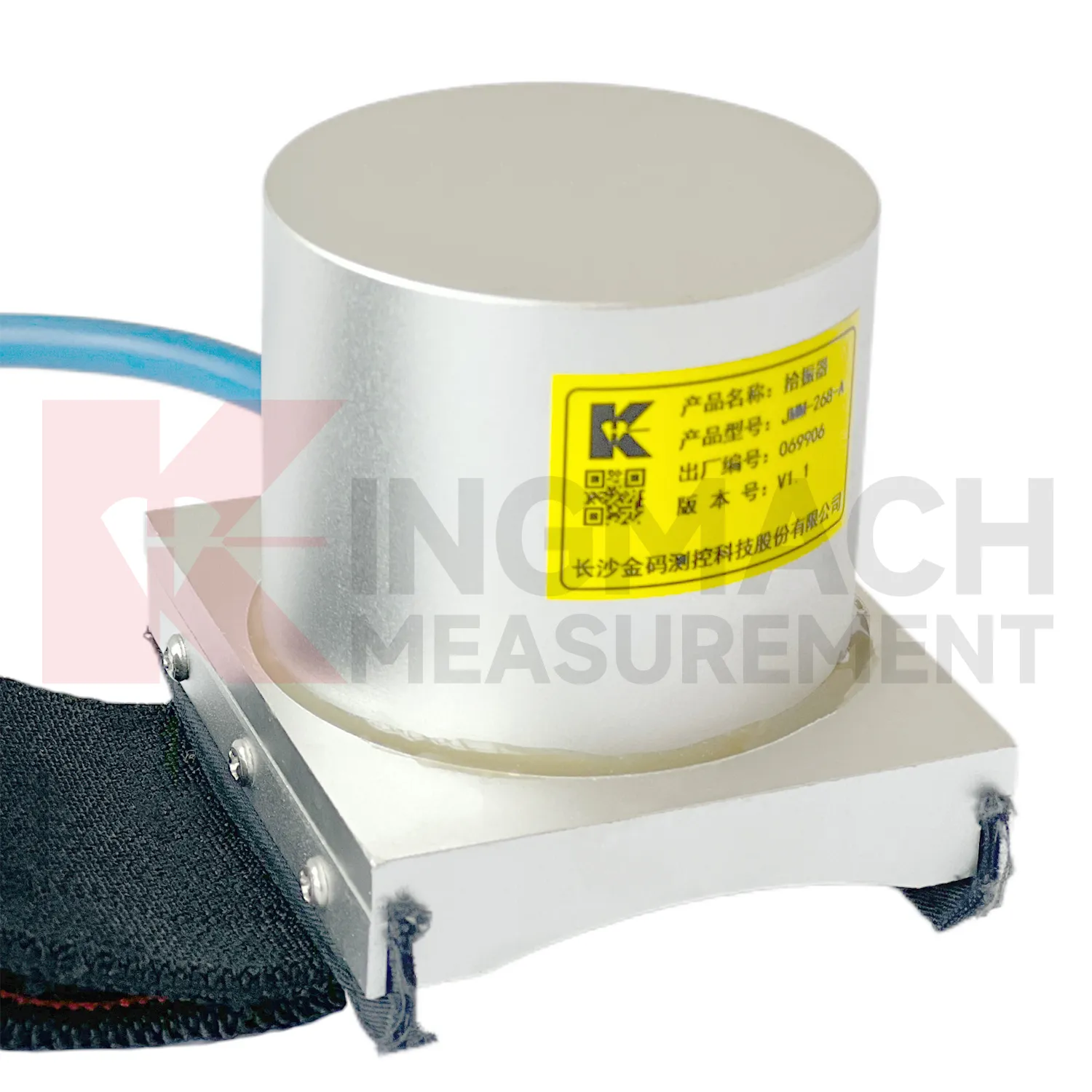
The future of three axis accelerometer sensor
Future Kingmach three axis accelerometer sensor will support more disciplined cable force monitoring. Vibration-based cable review depends on correct measurement position, cable identity, boundary assumptions, and calculation settings. Future reports should connect the vibration curve, frequency result, cable information, and maintenance decision in one place. That will make cable review easier to audit and compare over time. For bridge owners, the value is not simply a sensor reading; it is a repeatable method for tracking cable behavior through service life. Clear records will also help teams understand when a change comes from adjustment, temperature, traffic, or true cable-condition variation.
For field teams, the record is strongest when the waveform is tied to a named event and a known physical point. The note should state what was operating, what changed on site, whether other instruments reacted, and whether the motion repeated under similar conditions.
A useful dynamic record needs both signal quality and site context. Mounting condition, axis direction, cable stability, acquisition timing, and event labeling all affect whether the data can support an engineering decision after review.
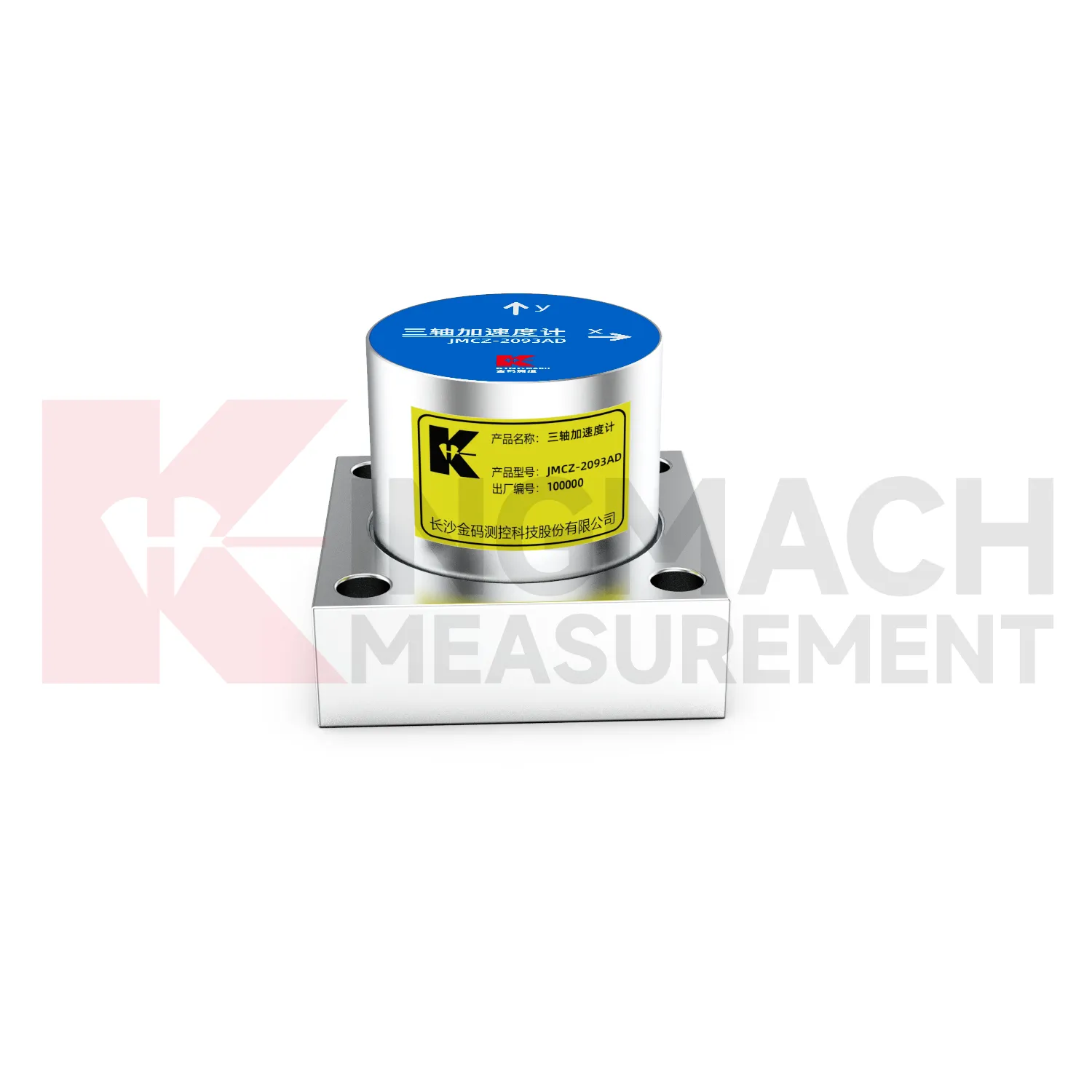
Care & Maintenance of three axis accelerometer sensor
Data review is part of maintaining Kingmach three axis accelerometer sensor. Look for impossible jumps, flatlines, clipping, repeated noise, missing events, or disagreement between nearby sensors. Compare acceleration records with strain, displacement, tilt, wind, traffic, machinery state, or construction logs when possible. A vibration trace should not be judged in isolation. If an alarm appears, first confirm sensor condition, mounting, cable status, event timing, and related records. This disciplined review helps teams separate real structural response from measurement trouble. It also gives maintenance teams a clear path for deciding whether to inspect the point or the asset.
Reviewers should keep a short decision note with abnormal records. The note can state whether the event matched expected operation, whether another sensor confirmed it, whether field inspection was requested, and whether the point itself needed maintenance. That note is often more useful later than a raw curve alone.
For recurring vibration, trend review should compare similar operating conditions rather than unrelated events. A train passage, machine start-up, blast, and wind event should not be mixed into one judgment unless the report explains why they are comparable.
Kingmach three axis accelerometer sensor
Kingmach three axis accelerometer sensor can help distinguish vibration source from vibration effect. A building may shake because of equipment, traffic, construction, wind, or foundation interaction. A bridge may respond to cable vibration, deck movement, pedestrian load, or vehicle flow. A tunnel may show different motion during excavation than during operation. Acceleration records help compare these possibilities when they are reviewed with location, direction, frequency content, and related instruments. The goal is to understand what caused the motion and whether it affects safety, comfort, maintenance, or long-term performance. A good dynamic record narrows the question instead of simply adding another graph.
A useful dynamic record needs both signal quality and site context. Mounting condition, axis direction, cable stability, acquisition timing, and event labeling all affect whether the data can support an engineering decision after review.
During interpretation, the team should compare the motion with nearby strain, displacement, tilt, load, wind, temperature, traffic, machinery, or construction notes. That wider view helps separate normal response from a pattern that needs inspection.
FAQ
Q: What are Kingmach three axis accelerometer sensor used for?
A: They are used to record acceleration and vibration behavior so engineers can review structural motion, frequency response, impact events, ground motion, and cable vibration.
Q: Where are they commonly applied?
A: They are used in bridges, buildings, tunnels, railways, machinery areas, ground-motion stations, wind towers, and construction vibration monitoring.
Q: Why not rely only on visual inspection?
A: Many dynamic problems happen too quickly or too subtly to see, while acceleration records preserve timing, direction, and frequency information.
Q: Can acceleration data support cable force review?
A: Yes, when the vibration measurement and calculation method are configured correctly for the cable being tested.
Q: Should acceleration data be reviewed alone?
A: No. It is stronger when compared with strain, displacement, tilt, load, environmental records, and inspection notes.
During interpretation, the team should compare the motion with nearby strain, displacement, tilt, load, wind, temperature, traffic, machinery, or construction notes. That wider view helps separate normal response from a pattern that needs inspection.
Reviews
Michael Anderson
The strain gauges and load cells are extremely accurate and stable. They performed very well in our bridge monitoring project. Highly recommended!
Christopher Martinez
Very satisfied with the readouts & data loggers. User-friendly interface and supports multiple sensor inputs.
Latest Inquiries
To protect the privacy of our buyers, only public service email domains like Gmail, Yahoo, and MSN will be displayed. Additionally, only a limited portion of the inquiry content will be shown.
Isabella***@gmail.comGermany
Hello, we are evaluating weir flow meters for a water management project. Please share accuracy deta...
Sophia***@gmail.comUnited Kingdom
Good day, we need environmental monitoring sensors including temperature, humidity, and wind sensors...
Related product categories
- piezo accelerometer
- mems accelerometers
- triaxial accelerometer sensor
- lateral accelerometer sensor
- three axis accelerometer
- three axis accelerometer sensor
- wireless accelerometer
- 3 axial accelerometer
- accelerometer vibration sensor
- piezoelectric accelerometers
- tri axis accelerometer
- piezo electric accelerometer