
 EN
EN
 ar
ar bg
bg hr
hr cs
cs da
da nl
nl fi
fi fr
fr de
de el
el hi
hi it
it ko
ko no
no pl
pl pt
pt ro
ro ru
ru es
es sv
sv tl
tl iw
iw id
id lv
lv lt
lt sr
sr sk
sk sl
sl uk
uk vi
vi et
et hu
hu th
th tr
tr fa
fa ms
ms hy
hy ka
ka ur
ur bn
bn mn
mn ta
ta kk
kk uz
uz ku
ku
Vibration Sensor
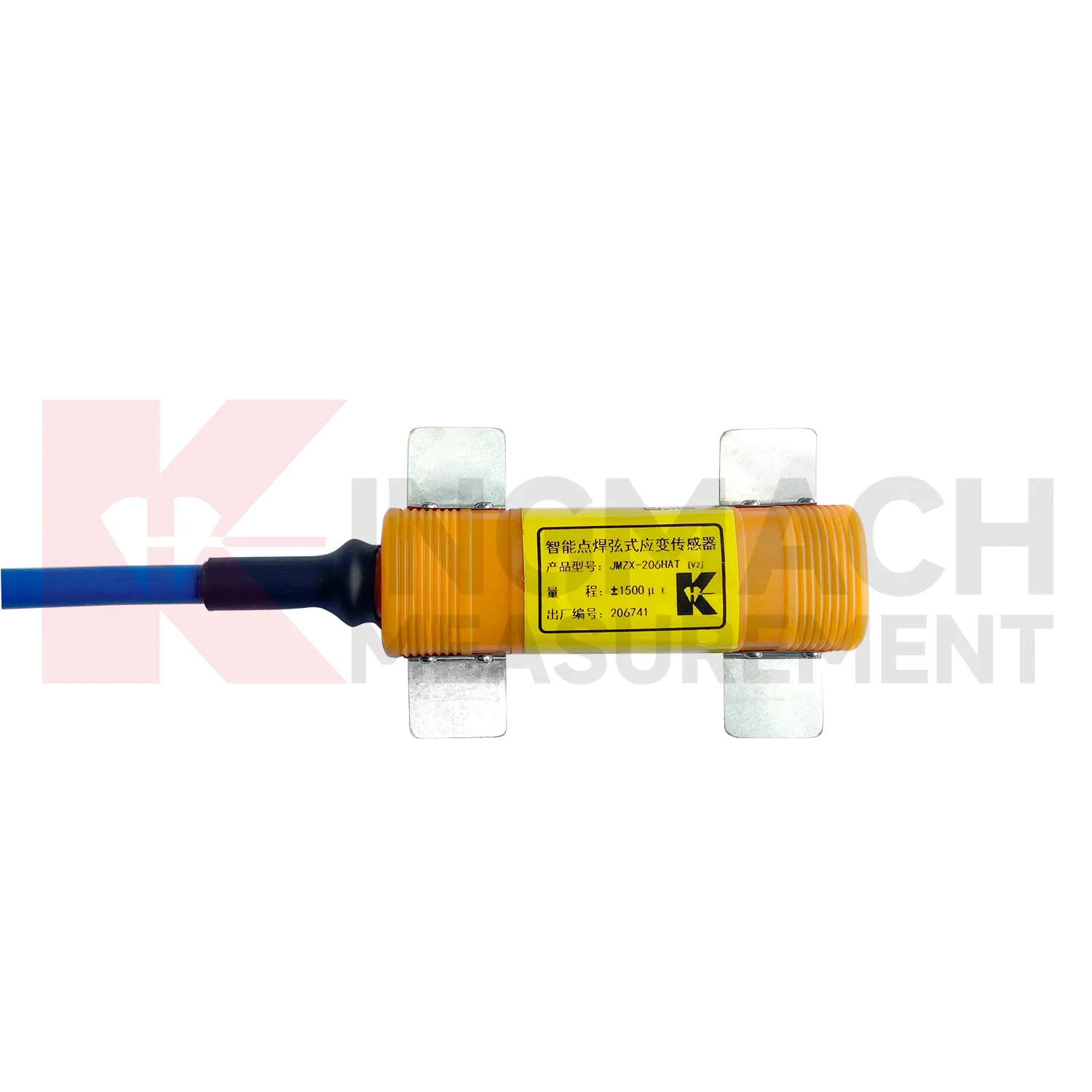
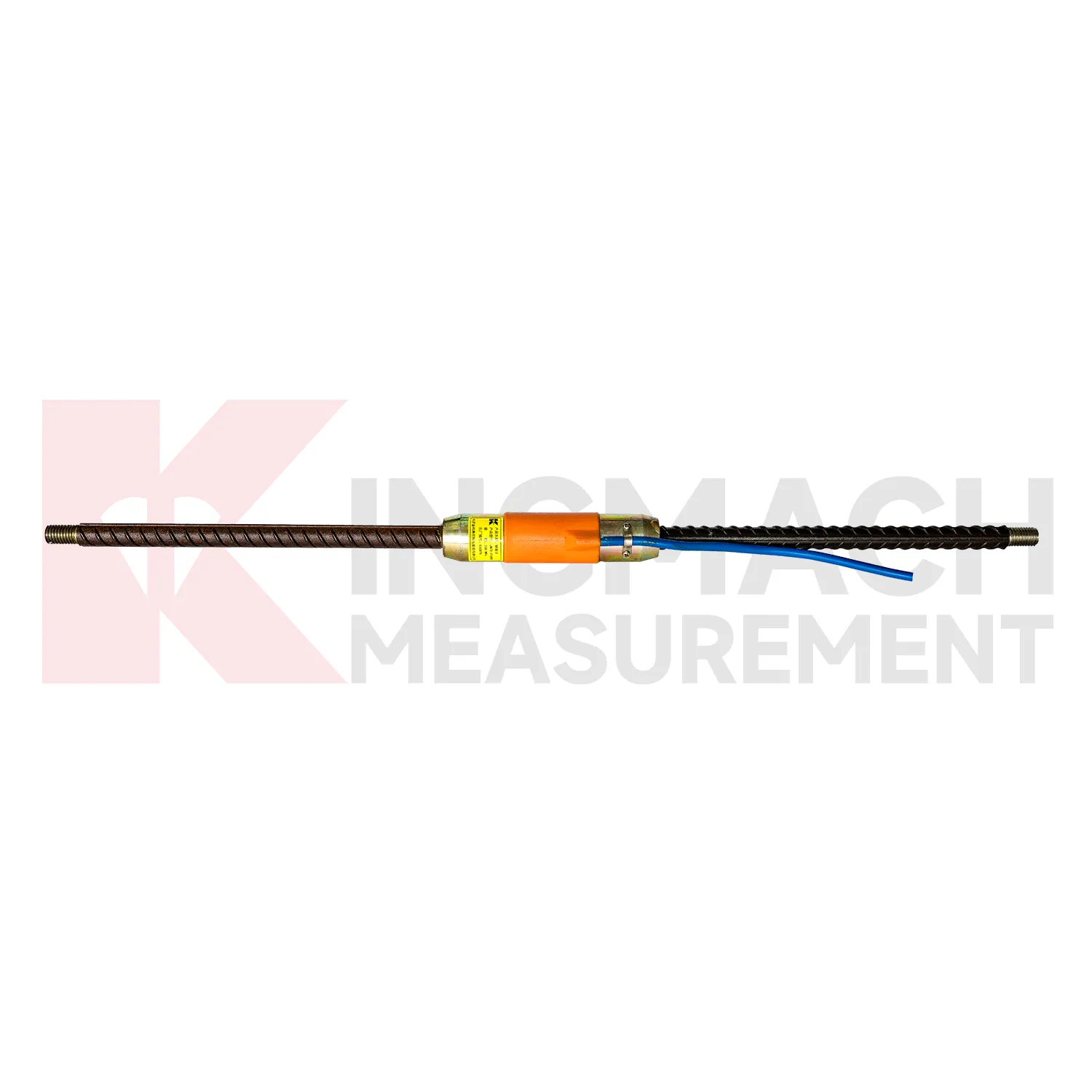
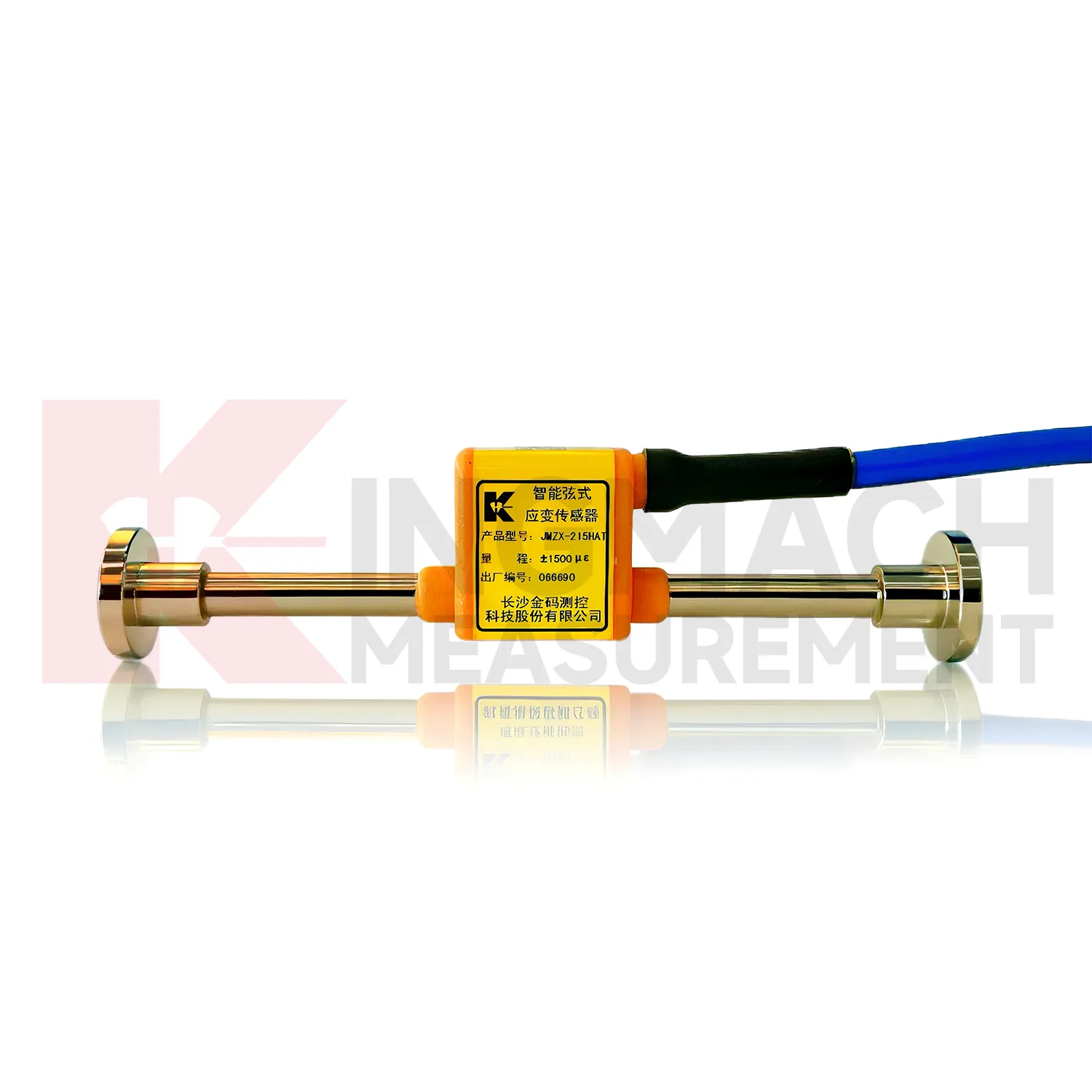
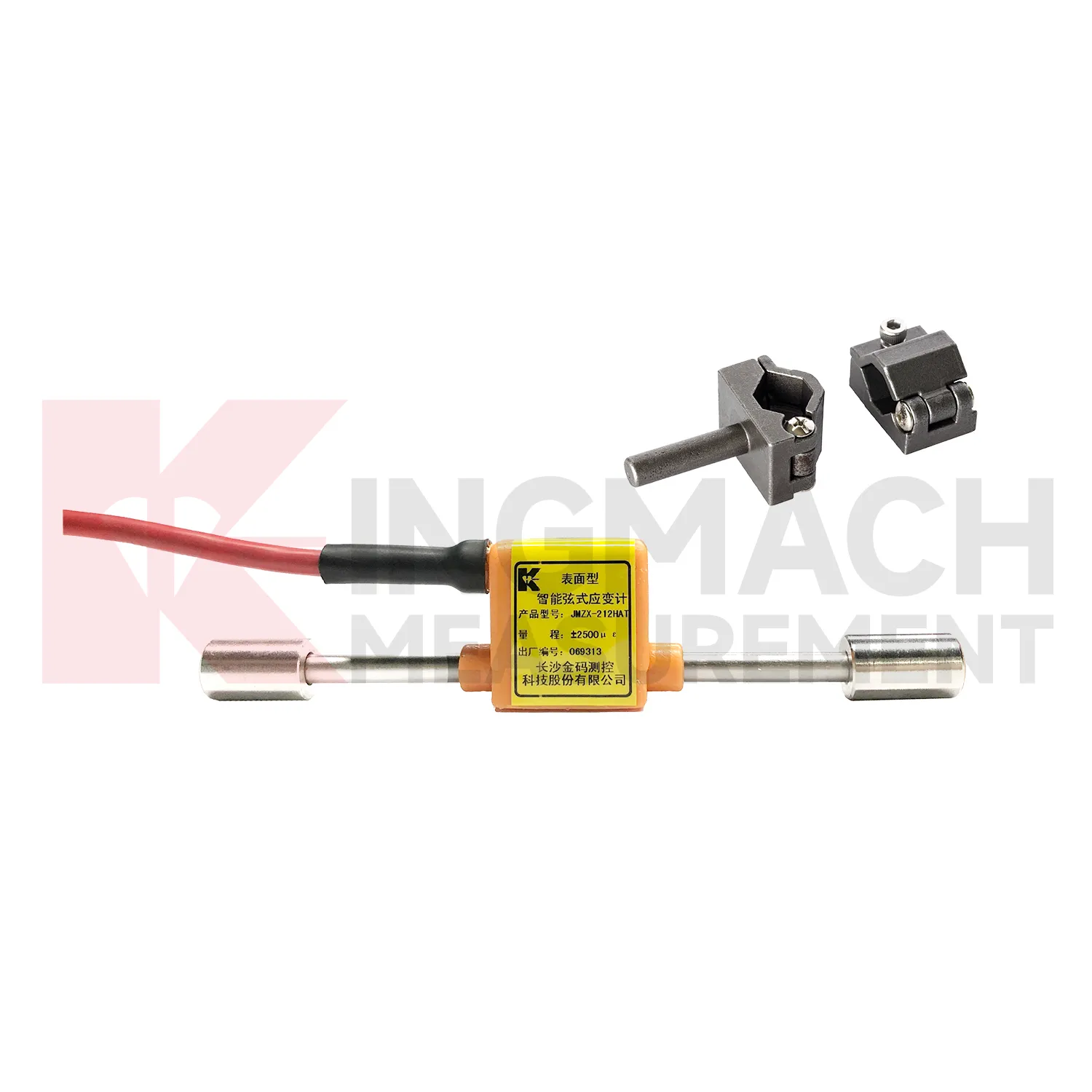
When buyers compare {keyword}, they often look for accuracy, range, waterproofing, installation method, and data output. Kingmach's strain gauge range answers those points with models for surface mounting, embedment, welded steel surfaces, and rebar stress measurement. The JMZX-212HAT/HB surface model reaches ±2500 microstrain with 0.5%F.S. accuracy and 0.1 microstrain resolution. The JMZX-215HA/215HAT/HB embedded model is designed for concrete internal strain and uses a lightweight, high sensitivity structure that can observe shrinkage and creep during early concrete setting. The JMZX-4XXHAT/HB rebar strainmeter covers -200 MPa to 350 MPa with 2 MPa waterproof performance. These specifications help engineers match product form to the monitoring point, whether the concern is steel surface stress, concrete internal strain, reinforcement stress, or automated long term data collection. These parameters help engineers avoid overgeneral selection. A surface model, embedded model, welded model, and rebar strainmeter solve different installation problems, so the final decision should consider material, access, concrete stage, steel surface condition, and expected service life. For field teams, those details also shape installation tools, spare cable length, readout selection, and protection work. They also help the owner decide whether manual reading, scheduled logging, or unattended monitoring is the better operating method.
Application of Vibration Sensor
In tunnel engineering, {keyword} helps monitor lining stress, segment response, support force, and strain changes caused by excavation, ground pressure, water pressure, or nearby construction. Tunnel monitoring often faces damp air, dust, limited access, and long cable runs. Kingmach embedded strain gauges such as JMZX-215HA/215HAT/HB are installed on rebar or brackets before concrete pouring and provide a ±1500 microstrain range, 0.5%F.S. precision, and 0.1 microstrain resolution. The sealed stainless steel structure has waterproof durability up to 150 meters, which is useful for wet underground conditions. For steel supports or pipes, the JMZX-206HAT welded model can be used on a polished steel surface. The strain record helps engineers judge lining load, support behavior, concrete creep, and whether ground movement is changing the stress path. For this scene, the listed range and resolution help engineers see small changes before they become visible damage. The waterproof and anti interference features also matter because construction sites rarely provide clean laboratory conditions. The same record can support staged construction control, post event inspection, and long term maintenance planning. When data is collected automatically, engineers can compare daily movement instead of relying on occasional manual readings. This gives the project team a better way to separate normal behavior from a change that needs inspection.
The future of Vibration Sensor
In building and underground projects, {keyword} will become more closely tied to construction stage control. Excavation, concrete pouring, temporary support removal, and equipment installation all change strain behavior. Kingmach embedded gauges, rebar strainmeters, and welded gauges can feed readings into automated systems during each stage. Future platforms may connect those readings with BIM models or digital twin views, so engineers can see which member, brace, lining, or reinforcement cage is changing. This is where AI warning analysis can help, provided it uses site events and nearby sensor data rather than a blind alarm threshold. The product direction is clear: more context, better records, and faster field decisions. Digital twin adoption will also increase demand for strain readings that are tied to exact structural locations, not vague channel names or disconnected spreadsheets. The strongest gains will come from cleaner records and faster fault checks. Those improvements fit long term infrastructure monitoring better than one time testing.
Care & Maintenance of Vibration Sensor
Calibration and documentation keep {keyword} useful after the installation crew has left. Record the model, serial number, calibration coefficients, range, accuracy, installation position, cable route, data logger channel, and photos. The JMZX-206HAT welded model includes an embedded memory chip that stores model data, serial number, calibration coefficients, and up to 800 measurement records, but project files should still keep their own copy. During long term use, schedule periodic data review and calibration checks according to project requirements, especially before load tests or major maintenance work. If a reading changes sharply, compare it with nearby sensors, visual inspection notes, and recent site activity before making a repair decision. If the site has heavy vibration, water inflow, corrosion, or frequent repair work, inspection intervals should be shortened and any affected channels should be flagged in the monitoring log. Keep these checks in the project log. Review the channel after major site work.
Kingmach Vibration Sensor
For reinforced concrete work, {keyword} can be installed where the stress path cannot be seen after pouring. Embedded gauges and rebar strainmeters allow engineers to follow internal strain, reinforcement stress, shrinkage, creep, and load transfer inside concrete members. Kingmach's JMZX-215HA/215HAT/HB embedded model is tied to rebar or mounted on brackets before concrete placement, while the JMZX-4XXHAT/HB rebar strainmeter measures stress in reinforcing steel. These instruments are useful in dams, bridges, pile foundations, cut off walls, tunnels, and large buildings. The data helps project teams understand whether the internal structure is carrying load as intended after construction advances. Because the monitoring point is selected around an engineering risk, the reading can support inspection planning, load review, reinforcement work, or acceptance testing. It also gives engineers a cleaner baseline for later comparison. The same data can guide inspection notes and repair timing. Site records matter. That field record supports later inspection.
FAQ
Q: How do I select {keyword} for concrete structures?
A: Use embedded gauges for internal concrete strain, surface gauges for exposed concrete, and rebar strainmeters when reinforcement stress is the main concern.
Q: Which model fits steel structures?
A: JMZX-206HAT is designed for surface welded installation on steel members and covers -1500 to +2500 microstrain.
Q: Can it measure temperature too?
A: Temperature versions can measure the monitoring point temperature, with a thermometer range from -40℃ to +120℃ and ±0.5℃ accuracy on listed models.
Q: What should be checked before installation?
A: Confirm surface preparation, model type, cable route, channel name, acquisition setting, waterproof protection, and calibration data.
Q: Can it connect to automatic data collection?
A: Yes. Kingmach gauges can be paired with comprehensive readouts and automated acquisition systems for unattended measurement.
Reviews
Robert Taylor
The weir flow meter is well-built and delivers accurate measurements. Great value for water management applications.
Ryan Lewis
Fast delivery and excellent product quality. The accelerometers and tiltmeters are highly reliable. Strongly recommend this company.
Latest Inquiries
To protect the privacy of our buyers, only public service email domains like Gmail, Yahoo, and MSN will be displayed. Additionally, only a limited portion of the inquiry content will be shown.
Ava***@gmail.comAustralia
Hi, I am looking for reliable tiltmeters and accelerometers for structural health monitoring. Please...
Evelyn***@gmail.comSouth Africa
Hi, we are a contractor working on tunnel construction and need settlement sensors and displacement ...
Related product categories
- strain sensors manufacturers
- surface strain sensor market
- wholesale strain gauge weight sensor
- strain gauge calibration
- strain gauge measurement
- strain gauge for weight measurement
- strain gauge pressure sensors
- strain gauge application
- strain gauge sensor application
- strain gauge sensor types
- strain gauge vibration sensor
- strain gauge weight sensor