
 EN
EN
 ar
ar bg
bg hr
hr cs
cs da
da nl
nl fi
fi fr
fr de
de el
el hi
hi it
it ko
ko no
no pl
pl pt
pt ro
ro ru
ru es
es sv
sv tl
tl iw
iw id
id lv
lv lt
lt sr
sr sk
sk sl
sl uk
uk vi
vi et
et hu
hu th
th tr
tr fa
fa ms
ms hy
hy ka
ka ur
ur bn
bn mn
mn ta
ta kk
kk uz
uz ku
ku
weir flow meter Domestic Manufacturing
Kingmach weir flow meter Domestic Manufacturing is built around the practical task of measuring flow in a controlled open-channel section. The system concept combines a weir structure with precise water head observation, then converts that head change into a flow record that can be reviewed over time. This approach is useful in water conservancy, drainage, irrigation, tunnel discharge, small hydraulic structures, and water resource management because it gives teams a repeatable way to compare changing flow conditions. A useful product description can follow the field chain: water approaches the weir, the control section creates a stable relationship, the head is measured, the data is transmitted, and the record is reviewed with site notes. Accuracy depends not only on the instrument but also on the shape and condition of the channel. Sediment, debris, turbulence, backwater, poor leveling, or an unclear reference point can all make a clean sensor record less meaningful. For that reason, a complete project should define installation location, cleaning access, data review, and maintenance responsibility before the point is put into service. For water accounting or resource management, the same section, reference point, and maintenance discipline make seasonal and operational comparison reliable. If the channel is modified, the record should not hide the change. A repair, new crest, cleaned approach, moved enclosure, or changed data channel can affect comparability and should be visible beside the next flow trend.
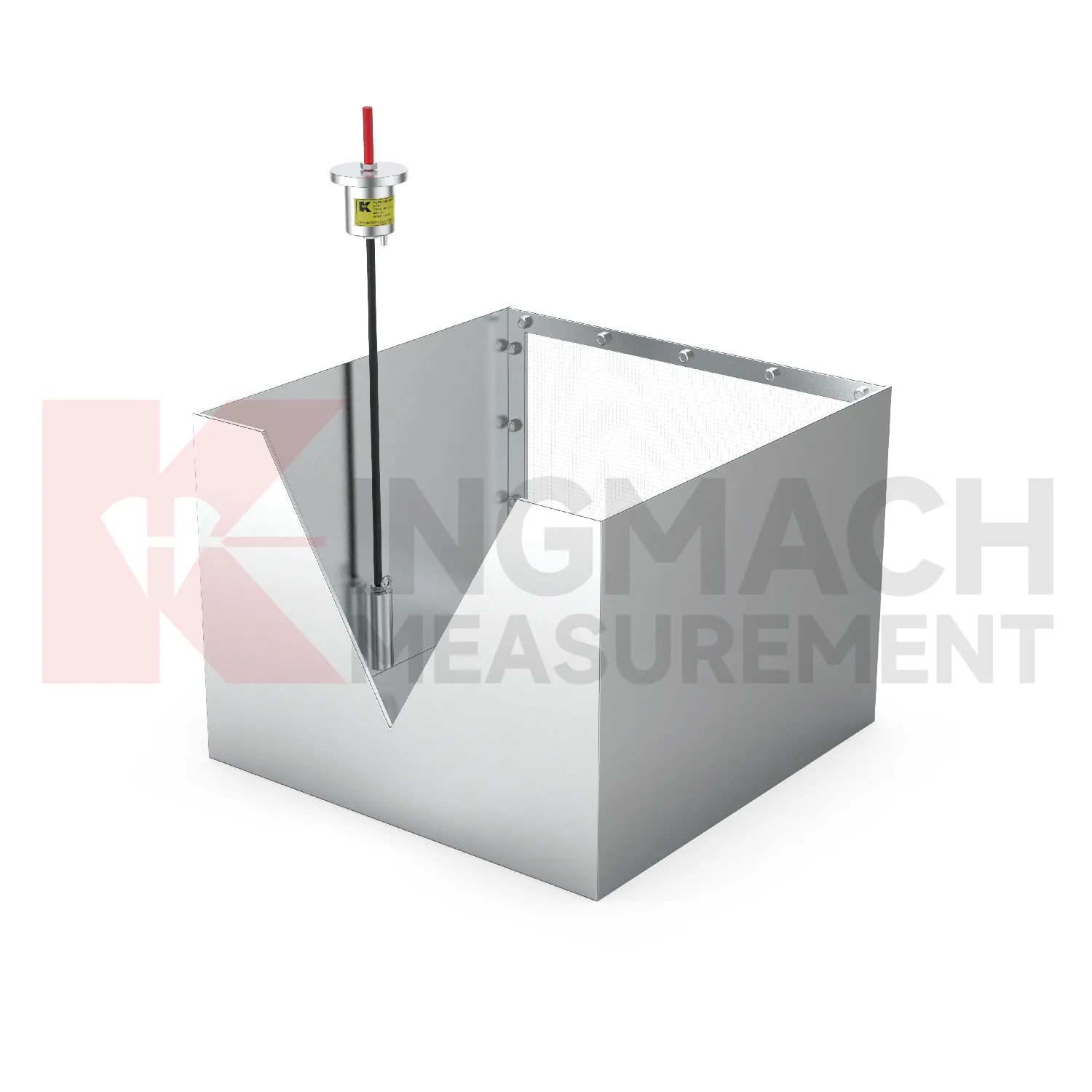
Application of weir flow meter Domestic Manufacturing
Water conservancy projects use Kingmach weir flow meter Domestic Manufacturing to observe controlled flow through small structures, channels, test sections, and auxiliary discharge points. The measurement is useful when operators need a continuous record rather than occasional visual checks. A weir point can show how flow changes after rainfall, gate operation, upstream storage variation, or maintenance work. The application should be planned around the water path: approach condition, weir crest, water head reference, downstream influence, and cleaning access. Data should be reviewed with reservoir level, rainfall, gate records, seepage notes, and field inspection. If the flow curve changes suddenly, the team should check both the water condition and the measuring section. This approach helps water conservancy teams use flow monitoring as part of operation, maintenance, and safety review rather than a separate instrument reading. In these projects, the flow point may support canal regulation, spillway observation, auxiliary drainage, or small test structures. The record is strongest when it is linked to the purpose of the channel. Operators can compare the trend with gate timing, upstream water level, and inspection notes, then decide whether the change reflects normal operation, a blockage, or a field condition that needs direct confirmation. This keeps operational review connected to hydraulic reality.
The future of weir flow meter Domestic Manufacturing
Future Kingmach weir flow meter Domestic Manufacturing will make maintenance analytics more useful. A flow curve can reveal more than water volume; it can suggest sediment build-up, vegetation growth, debris, downstream backwater, or changed upstream operation. Future platforms can flag slow drift, sudden jumps, flatlines, and disagreements with rainfall or water level records. These checks will not replace field inspection, but they can tell maintenance teams where to look first. A channel that slowly loses capacity should be cleaned before it creates an operating problem. A point that reports impossible behavior should be verified before the data is used in a report. The next step is to connect alarms with practical field tasks. Instead of only saying that a value changed, the system can help operators decide whether to inspect the crest, check the outlet, review recent pumping, or compare the reading with a nearby level point. That kind of guidance saves time in remote channels and keeps routine maintenance tied to measurable behavior.
Care & Maintenance of weir flow meter Domestic Manufacturing
Backwater and downstream conditions can affect Kingmach weir flow meter Domestic Manufacturing records. A weir point assumes that the control section represents the intended relationship between water head and discharge. If downstream water rises, debris blocks the outlet, or channel work creates partial submergence, the recorded level may no longer describe normal open-channel behavior. Maintenance teams should inspect the outlet reach with the same care as the upstream approach. Reports should note flooding, gate operation, temporary pumping, silt deposits, weed growth, or repair work near the discharge path. This wider inspection prevents staff from treating every unusual reading as an instrument fault. A practical review can compare the timing of level changes with rainfall logs, pump schedules, site photographs, and operator notes. When the surrounding hydraulic condition has changed, the record should be kept with a clear explanation before any long-term trend, alarm history, or monthly flow total is interpreted for operating decisions. Clear notes reduce repeated site visits.
Kingmach weir flow meter Domestic Manufacturing
On site, Kingmach weir flow meter Domestic Manufacturing needs careful hydraulic placement. The approach water should reach the weir smoothly, without unnecessary turbulence or local obstruction. The crest should remain clean and stable. The water head reading should represent the control section rather than a disturbed pocket of water. Cable routes, enclosures, and communication points should be protected from flooding and service work. These field details decide whether the record can be trusted after the first installation day. A good installation note should include channel condition, weir geometry, reference location, flow direction, cleaning access, and the first stable record. The point should also be easy for maintenance staff to recognize months later. Durable labels, simple access notes, and photographs from fixed viewpoints reduce confusion after handover. If the channel is later repaired, cleaned, or reshaped, the note should be updated so future reviewers know why the trend changed. That record protects long-term data quality.
FAQ
Q: What is Kingmach weir flow meter Domestic Manufacturing used for?
A: It is used to measure open-channel flow by reading water head at a controlled weir section and turning that change into a repeatable flow record.
Q: Where can it be applied?
A: It can support water conservancy, drainage, irrigation, tunnel discharge, dam drainage, construction runoff, industrial water channels, and water resource management.
Q: Why use a weir for flow monitoring?
A: A weir creates a stable hydraulic control section, making it easier to compare flow behavior over time when the channel is maintained properly.
Q: What makes the record useful?
A: A useful record links flow with site events such as rainfall, gate operation, cleaning, seepage, pump activity, or inspection findings.
Q: Should the meter be treated as a standalone device?
A: No. It should be treated as a measuring point that includes the channel, weir crest, water head reference, data path, and maintenance access. Maintenance teams need a record that tells them where to look. If a curve drops slowly, cleaning and sediment checks may come first. If it rises suddenly during dry conditions, upstream operation or a changed drainage path may deserve attention.
Reviews
Andrew Lee
The visualization software is intuitive and powerful. It helps us analyze monitoring data efficiently.
Robert Taylor
The weir flow meter is well-built and delivers accurate measurements. Great value for water management applications.
Latest Inquiries
To protect the privacy of our buyers, only public service email domains like Gmail, Yahoo, and MSN will be displayed. Additionally, only a limited portion of the inquiry content will be shown.
Amelia***@gmail.comSingapore
Hello, I am looking for visualization software for monitoring system data analysis. Please let me kn...
Olivia***@gmail.comUnited States
Hello, we are currently sourcing high-precision strain gauges and load cells for a bridge monitoring...