
 EN
EN
 ar
ar bg
bg hr
hr cs
cs da
da nl
nl fi
fi fr
fr de
de el
el hi
hi it
it ko
ko no
no pl
pl pt
pt ro
ro ru
ru es
es sv
sv tl
tl iw
iw id
id lv
lv lt
lt sr
sr sk
sk sl
sl uk
uk vi
vi et
et hu
hu th
th tr
tr fa
fa ms
ms hy
hy ka
ka ur
ur bn
bn mn
mn ta
ta kk
kk uz
uz ku
ku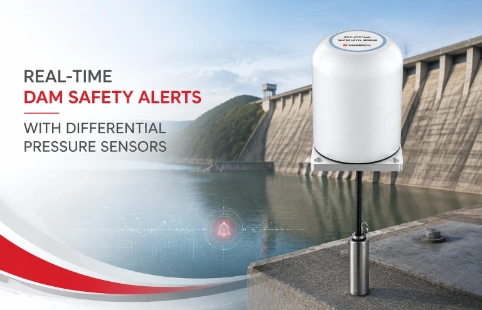
Real-Time Dam Safety Alerts with Differential Pressure Water Level Sensors
Key Takeaways An alert chain needs more than a sensor: define field in...

Multifunctional Data Acquisition Expansion Module for Field Monitoring
Adding sensors to an existing monitoring array shouldn’t force a complete logger swap. A multifunctional data acquisition expansion module plugs that gap. It takes the signals from extra vibrating wire piezometers, strain gauges, or thermistors and hands them off to your central logger through a standard digital bus. Kingmach builds these modules for geotechnical and structural projects where channel counts grow over time. We keep the interface straightforward. You connect the sensors, configure a few DIP switches or a software profile, and the module starts sampling. Because we design and manufacture in house, we can adapt analog front ends to match sensor types that off-the-shelf modules ignore. If you need surge protection on every channel or a specific communication protocol, that’s a conversation, not a special order. Field crews typically get this module running in half a day, then forget about it.
Technical Detail
Kingmach’s multifunctional data acquisition expansion module addresses the practical challenge of channel count expansion without duplicating costly datalogger hardware. The unit typically provides 8 to 24 universal inputs, configurable per channel for voltage, current, vibrating wire, or resistive sensors. Excitation and signal conditioning are handled on board, so raw sensor outputs become engineering units before reaching the logger. Communication runs over RS-485 or CAN bus, with industrial protocols that drop directly into existing SCADA or cloud data platforms. Power consumption stays low enough for solar-powered remote stations—a design choice driven by years of installation experience on dams and slopes. Each module is housed in a weather-rated enclosure with internal desiccant packs and cable glands sized to field cables. Channel density can be scaled by stacking multiple modules on one bus, giving a solution that starts small and grows. Our factory calibration records are logged per module, and we keep those on file for future service. Customization options are not limited to channel types. We routinely integrate local storage, cellular telemetry, or custom firmware that matches a client’s data format. Because we support projects across Asia, Europe, and the Americas, technical questions arrive in several languages and a response usually goes out within a working day.
News
Key Takeaways An alert chain needs more than a sensor: define field in...
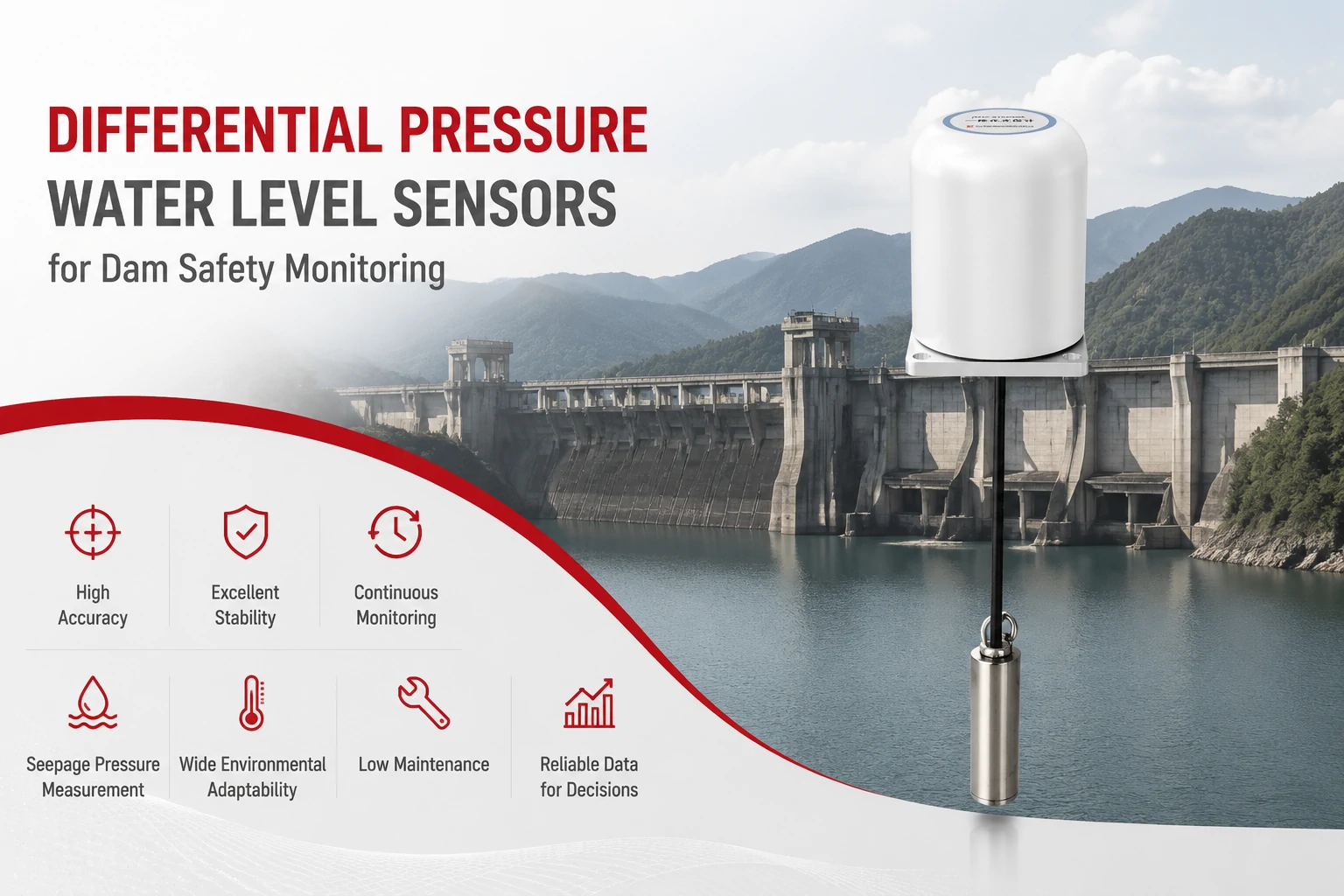
Key Takeaways The strongest fit is usually a confined, submerged, or s...
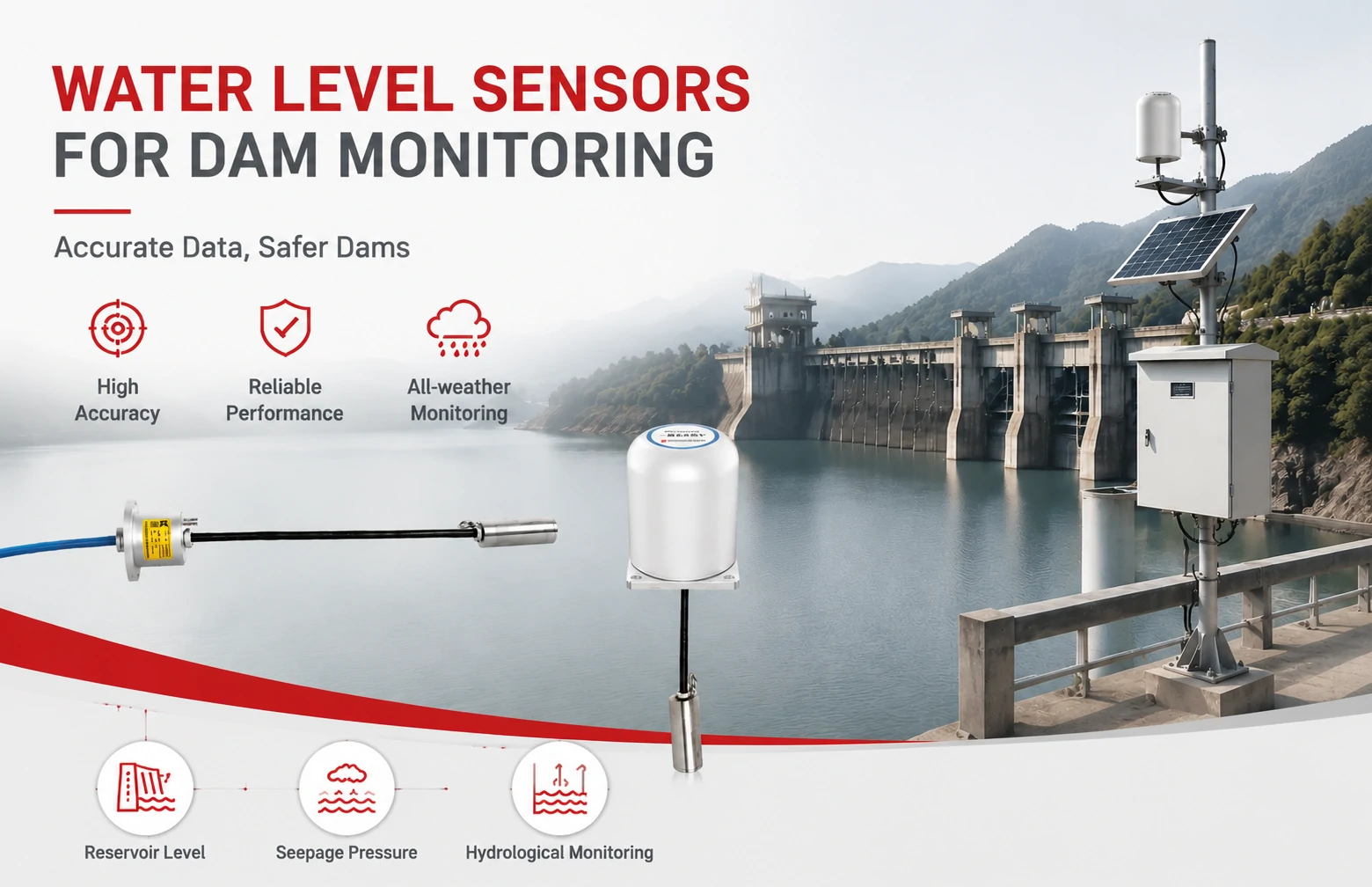
Kingmach Water Level Sensors for Dam Monitoring: A Buyer's Guide to Differential Pre...
Products
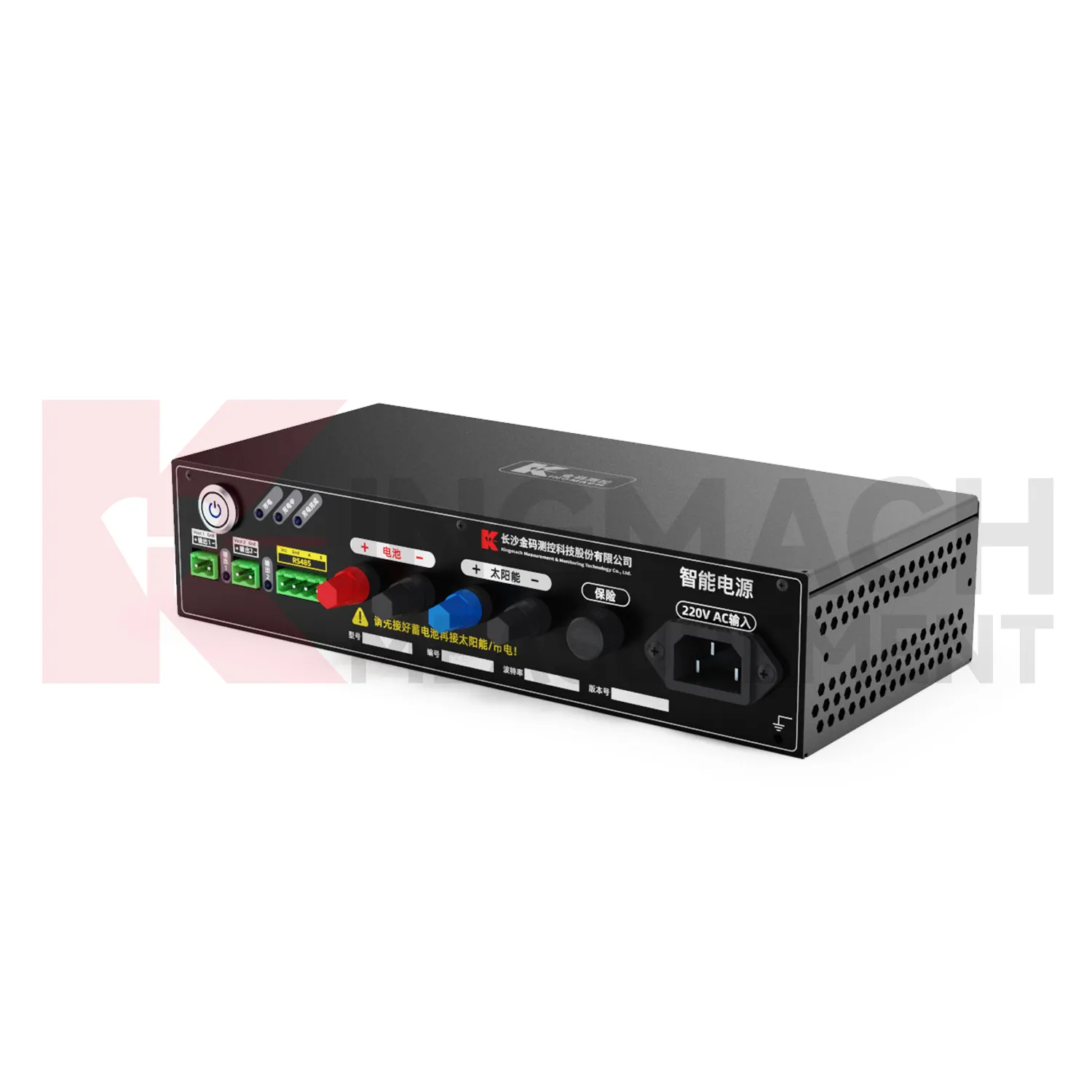
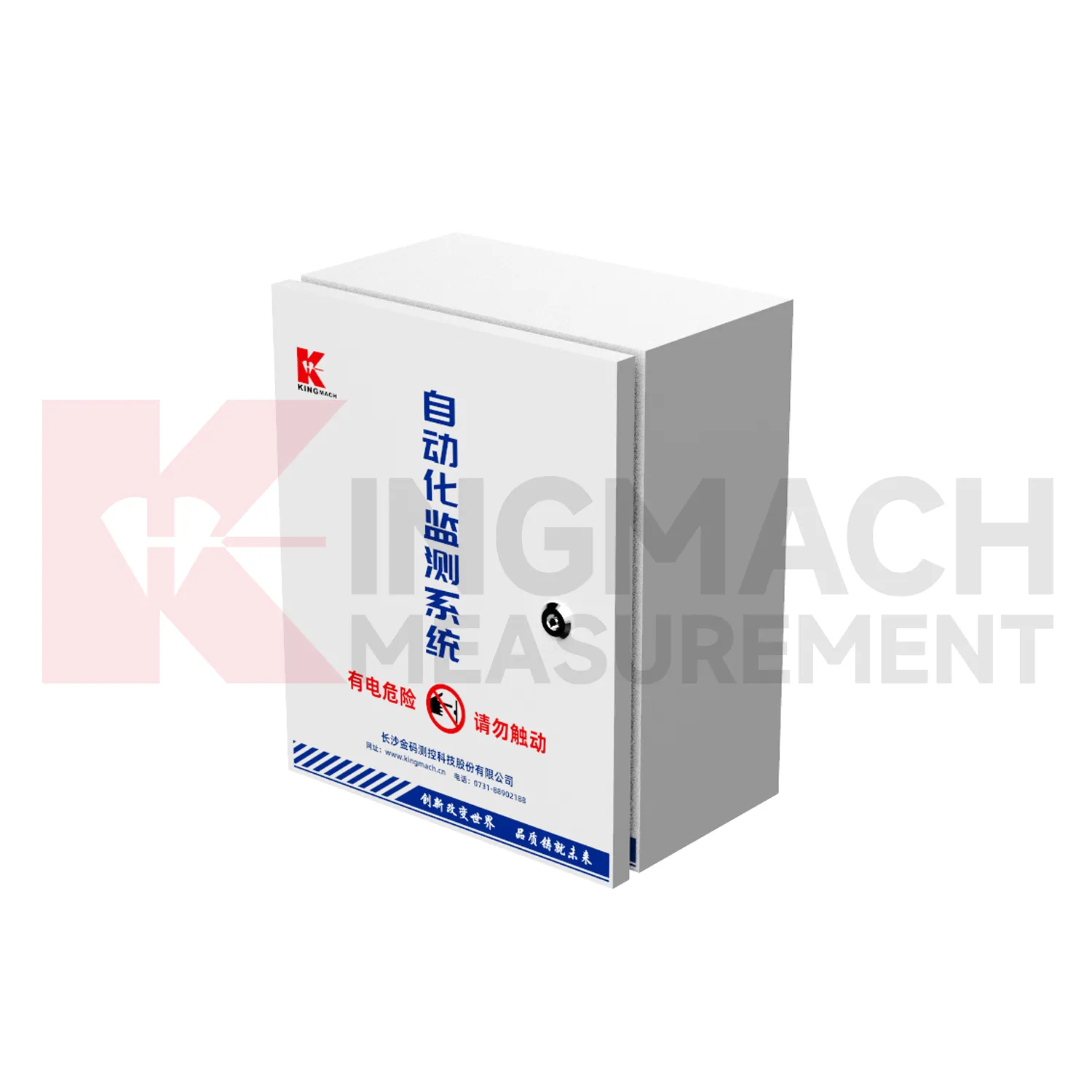
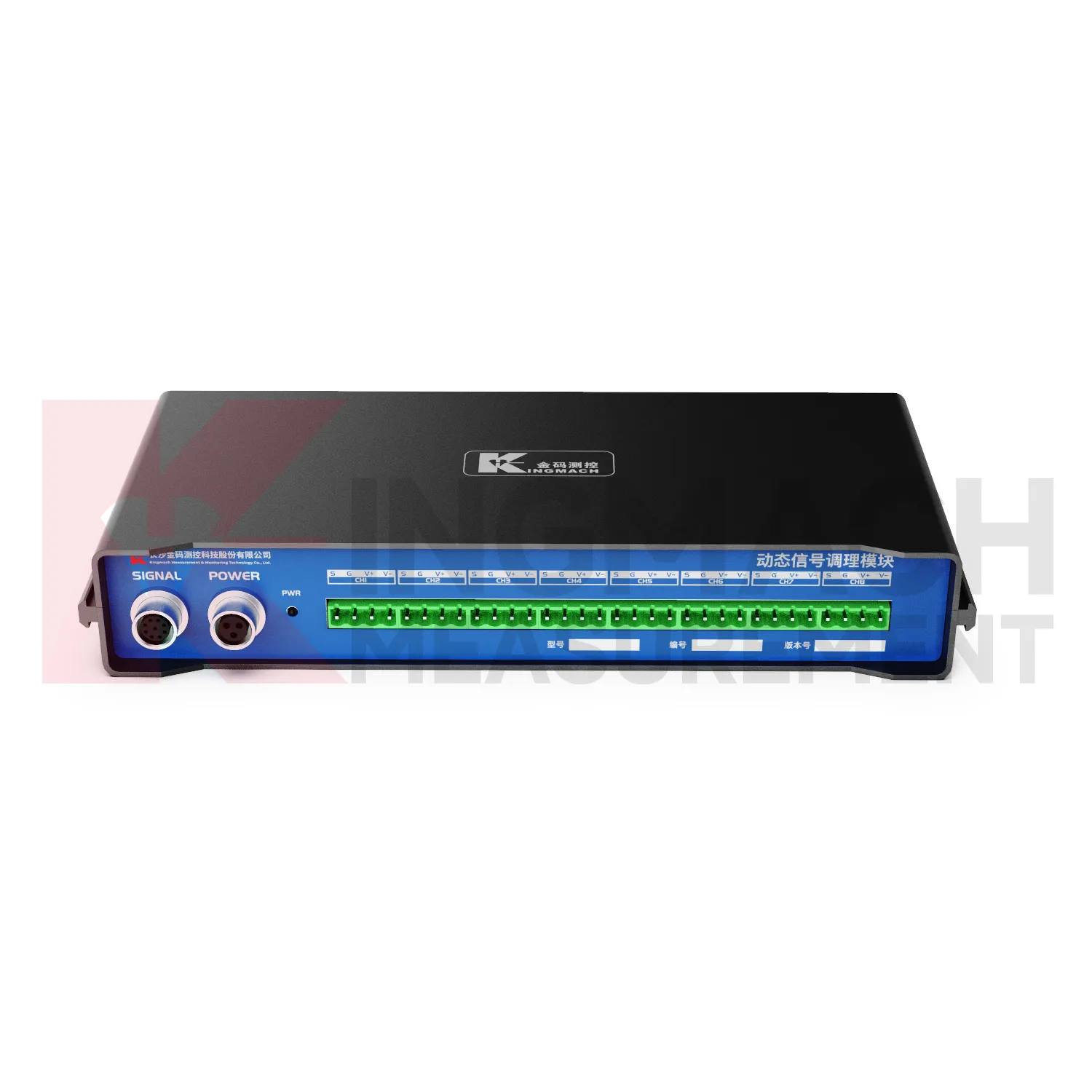
Dynamic signal conditioning moduleJMYD-2008XTA
View DetailsFAQ
The module uses standard industrial protocols over RS-485 or CAN, so it works with most Campbell Scientific, Geokon, and RST loggers, as well as generic Modbus masters. For a specific model, we recommend sending us the logger make and firmware version—our support team will confirm the wiring and protocol settings.
Yes, each channel is independently configurable. You might have a string of vibrating wire piezometers on channels 1–4, a thermistor on channel 5, and a 4–20 mA displacement sensor on channel 6. The module auto-detects the sensor type from your configuration file and applies the correct excitation and scaling.
Typically up to 16 modules can be addressed on a single RS-485 bus, which translates to several hundred channels. Power and cable length limitations usually become the deciding factor before the addressing limit. Our engineers can review your layout to confirm the feasibility.
The channel circuitry is protected by resettable fuses and TVS diodes, but if a surge takes out a channel, the module can still be serviced in the field. A spare I/O board can be swapped with a screwdriver, and the calibration constants are stored in non-volatile memory on the main board, so you don’t need to send it back for recalibration.
Almost everything can be adapted: channel count, sensor excitation ranges, logging interval, enclosure material, cable entry, and even the communication protocol. For bulk orders, we can pre-configure and label each module per your sensor schedule. Just share the project specifications and we’ll return a proposal within a few days.
Share your product type, target capacity, and application requirements. Our team can review the details and recommend a practical next step.
If you are interested in our products or want to become our partner.
Please leave your contact information, our team will contact you as soon as possible.
Mail: [email protected]
Contact Us: +8613808434127
Address: No. 188 Tongzipo West Rd, Changsha, Hunan, China