
 EN
EN
 ar
ar bg
bg hr
hr cs
cs da
da nl
nl fi
fi fr
fr de
de el
el hi
hi it
it ko
ko no
no pl
pl pt
pt ro
ro ru
ru es
es sv
sv tl
tl iw
iw id
id lv
lv lt
lt sr
sr sk
sk sl
sl uk
uk vi
vi et
et hu
hu th
th tr
tr fa
fa ms
ms hy
hy ka
ka ur
ur bn
bn mn
mn ta
ta kk
kk uz
uz ku
ku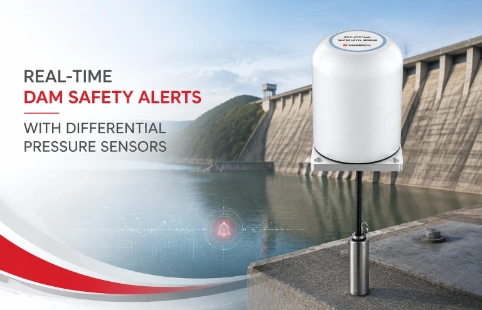
Real-Time Dam Safety Alerts with Differential Pressure Water Level Sensors
Key Takeaways An alert chain needs more than a sensor: define field in...

Accelerometer Sensors for Structural Health Monitoring
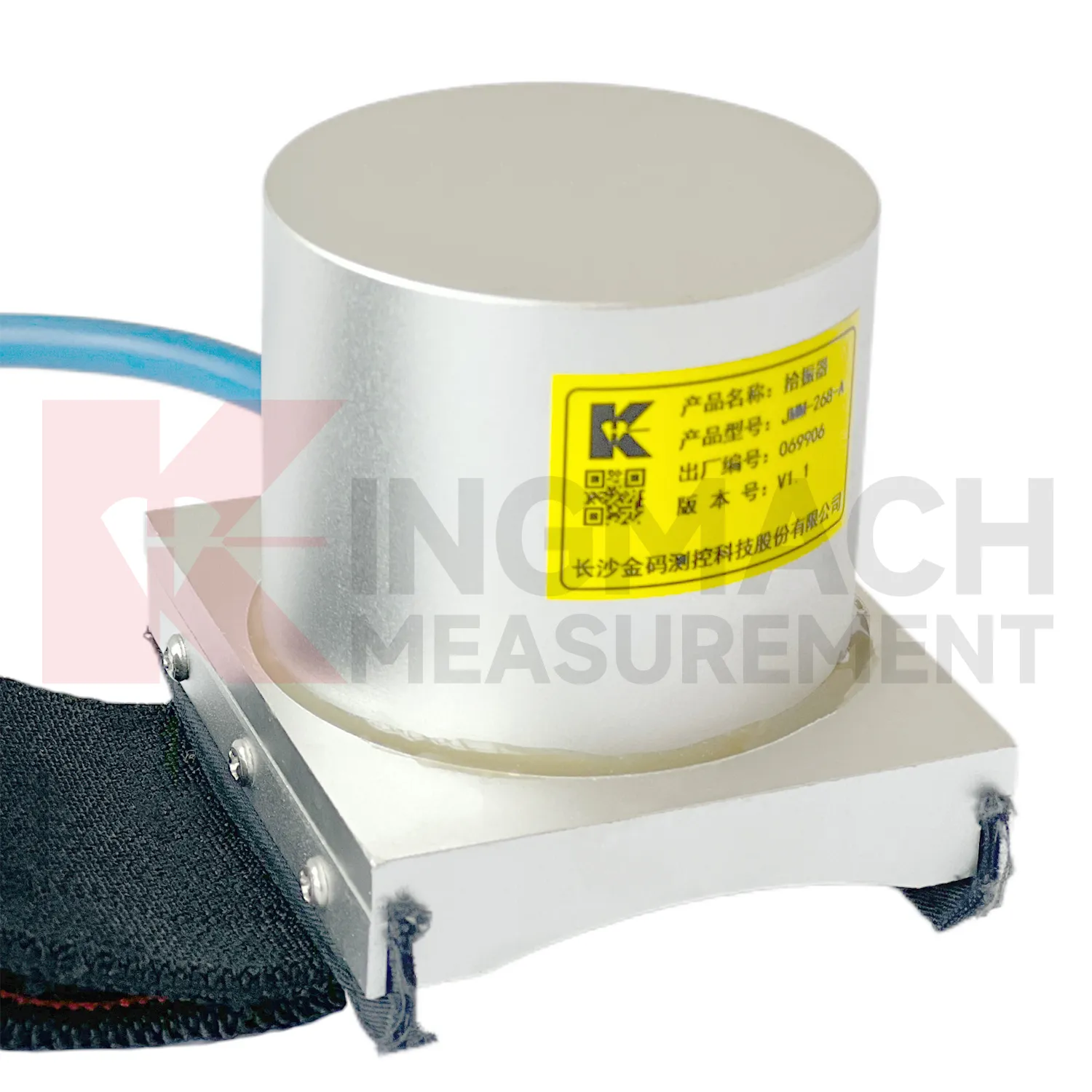
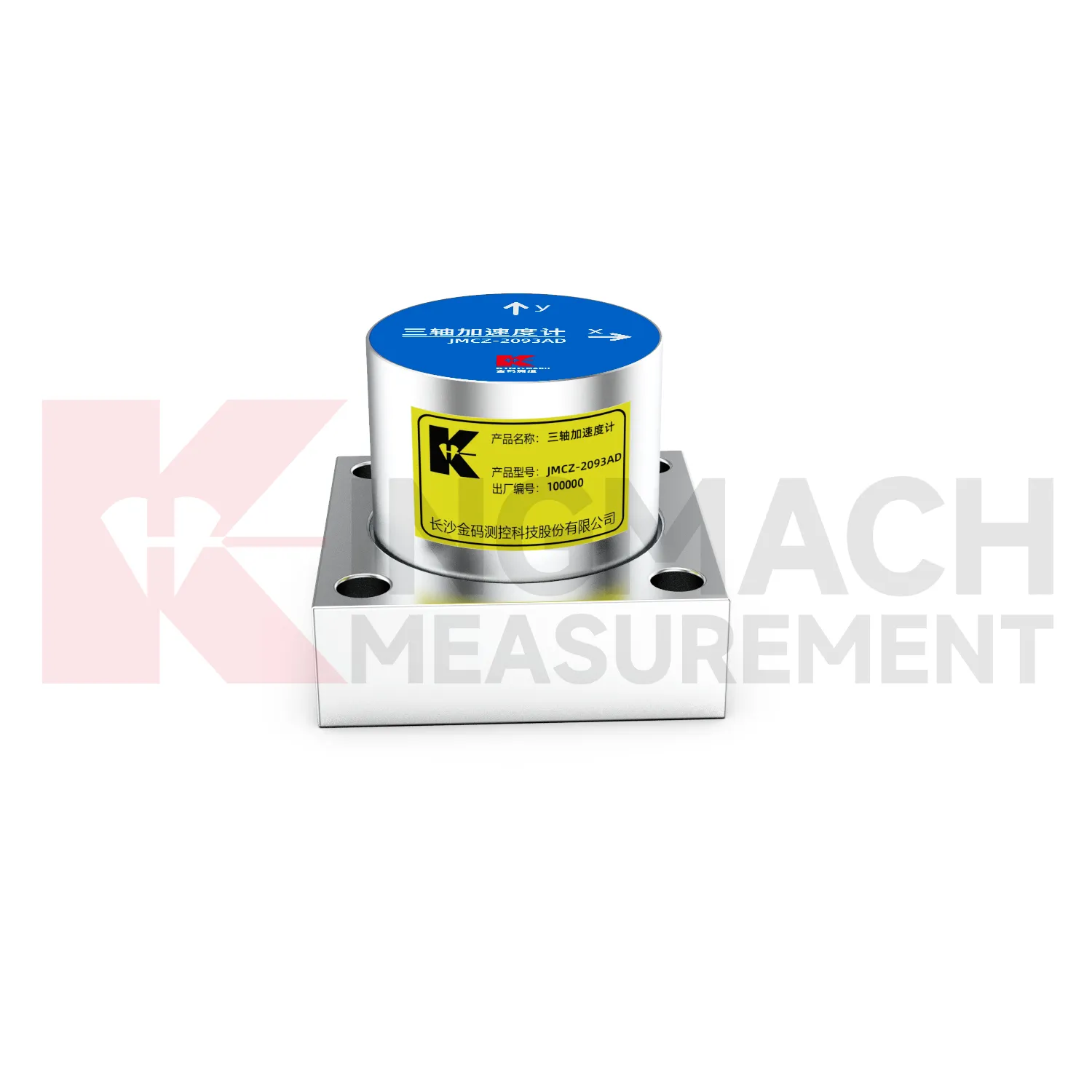
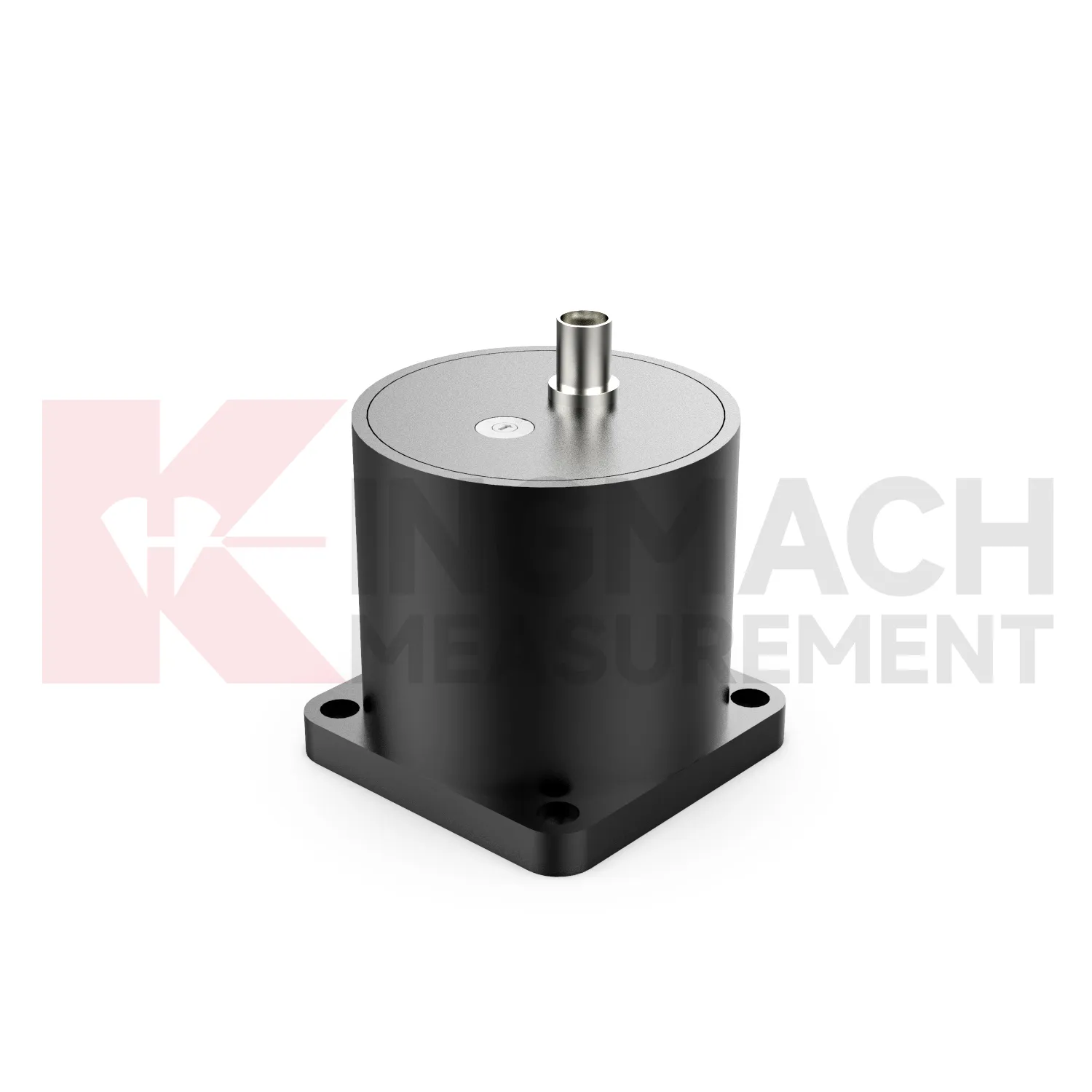
Acceleration sensors undertake vibration and tilt measurement tasks in practical engineering. The slight movement of a bridge, the impact of tunnel blasting, the swing of a tall structure – these all require sensors to capture and convert them into analyzable data. As a manufacturer of geotechnical instruments, Kingmach provides a series of accelerometers designed for long-term field observations, covering a variety of scenarios from extremely low frequency to shock response. Our products are not precision toys in the laboratory, but tools that can be directly buried or surface-mounted to work stably in harsh environments. According to project requirements, the sensor range, packaging, and output signal can be adjusted. Once installed, they often run silently in the monitoring system for several years, providing engineers with continuous dynamic feedback.
Technical Detail
Kingmach's acceleration sensors use piezoelectric or MEMS sensing principles and are suitable for a variety of monitoring objects. The sensor has a wide frequency response range and can adapt to measurement needs from slow temperature deformation to instantaneous vibration. The built-in sensitive components are designed with temperature compensation in mind to control drift. Common output signals include voltage, current or digital interfaces, making it easy to connect to various data acquisition instruments on the market. The shell material is usually made of stainless steel, and the protection level can reach IP67 to cope with rainfall and dust environments. For special cases, we also offer waterproof connector and armored cable options. In terms of measurement range, customers can choose common ranges such as ±2g and ±10g according to the monitoring target. Models for low-frequency applications can even distinguish micro-accelerations down to the μg level. These parameters are not fixed. Kingmach engineers will communicate with users about actual working conditions, such as installation angle, expected amplitude, and cable length, and then provide an adapted configuration. This face-to-face technical contact makes customization more than just checking a parameter sheet, but actually solving on-site problems. As a mid-range brand, our balance is between reliability and budget. The product line is wide enough, ranging from single-channel analog sensors to intelligent models with built-in signal conditioning, which can cover projects of different complexity such as landslide monitoring, crane status, and seismic networks. A global distribution network means there is no delay in spare parts and after-sales response, which is an essential requirement for continuous monitoring projects.
News
Key Takeaways An alert chain needs more than a sensor: define field in...
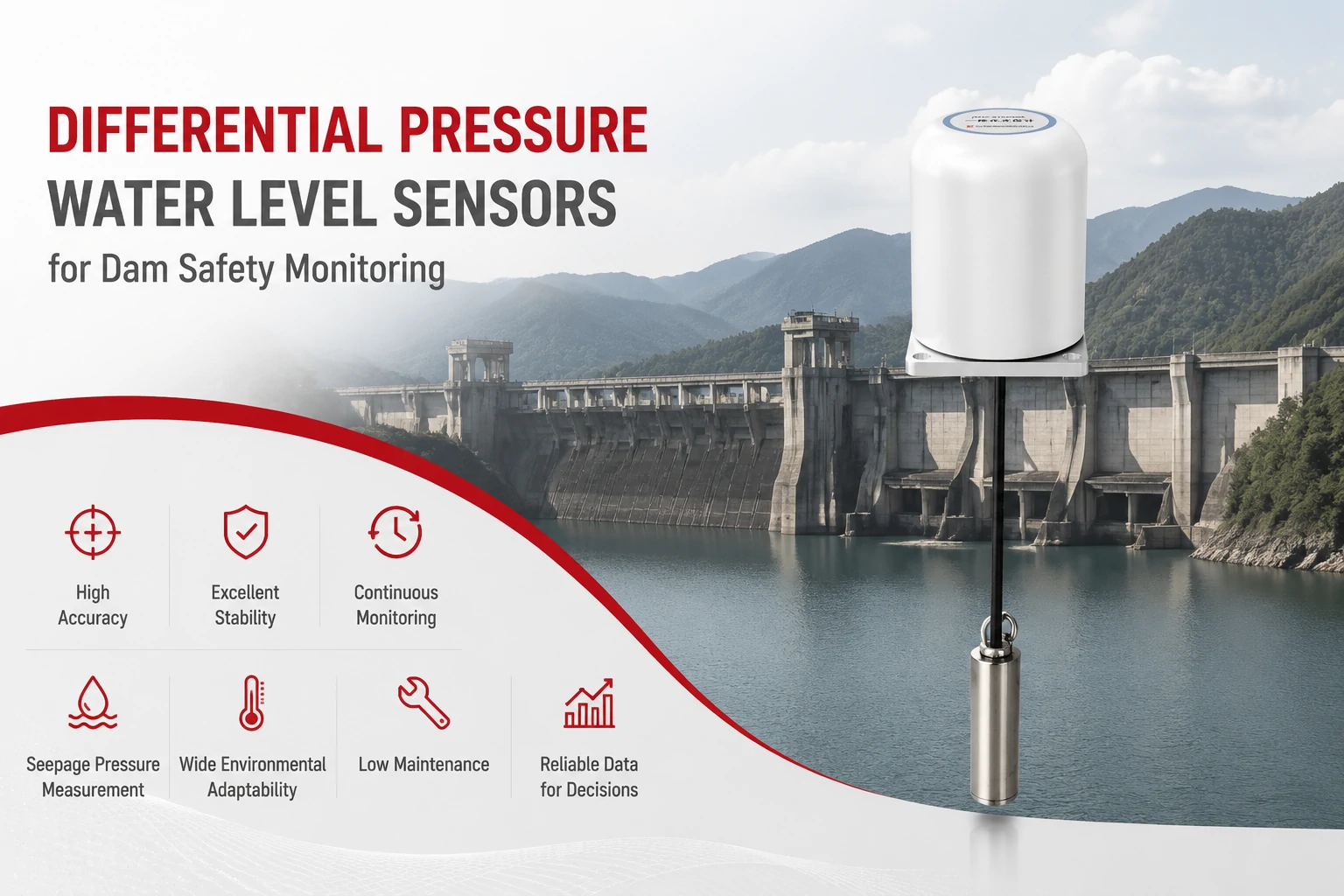
Key Takeaways The strongest fit is usually a confined, submerged, or s...
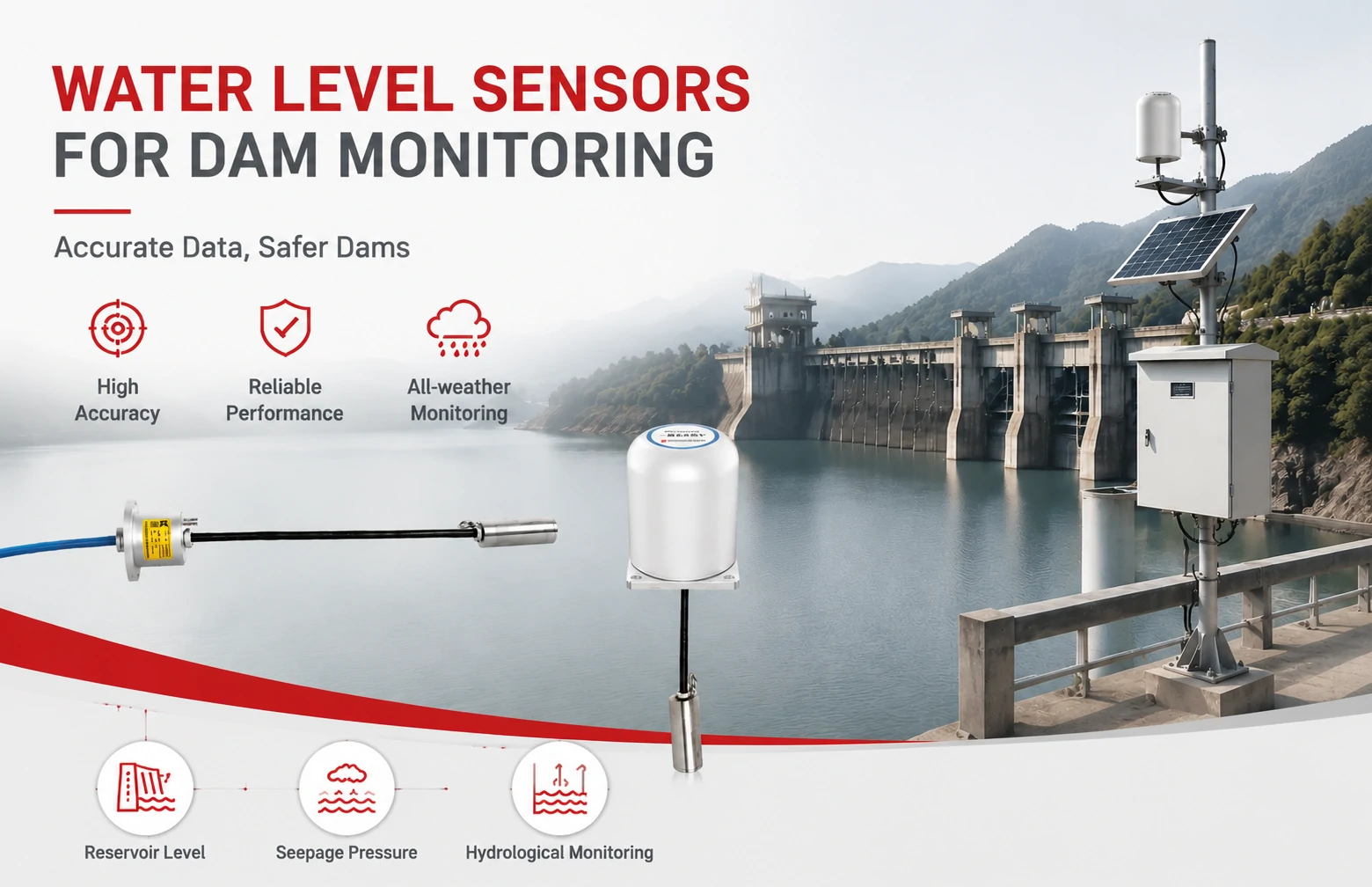
Kingmach Water Level Sensors for Dam Monitoring: A Buyer's Guide to Differential Pre...
Products
FAQ
The accelerometer directly outputs an electrical signal proportional to the vibration. It has a fast response and is suitable for dynamic measurements, such as the vibration frequency and impact load of bridges. The vibrating wire sensor uses changes in the frequency of the steel string to reflect strain. It has good stability but slow response, and is more suitable for long-term static stress or displacement monitoring. If the project focuses on real-time vibration events, the accelerometer is a more reasonable choice.
In large-scale structure or slope monitoring, slow deformation will produce extremely low-frequency vibrations. If the low-frequency cutoff frequency of the sensor is too high, these signals may not be detected at all. It is usually necessary to pay attention to the sensitivity of the sensor at 0.1Hz or even lower frequencies, which determines whether it can capture initial abnormal movements.
Our sensors provide standard voltage output (such as ±5V) or current output (4-20mA), and also have digital bus models. As long as the collector can receive these universal signals, it can basically be connected directly. For special protocols, we can do signal conditioning or secondary packaging on the sensor side to lower the integration threshold.
Most accelerometers are calibrated when leaving the factory, but if exposed to temperature differences and humidity changes for a long time, the sensitivity may drift. It is recommended to verify it once a year through a standard shaking table or known gravity inversion method, especially for seismic monitoring sites with high accuracy requirements. We can also provide return-to-factory calibration services, or guide a simple on-site calibration process.
Yes. For situations where inclinometer tubes or small-diameter drill holes need to be placed, we can reduce the diameter of the sensor and adjust the fixing fixture at the same time. However, customization will affect the minimum order quantity, which will be evaluated based on complexity. It is best to provide a mechanical sketch in advance, and we will give feasibility suggestions.
Share your product type, target capacity, and application requirements. Our team can review the details and recommend a practical next step.
If you are interested in our products or want to become our partner.
Please leave your contact information, our team will contact you as soon as possible.
Mail: [email protected]
Contact Us: +8613808434127
Address: No. 188 Tongzipo West Rd, Changsha, Hunan, China