
 EN
EN
 ar
ar bg
bg hr
hr cs
cs da
da nl
nl fi
fi fr
fr de
de el
el hi
hi it
it ko
ko no
no pl
pl pt
pt ro
ro ru
ru es
es sv
sv tl
tl iw
iw id
id lv
lv lt
lt sr
sr sk
sk sl
sl uk
uk vi
vi et
et hu
hu th
th tr
tr fa
fa ms
ms hy
hy ka
ka ur
ur bn
bn mn
mn ta
ta kk
kk uz
uz ku
ku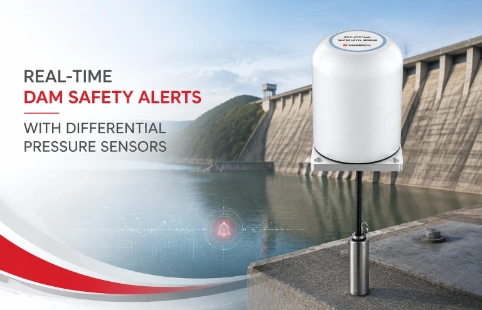
Real-Time Dam Safety Alerts with Differential Pressure Water Level Sensors
Key Takeaways An alert chain needs more than a sensor: define field in...

Durable Inclinometer Casing for Reliable Measurements
Installing an inclinometer casing in a borehole that shifts over time is asking for trouble if the casing can’t keep up. In landslide-prone slopes or deep excavation sites, the casing doesn’t just hold the probe—it defines whether your deformation data reflects reality or just the casing’s own bending limits. That’s why engineers look for casings that stay coupled to the ground and don’t introduce their own noise. Kingmach Measurement & Monitoring Technology Co., Ltd. has been supplying inclinometer casing to projects where this matters, from foundation pits to tailings dams. We keep a wide range of casing types in stock—ABS, PVC, and aluminum—with groove configurations that match common probes. The idea isn’t to push the most expensive option but to match the casing to the expected shear and chemical environment. Custom lengths and couplings are available when standard sections fall short, and our technical team can walk you through trade-offs before you order. Over the years, we’ve seen how a casing that’s too stiff in soft clay or too flexible in rock gives misleading readings. Getting this right doesn’t require exotic materials, just a clear understanding of site conditions and a supplier who won’t cut corners on groove alignment or joint straightness.
Technical Detail
Kingmach’s inclinometer casing line covers the three most requested materials: ABS, PVC, and aluminum. ABS is the workhorse for most soil and rock monitoring—lightweight, corrosion-resistant, and stiff enough to maintain groove integrity under moderate shear. PVC offers better chemical resistance for contaminated sites or aggressive groundwater, though it’s slightly more flexible. Aluminum casing goes into deeper boreholes where high rigidity is needed, commonly in dam monitoring or deep-seated landslide investigations. All casings follow standard industry dimensions: 70 mm and 85 mm outer diameters, with four longitudinal grooves spaced at 90 degrees. The grooves are precision-extruded or machined to a consistent width and depth so the probe wheels track smoothly without binding. Joints are a common failure point, so we supply self-aligning couplings with O-ring seals that keep out grout and debris. When projects demand non-standard lengths or groove counts, we can produce small batches without a huge lead time. Our inventory sits in several regional warehouses, part of a distribution network that keeps freight costs manageable for contractors outside major hubs. For installation support, we offer basic guidelines on grout selection and centralized placement, drawing on field experience rather than textbook theory. The casing itself is only one part of the monitoring chain, but it’s the part that remains in the ground for years, so getting the spec right from the start saves re-drilling later.
News
Key Takeaways An alert chain needs more than a sensor: define field in...
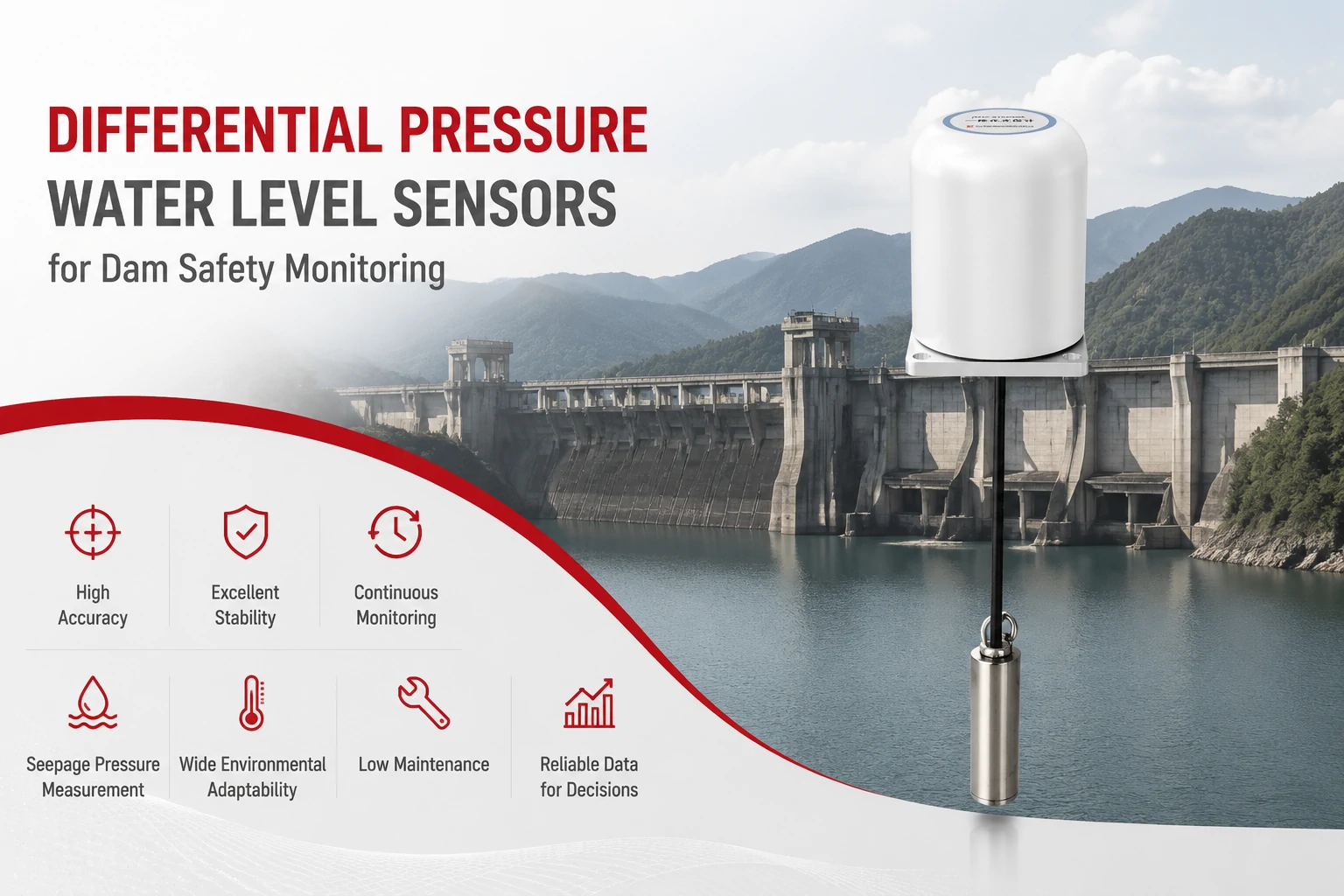
Key Takeaways The strongest fit is usually a confined, submerged, or s...
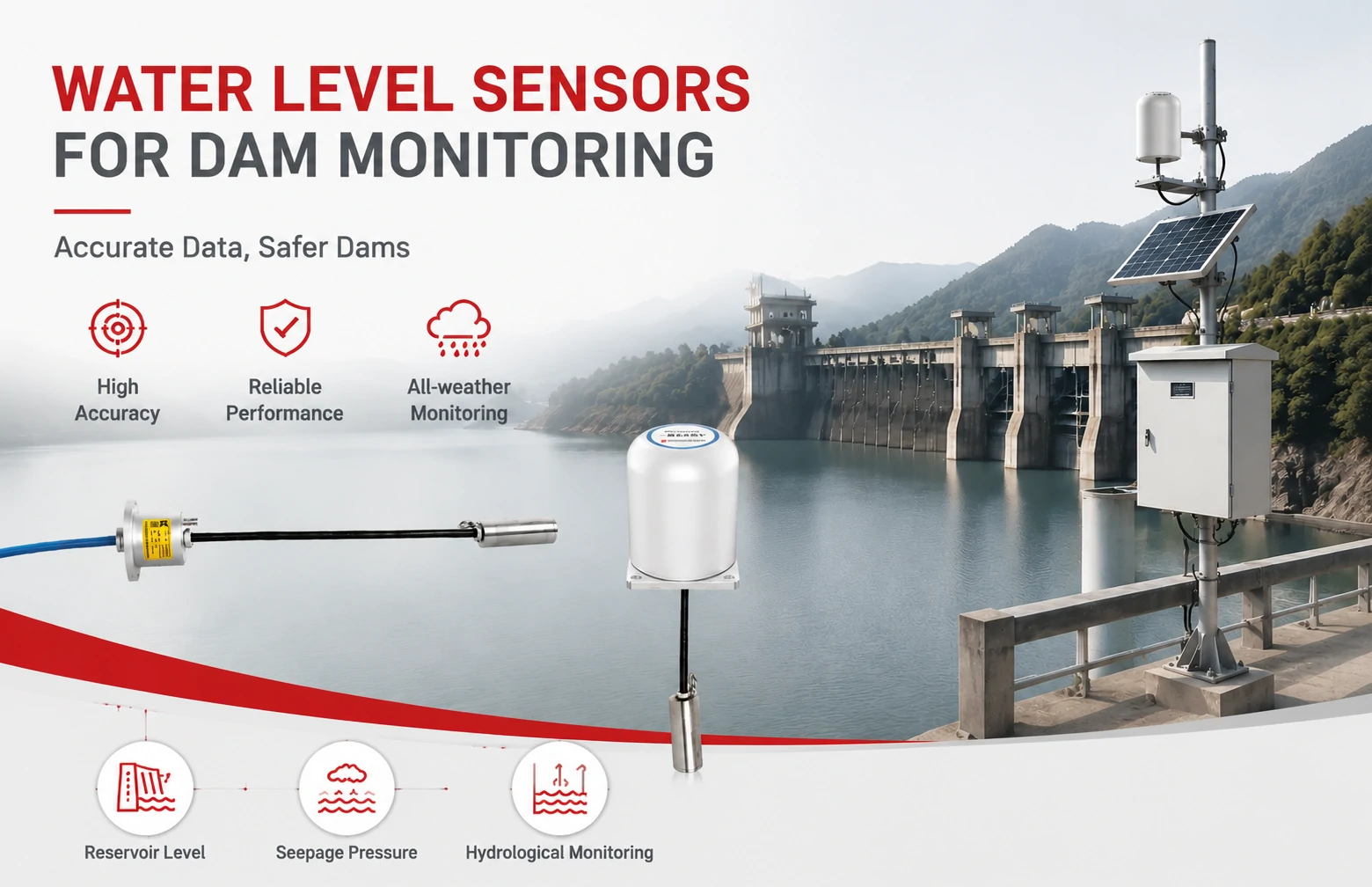
Kingmach Water Level Sensors for Dam Monitoring: A Buyer's Guide to Differential Pre...
Products
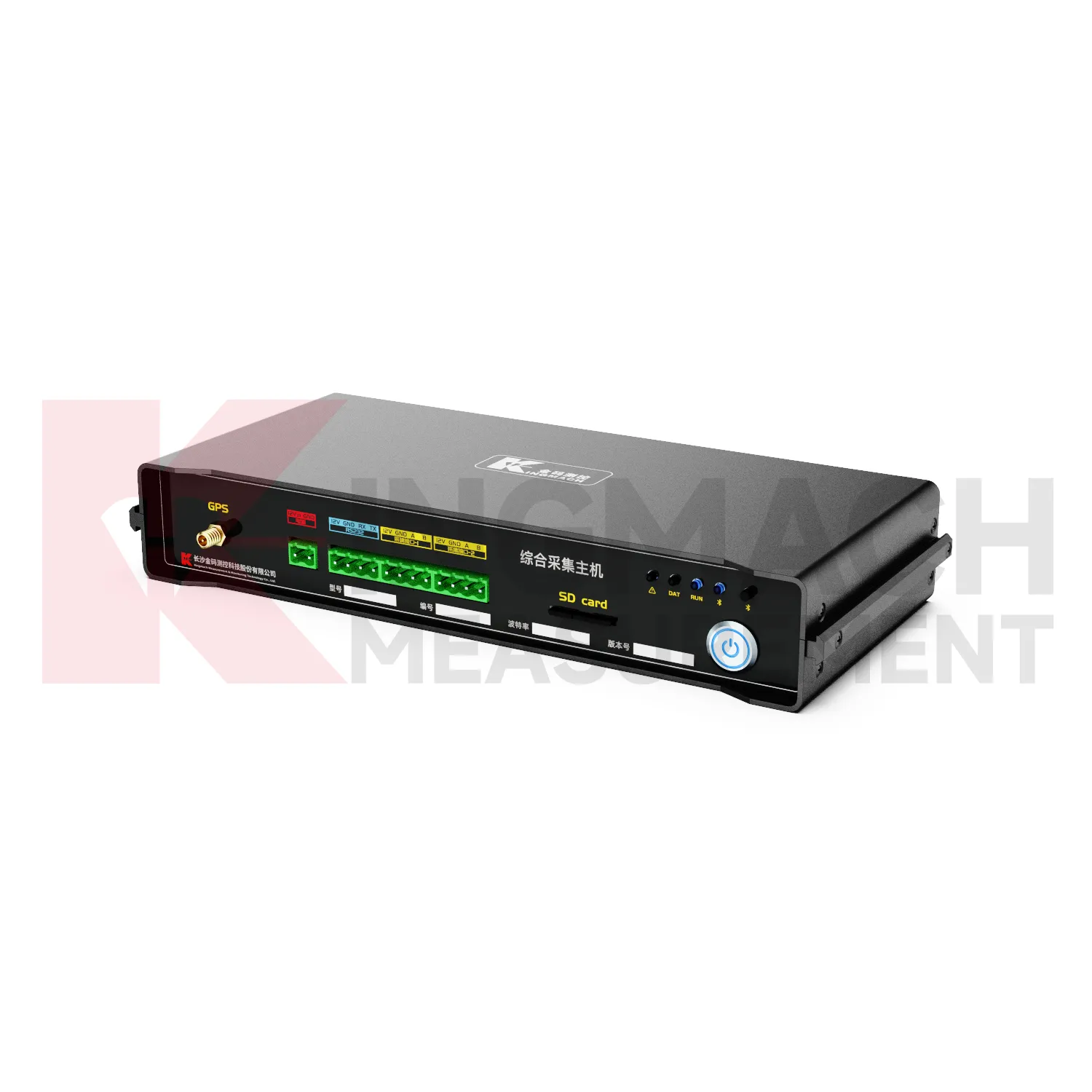
Comprehensive Acquisition Host Unit JMZX-5ZH
View Details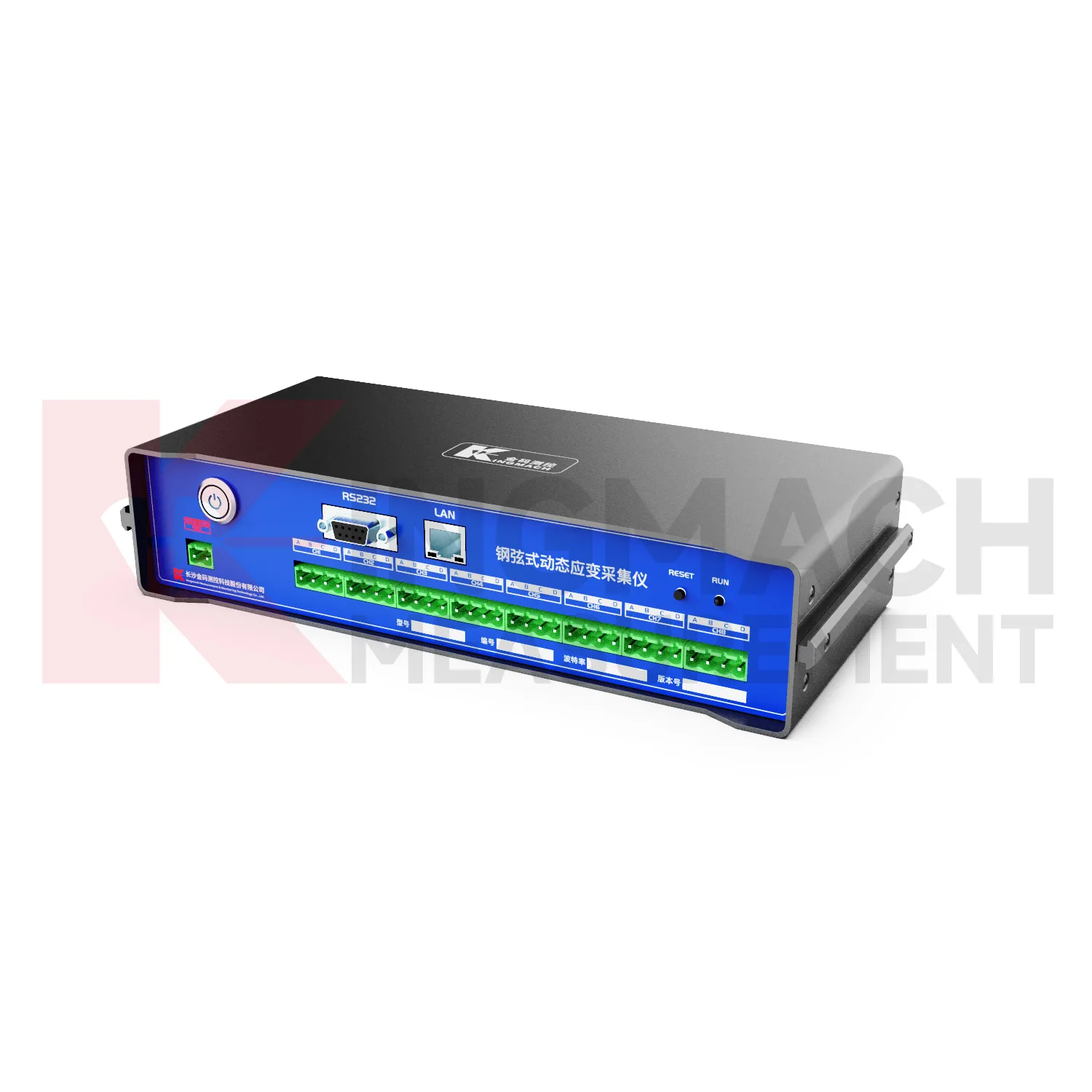
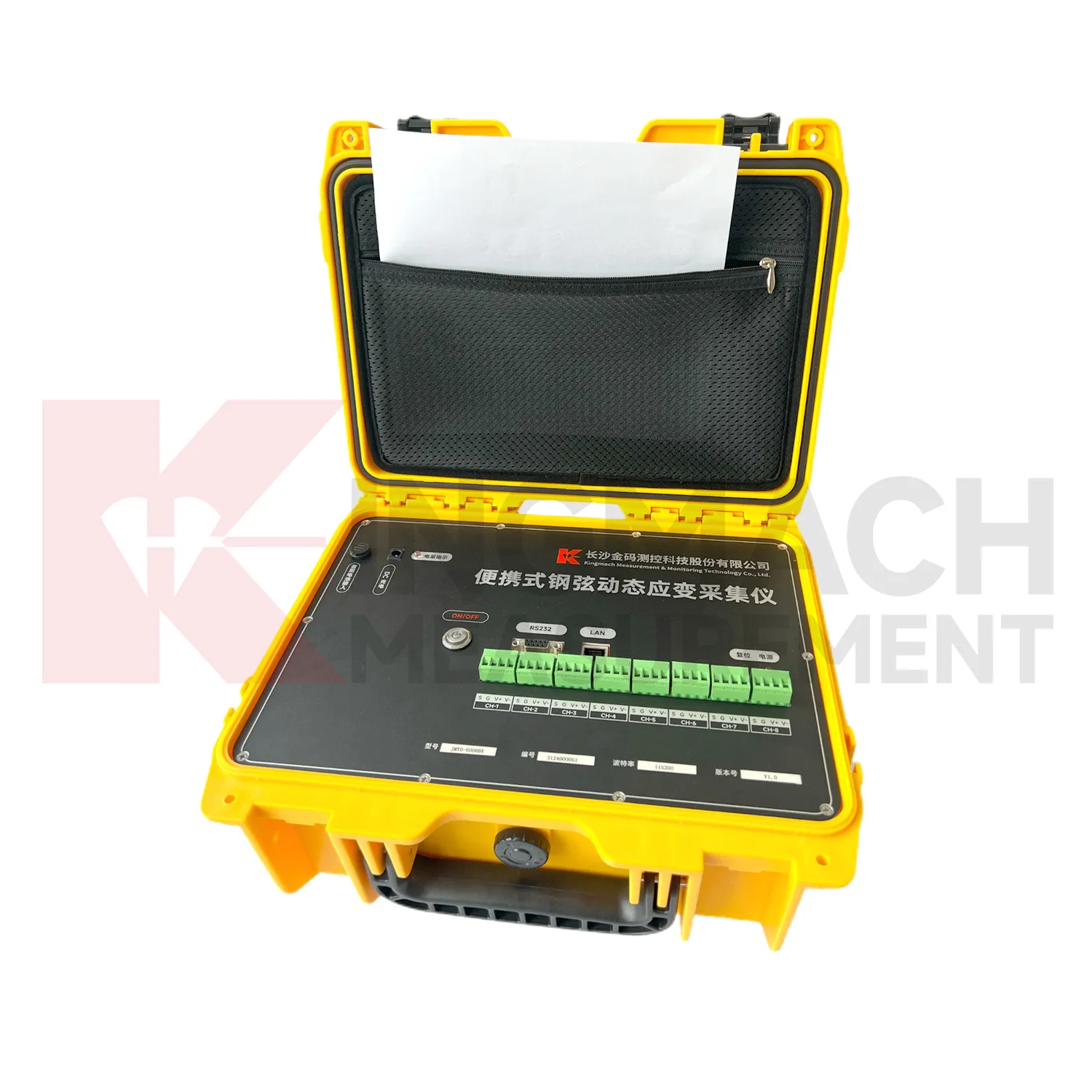
Portable Vibrating Wire Dynamic Strain Acquisition Readout JMYD-6008BX
View DetailsFAQ
ABS is usually the go-to for clay landslides because it’s stiff enough to deform with the ground without adding much weight, and it resists corrosion from typical soil moisture. If the landslide is very slow-moving and you need high sensitivity, aluminum may be better due to its lower flexibility, but it costs more. PVC is less common in landslides unless chemical contamination is an issue.
Our casings ship with machined ends and self-aligning couplings. The coupling has internal ridges that match the casing grooves, so when you slide it on, the alignment is automatic. Still, on-site, you should check with a flashlight after joining and before lowering into the borehole. A misalignment of even 1 mm can cause probe binding.
It depends on the material and chemical environment. PVC can last decades in neutral conditions but may soften if acidic mine drainage is present. ABS holds up better against mild acids and abrasion. Aluminum can corrode in highly alkaline environments. With proper grouting and no chemical attack, 15–20 years is a reasonable expectation.
Yes, we handle custom groove configurations as long as the probe requirements are clear. You’d need to provide the probe wheel spacing and diameter, and we’ll confirm whether extrusion tooling adjustments are needed. Small-batch custom orders are possible, though lead times increase by a few weeks.
Flush-joint connections have the same outer diameter along the entire casing string, which makes it easier to centralize in a borehole. Bell-end connections have a wider sleeve at one end, which can simplify assembly but may cause annulus gaps. Most monitoring projects prefer flush-joint for uniform grout coverage.
Share your product type, target capacity, and application requirements. Our team can review the details and recommend a practical next step.
If you are interested in our products or want to become our partner.
Please leave your contact information, our team will contact you as soon as possible.
Mail: [email protected]
Contact Us: +8613808434127
Address: No. 188 Tongzipo West Rd, Changsha, Hunan, China