
 EN
EN
 ar
ar bg
bg hr
hr cs
cs da
da nl
nl fi
fi fr
fr de
de el
el hi
hi it
it ko
ko no
no pl
pl pt
pt ro
ro ru
ru es
es sv
sv tl
tl iw
iw id
id lv
lv lt
lt sr
sr sk
sk sl
sl uk
uk vi
vi et
et hu
hu th
th tr
tr fa
fa ms
ms hy
hy ka
ka ur
ur bn
bn mn
mn ta
ta kk
kk uz
uz ku
ku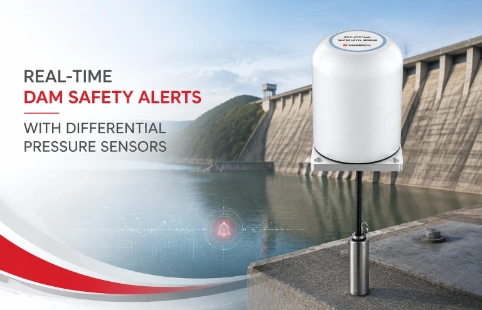
Real-Time Dam Safety Alerts with Differential Pressure Water Level Sensors
Key Takeaways An alert chain needs more than a sensor: define field in...

Load Cell Sensors: Reliable Monitoring for Critical Infrastructure
When monitoring forces in deep excavation or bridge bearing, the load cell sensor is often the quiet workhorse that engineers rely on. For geotechnical and structural applications, these sensors convert mechanical load into an electrical signal, giving project teams a direct look at stress changes over time. Kingmach serves as a professional manufacturer specializing in such instrumentation, and their load cell sensors find use in anchor force testing, pile load tests, and tunnel lining pressure monitoring. Rather than generic industrial load cells, these are built with field conditions in mind—think waterproofing, long cable runs, and compatibility with standard dataloggers. While many suppliers offer one-size-fits-all options, Kingmach focuses on the mid-range market where project requirements often demand a blend of proven accuracy, reasonable lead times, and the ability to customize a sensor for an unusual mounting situation. This introduction covers the essentials without diving into the technical weeds, but it sets the stage: if your next project involves structural health monitoring, a load cell sensor from a specialist manufacturer might be worth a closer look.
Technical Detail
Kingmach's range of load cell sensors addresses common pain points in geotechnical monitoring: unpredictable site conditions, limited installation space, and the need for data continuity over months or years. The sensors typically come in variants such as vibrating wire or electrical resistance strain gauge types, each with its own advantages. Vibrating wire load cells are well suited for long-term monitoring because they are less affected by cable length and moisture, while strain gauge versions can offer faster dynamic response. In practice, engineers often prioritize low drift and strong environmental sealing—both areas where Kingmach applies its manufacturing experience. The company supports custom ranges and physical dimensions, which helps when a project requires a non-standard capacity or a sensor that fits into a tight instrumented pile. Global distribution and direct technical support simplify the process of getting sensors calibrated and installed correctly, even on remote sites. A typical application might involve a series of load cells placed under bridge bearings to track load transfer during construction, or embedded in a retaining wall anchor head to measure tension change. The sensors interface with standard readout units or automated systems, reducing integration headaches. Beyond the hardware, Kingmach also offers after-sales service that includes troubleshooting and calibration assistance, which is a practical advantage when field data starts looking suspicious. For geotechnical consulting firms and infrastructure contractors, working with a focused manufacturer means fewer compromises between stock availability and project-specific requirements. Overall, the load cell sensor lineup is designed to fill the gap between low-cost commodity products and high-end research-grade instrumentation, making it a reasonable choice for mainstream monitoring tasks.
News
Key Takeaways An alert chain needs more than a sensor: define field in...
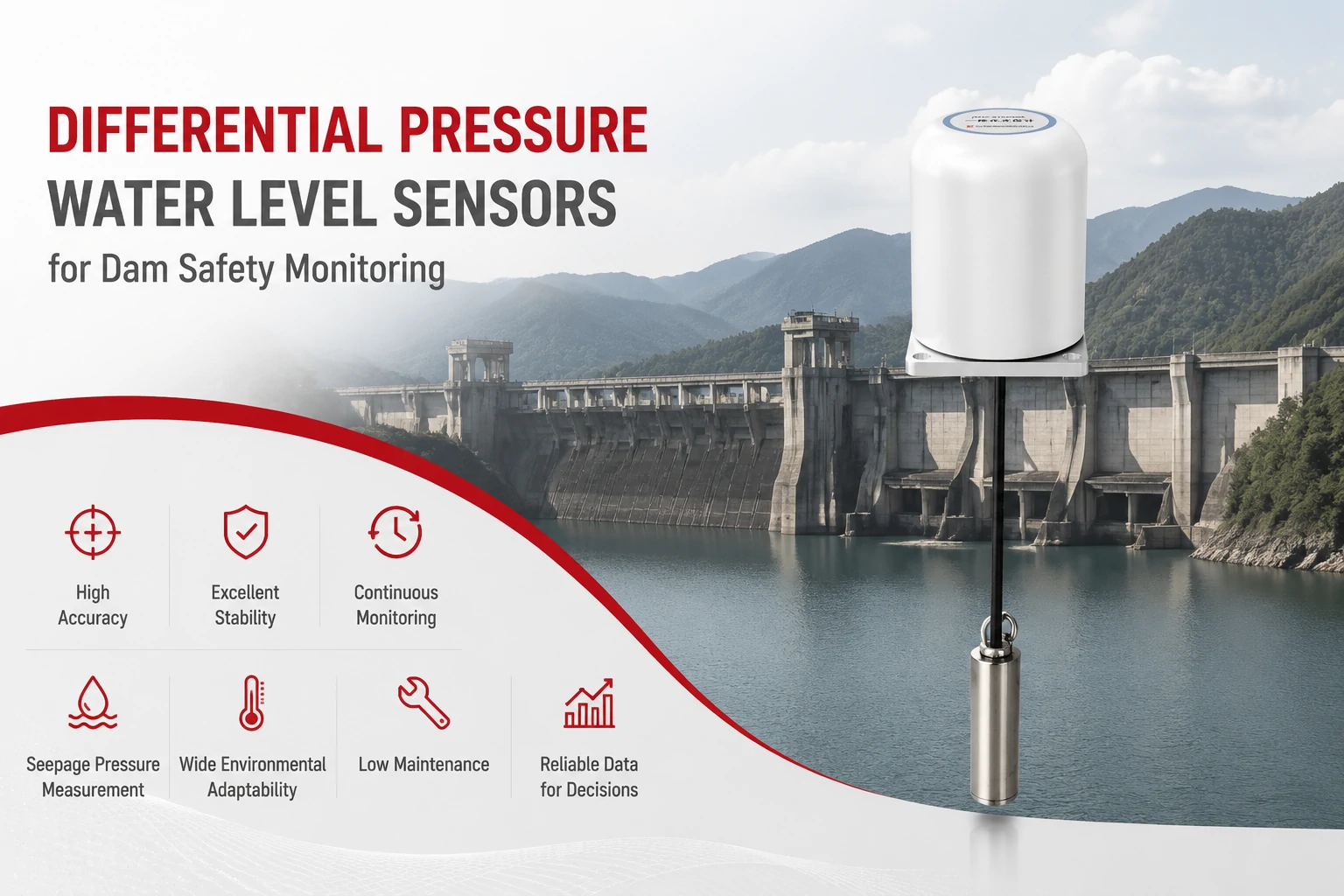
Key Takeaways The strongest fit is usually a confined, submerged, or s...
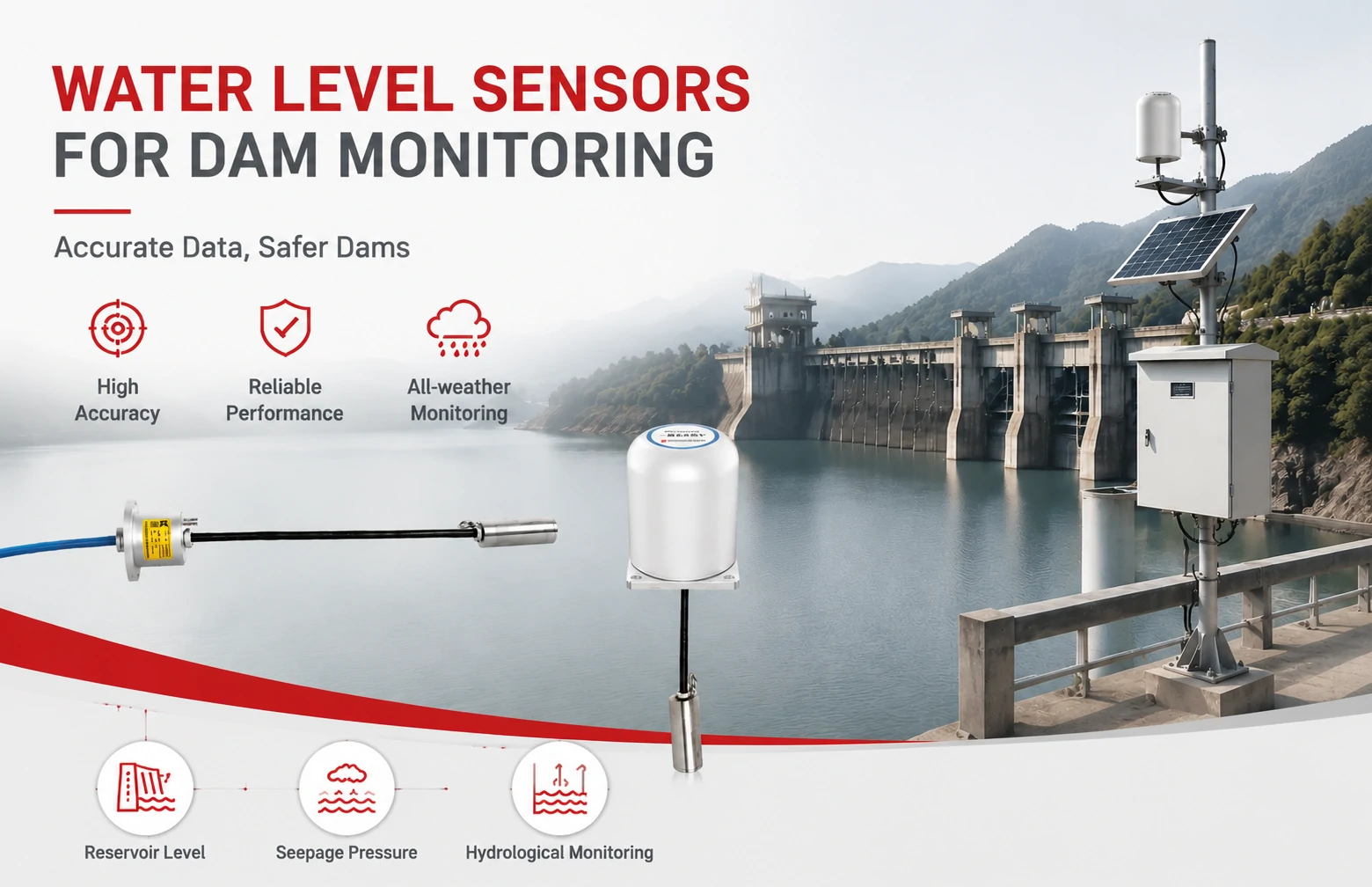
Kingmach Water Level Sensors for Dam Monitoring: A Buyer's Guide to Differential Pre...
Products
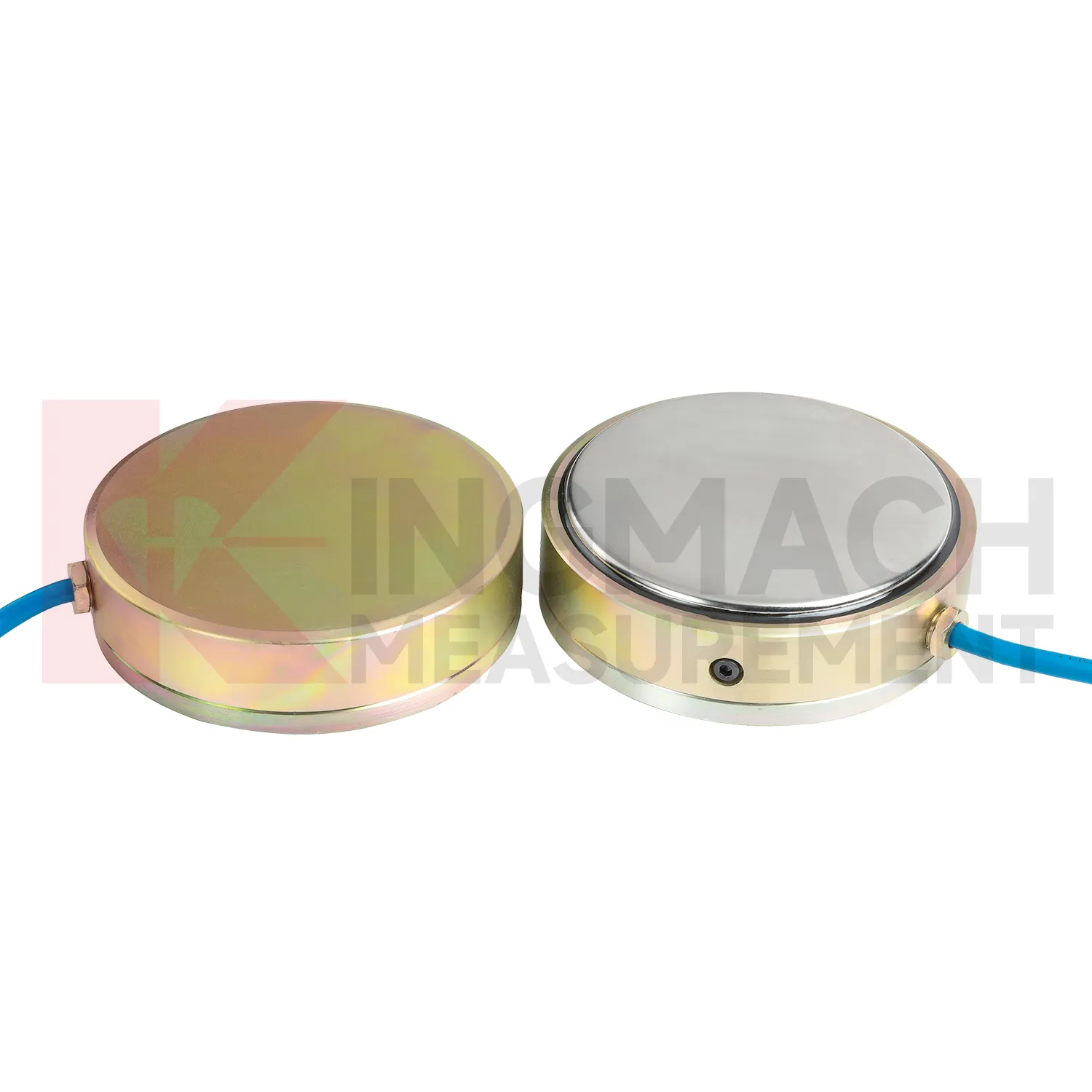
Earth Pressure Cell ( VW & Smart Type) JMZX-50XXAT/ ATM
View Details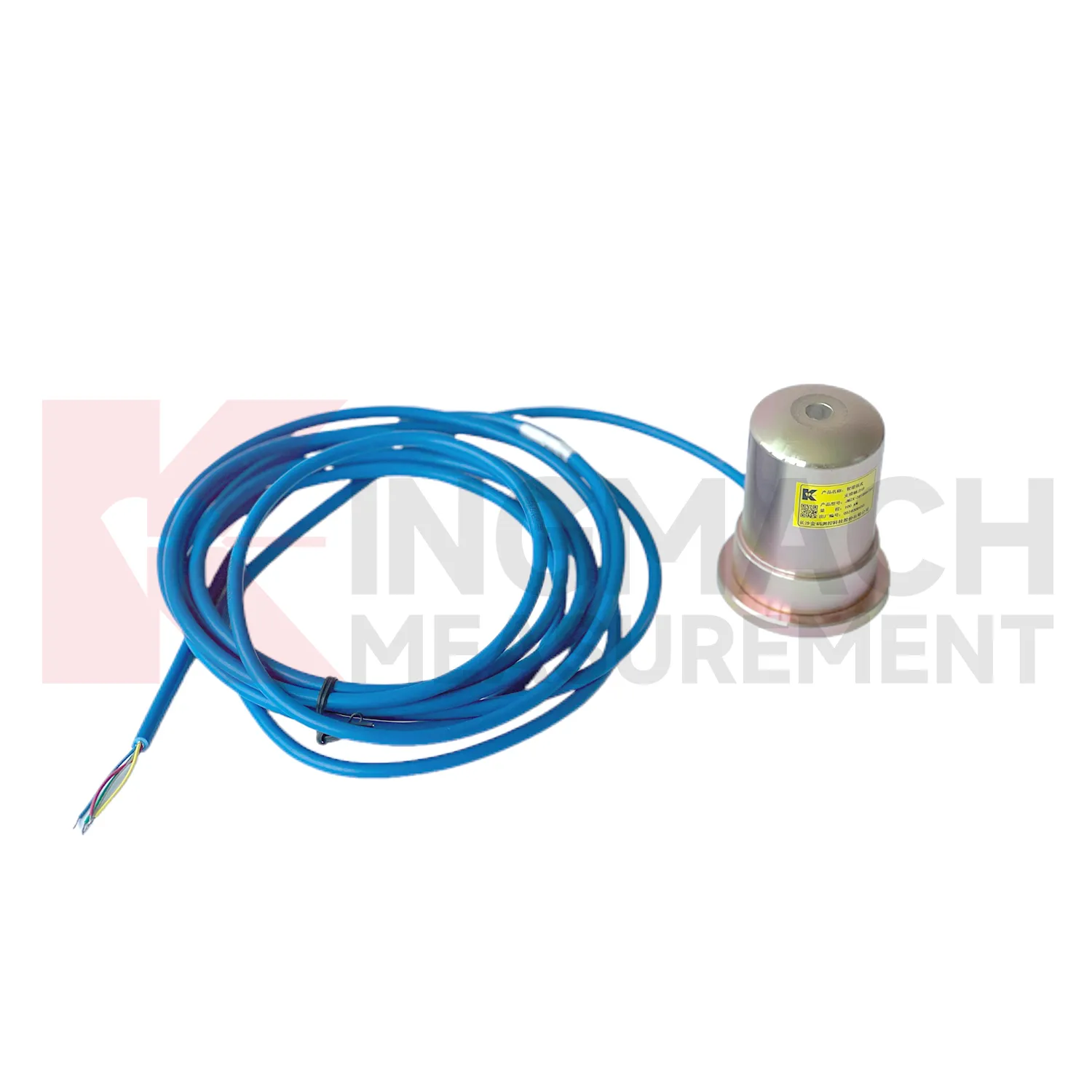
Smart Formwork Axial Force Meter(VW)JMZX-39XXHAT
View Details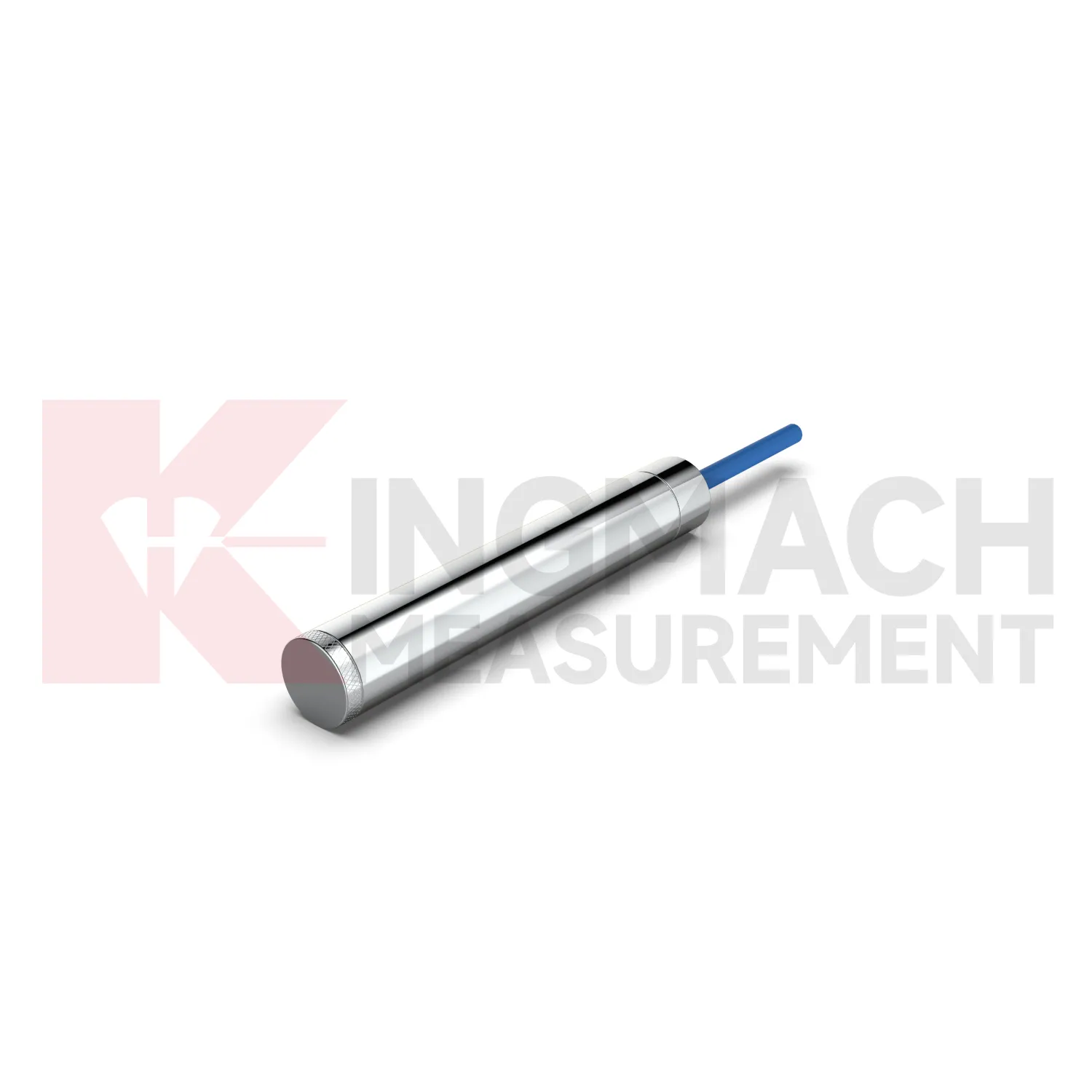
Smart Vibrating Wire PiezometerSmart Piezometers (VW) JMZX-55XXHAT
View DetailsFAQ
It depends on your monitoring duration and environment. Vibrating wire load cells are more stable for long-term geotechnical monitoring because they are less sensitive to electrical noise and cable length. Strain gauge types can give faster readings, which might be useful for short-term dynamic tests. Discuss the project’s timeline with the manufacturer to match the sensor to your data needs.
Yes, customization is one of their strengths. They can adjust range, dimensions, cable length, and mounting hardware to suit your application. Provide a sketch or spec sheet, and their engineering team will work with you to ensure the sensor fits physically and electrically into your monitoring setup.
Kingmach offers after-sales support including installation guidance, calibration checks, and data interpretation tips. If readings look off, their team can help diagnose whether the issue is sensor-related or due to environmental factors. Global distributors can also provide on-site assistance in many regions.
Proper handling during installation is key. Use the recommended mounting fixtures and avoid overloading beyond the sensor’s capacity. Kingmach sensors typically come with robust housings and waterproofing, but extra protection like shielding from direct impact or heavy machinery is good practice. If damage is suspected, a simple calibration check can confirm functionality before critical measurements.
Most models output signals compatible with common geotechnical dataloggers. For example, vibrating wire sensors connect to dedicated VW readout units, while strain gauge models use standard millivolt or 4-20 mA outputs. Confirm compatibility by sharing your datalogger model, and the manufacturer can provide wiring schematics if needed.
Share your product type, target capacity, and application requirements. Our team can review the details and recommend a practical next step.
If you are interested in our products or want to become our partner.
Please leave your contact information, our team will contact you as soon as possible.
Mail: [email protected]
Contact Us: +8613808434127
Address: No. 188 Tongzipo West Rd, Changsha, Hunan, China