
 EN
EN
 ar
ar bg
bg hr
hr cs
cs da
da nl
nl fi
fi fr
fr de
de el
el hi
hi it
it ko
ko no
no pl
pl pt
pt ro
ro ru
ru es
es sv
sv tl
tl iw
iw id
id lv
lv lt
lt sr
sr sk
sk sl
sl uk
uk vi
vi et
et hu
hu th
th tr
tr fa
fa ms
ms hy
hy ka
ka ur
ur bn
bn mn
mn ta
ta kk
kk uz
uz ku
ku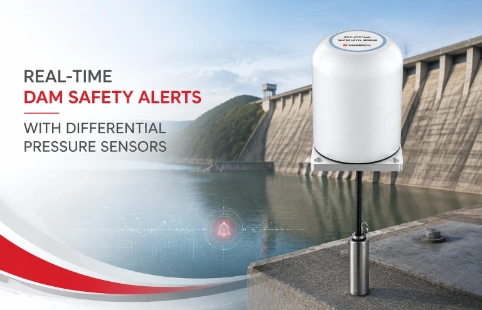
Real-Time Dam Safety Alerts with Differential Pressure Water Level Sensors
Key Takeaways An alert chain needs more than a sensor: define field in...

Load Cell Testing: Keep Your Weighing Data Trustworthy
A scale that drifts by half a percent might not sound like much—until that half percent turns into lost product, scrapped batches, or a structural overload warning you missed. Load cell testing isn't about passing a one-time check; it's about making sure every reading you act on is still good. Kingmach has spent years supplying load cells to monitoring projects worldwide, and we've learned that even a small installation can cause big problems if testing gets skipped. Whether you're running platform scales, tank weighing, or geotechnical instrumentation, the basics are the same: excitation checks, zero balance, insulation resistance, and a creep test that reflects real-world loading. You don't need a metrology lab for most of these—a decent digital multimeter and some weights go further than many people expect. We supply sensors built to hold their specs, but we'll be the first to say that regular on-site checks matter more than any factory certificate. That's the approach we bring to every order: the cell leaves our workshop tested and documented, but the real test is what it does six months later under your load.
Technical Detail
Kingmach makes load cells for industrial scales, process monitoring, and geotechnical measurement. The range covers shear beam, S-type, compression, and tension models, with capacities from a few kilograms to several hundred tonnes. Before shipping, each cell passes calibration, off-center loading, and temperature compensation checks against OIML or NTEP guidelines. We don't see testing as a final gate—we design it into the cell's construction. Bridge resistance is matched to common indicator inputs; cable shielding is arranged to survive installation pulls; and creep performance is verified at rated load and beyond, because real operations rarely stop at 100%. Our technical documentation includes test reports and recommended inspection intervals, not just for our cells but for the typical system setup. If you're building a hopper scale or landslide monitoring station, we can suggest test sequences that match your loading pattern. Support after delivery often starts with a customer sending us readings from a field check—voltage, impedance, a photo of the install—and we walk through what the numbers mean. This is what mid-range monitoring equipment should come with: honest specs, pre-shipment verification, and a contact who can talk about repeatability and thermal errors without a script. The product range is wide enough to cover most weighing and force needs, and we keep common models in stock for fast trials.
News
Key Takeaways An alert chain needs more than a sensor: define field in...
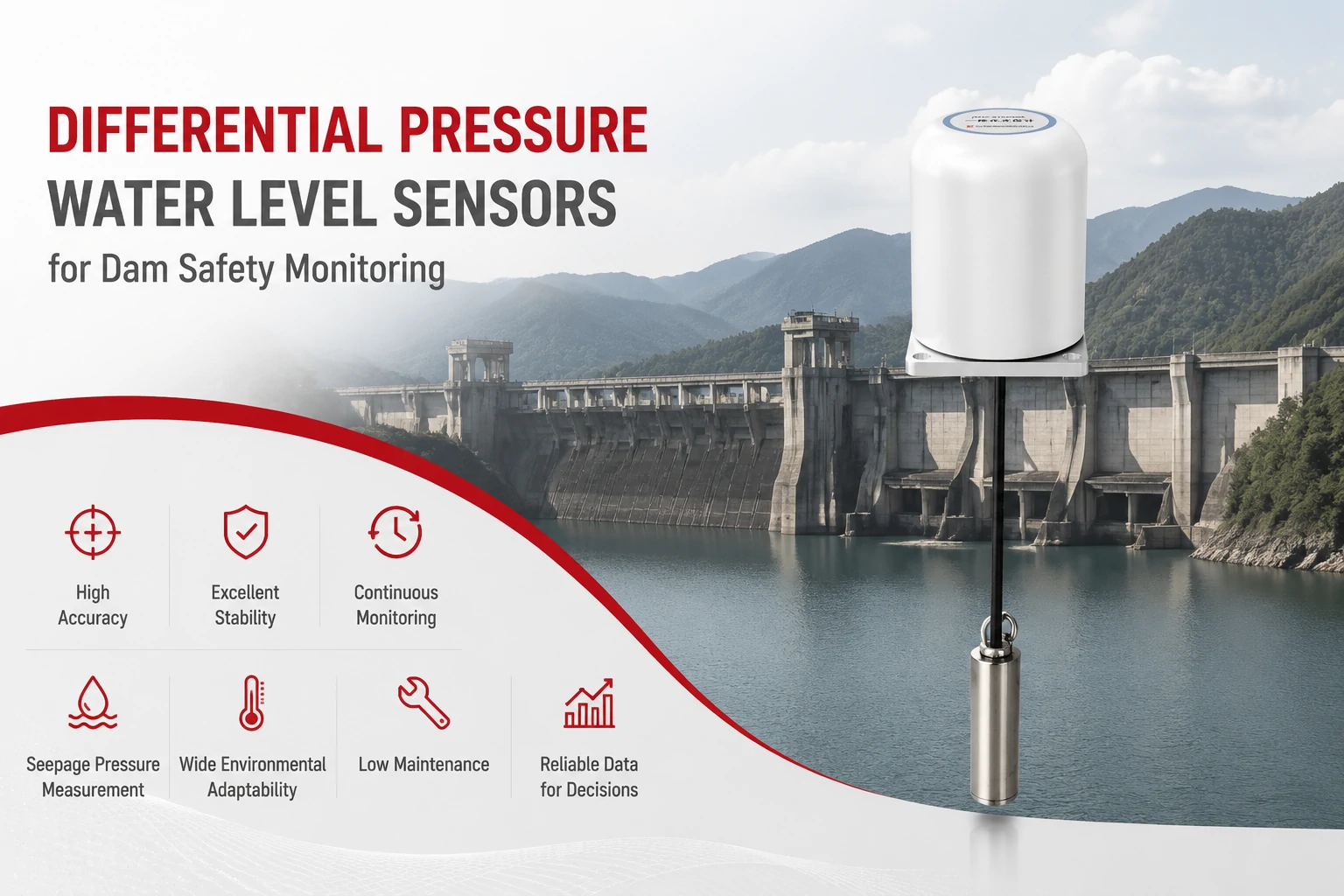
Key Takeaways The strongest fit is usually a confined, submerged, or s...
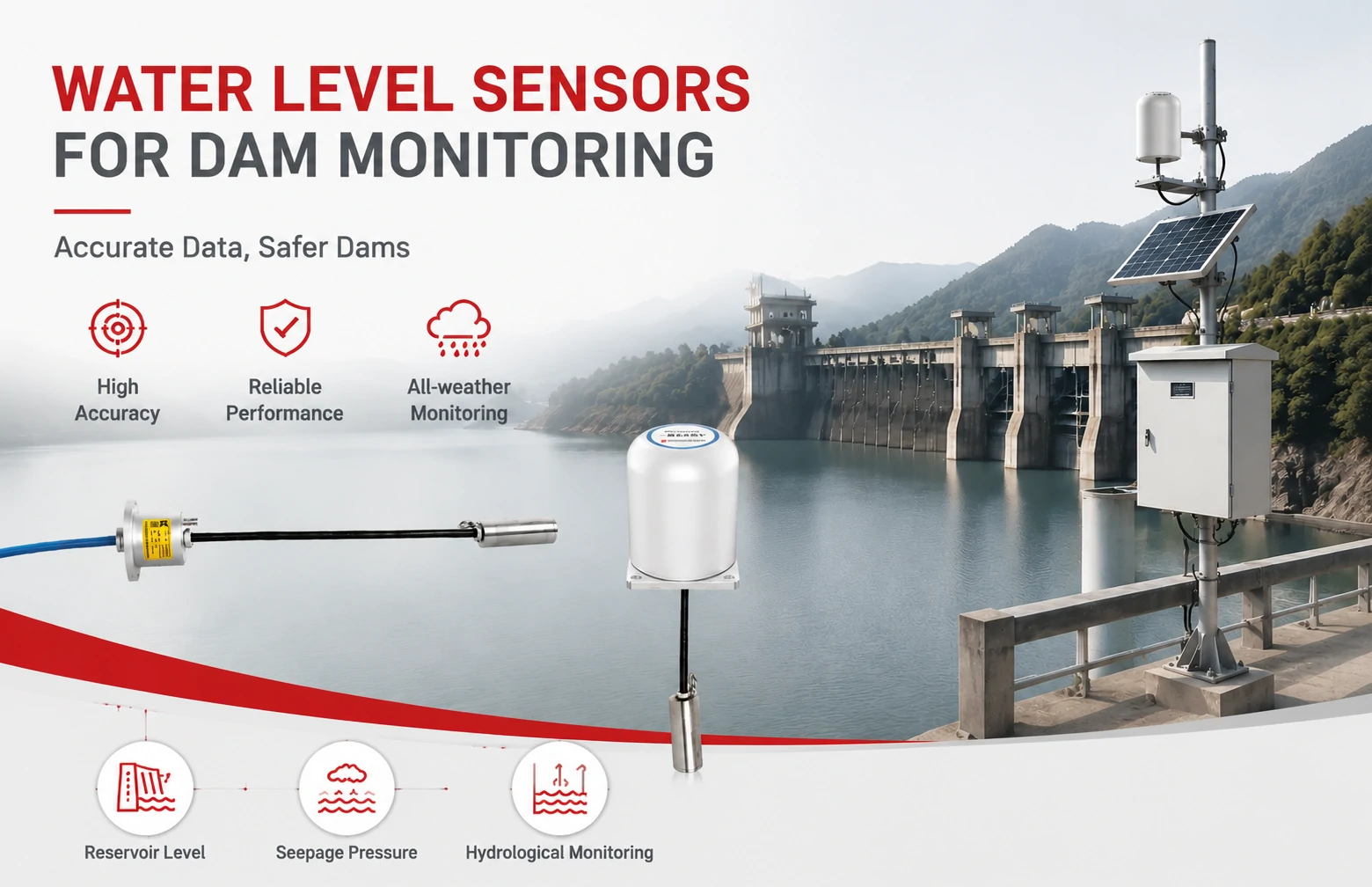
Kingmach Water Level Sensors for Dam Monitoring: A Buyer's Guide to Differential Pre...
Products
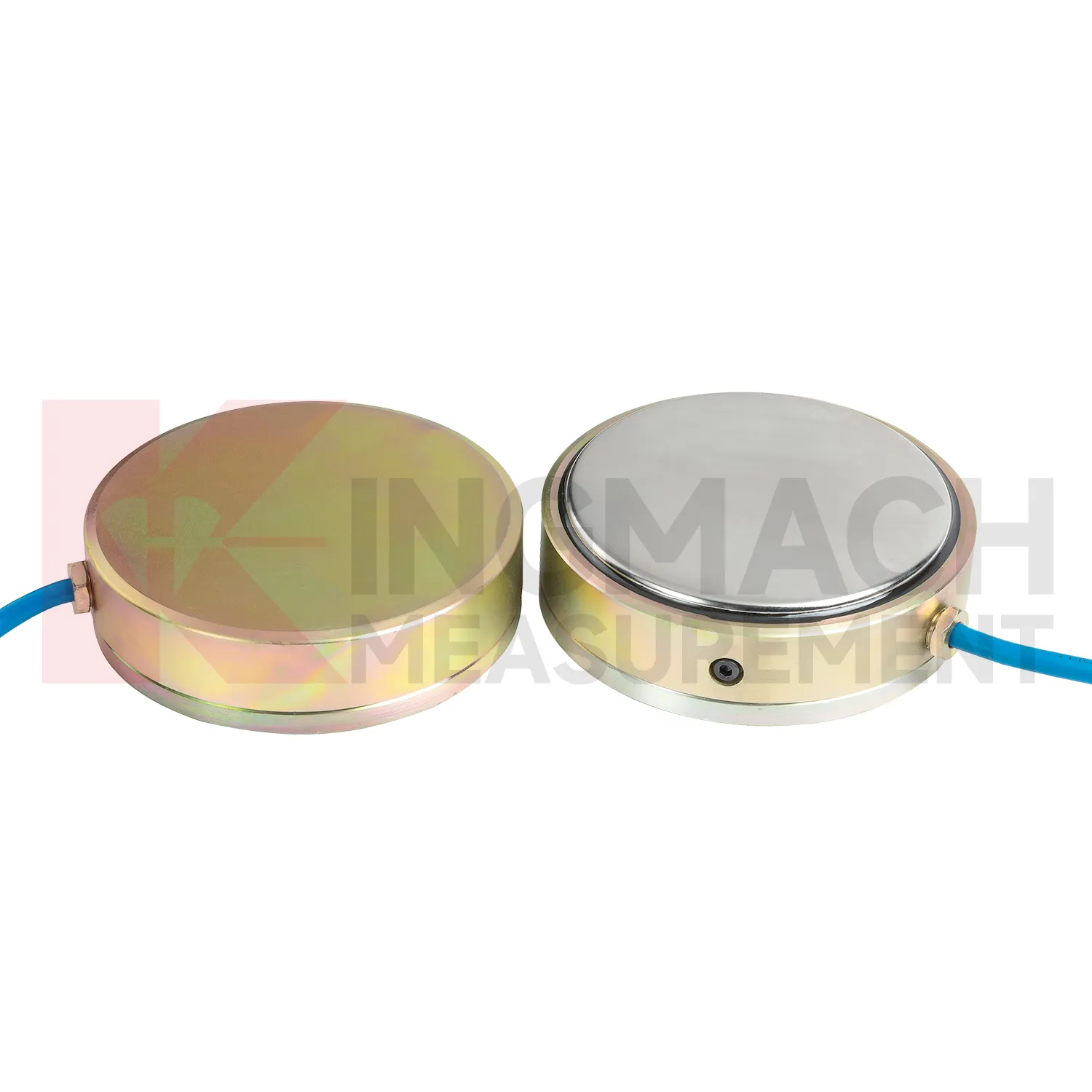
Large Earth Pressure Cell ( VW & Smart Type) JMZX-51XXAT/ ATM
View Details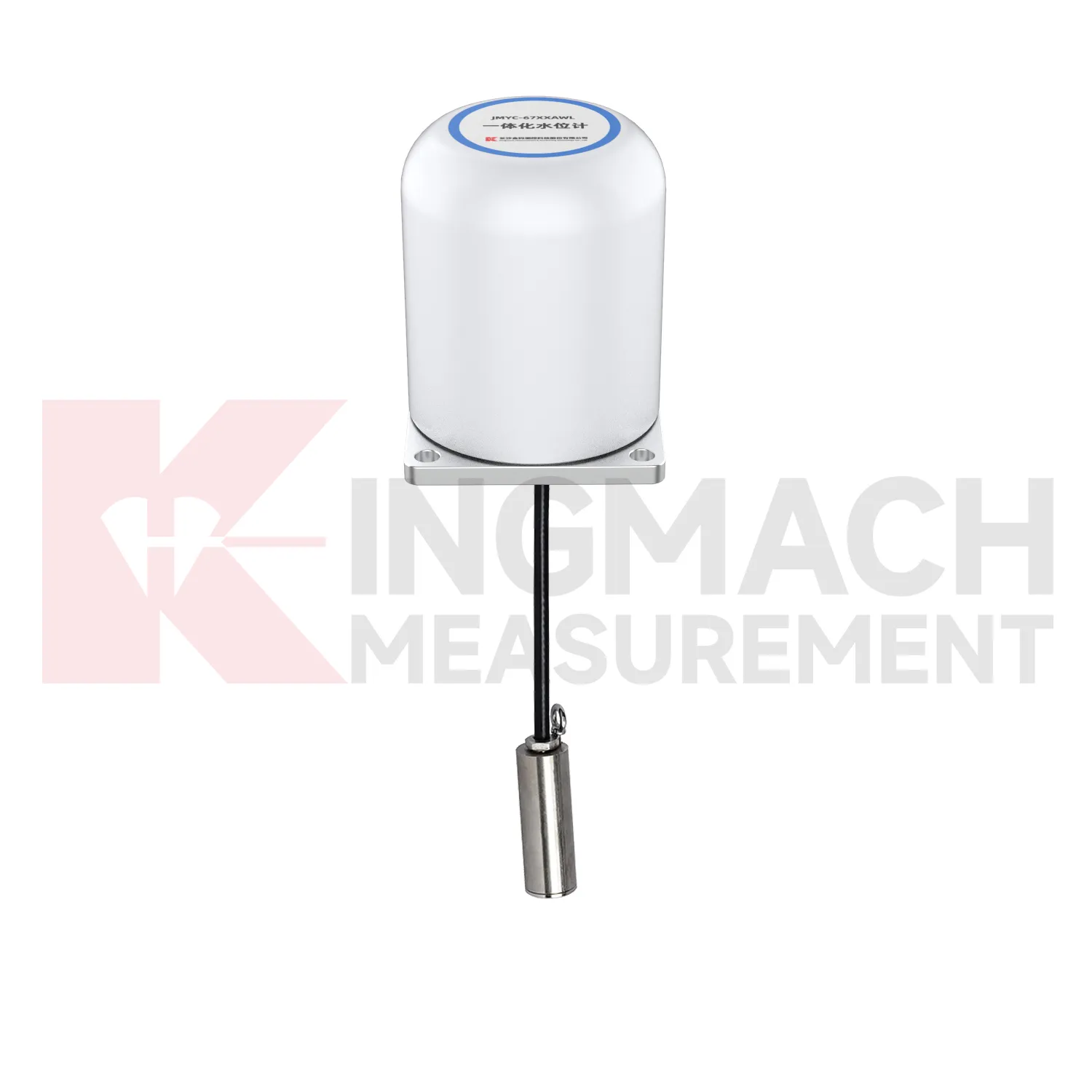
Integrated Wide-Range Differential Pressure Water Level Meter JMYC-67XXAWL
View Details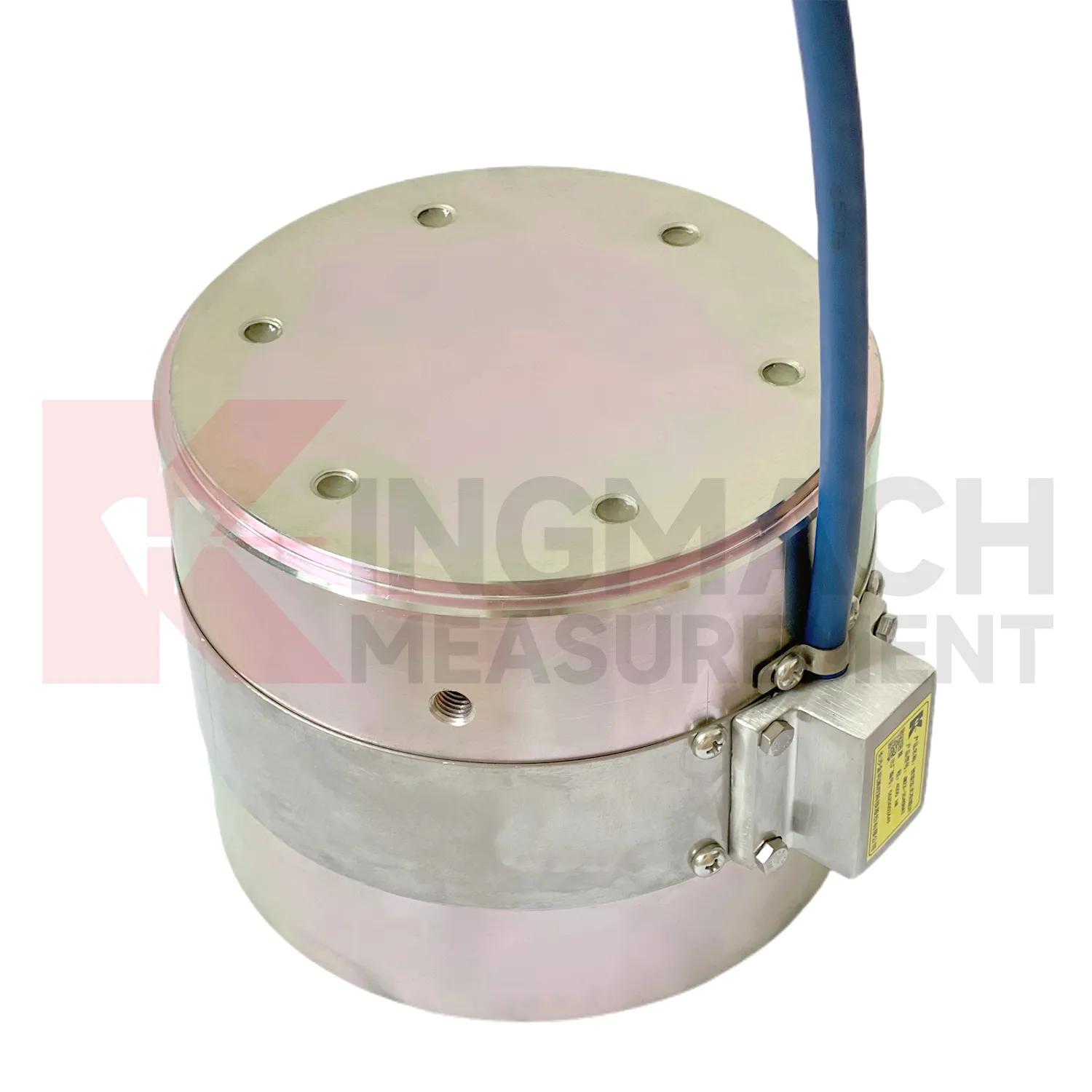
Solid load cell JMZX-34XXHAT、35XXHAT、36XXHAT
View DetailsFAQ
Start with the excitation leads. With the cell unloaded, measure the input and output resistances against the datasheet—typically 350Ω or 1000Ω for strain gauge types. Then check zero balance: with excitation applied, the output should be near 0mV/V, usually within 1% of full scale. Next, apply a known load and verify the output changes linearly. If you see drifting or out-of-spec resistance, the cell may have moisture ingress or a damaged gauge.
There's no fixed rule, but for industrial weighing, a full calibration every 12 months is common. If the cell is exposed to shock loads, temperature swings, or corrosive environments, check zero balance and insulation resistance every 3–6 months. For critical applications like structural health monitoring, continuous diagnostics like shunt calibration can flag issues between formal tests.
Calibration relates the cell's output to known weights and corrects the entire measurement chain. Testing is broader—it includes visual inspection, insulation checks, and verifying that the cell hasn't developed internal damage. You can test a load cell without calibrating it, but a calibration run will usually reveal if something is wrong.
We don't operate a test house for third-party cells, but our engineers can review your test data and recommend next steps. If you send us resistance readings, zero balance measurements, or load test results, we'll tell you whether the cell likely needs replacement or adjustment. For complex systems, we can also suggest local calibration labs.
Water ingress and cable damage lead the list. Even IP67-rated cells can develop problems if the cable is crushed or the seal is broken. During testing, a sudden drop in insulation resistance—below 500MΩ at 50V—often points to moisture. Improper mounting is another frequent issue: off-center loading or binding introduces side forces that skew the test results long before the cell fails electrically.
Share your product type, target capacity, and application requirements. Our team can review the details and recommend a practical next step.
Related Keywords
If you are interested in our products or want to become our partner.
Please leave your contact information, our team will contact you as soon as possible.
Mail: [email protected]
Contact Us: +8613808434127
Address: No. 188 Tongzipo West Rd, Changsha, Hunan, China