
 EN
EN
 ar
ar bg
bg hr
hr cs
cs da
da nl
nl fi
fi fr
fr de
de el
el hi
hi it
it ko
ko no
no pl
pl pt
pt ro
ro ru
ru es
es sv
sv tl
tl iw
iw id
id lv
lv lt
lt sr
sr sk
sk sl
sl uk
uk vi
vi et
et hu
hu th
th tr
tr fa
fa ms
ms hy
hy ka
ka ur
ur bn
bn mn
mn ta
ta kk
kk uz
uz ku
ku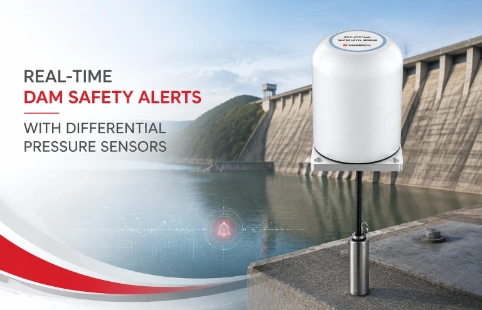
Real-Time Dam Safety Alerts with Differential Pressure Water Level Sensors
Key Takeaways An alert chain needs more than a sensor: define field in...

Uses of Accelerometers That Field Engineers Rely On
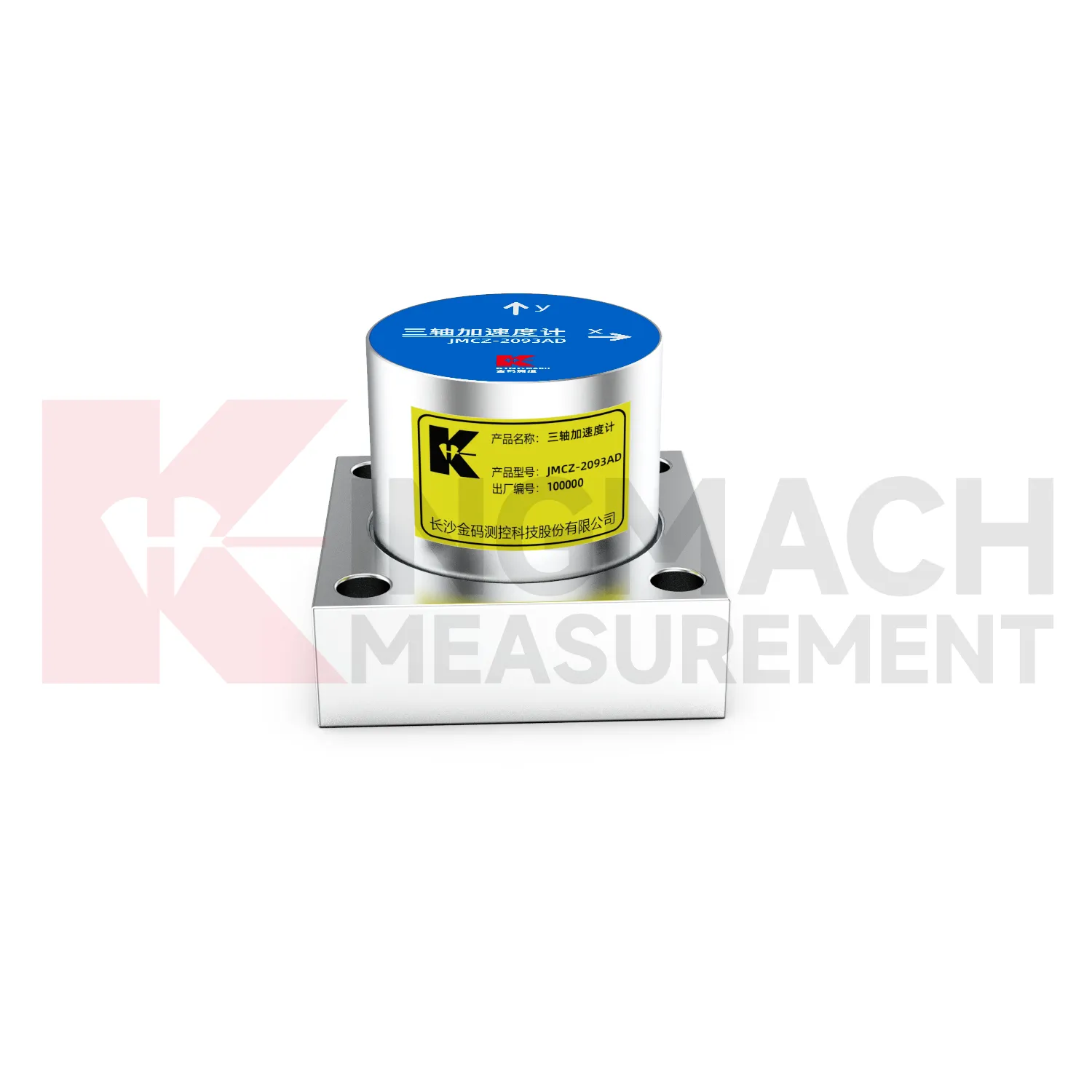
Accelerometers show up in more places than most people realize. In geotechnical and structural monitoring, they are often the first choice for tracking vibration, tilt, or sudden movement. Whether it’s a bridge pier, a tunnel lining, or a slope that needs watching, accelerometers give engineers the data they need to assess what’s happening underground or inside a structure. Kingmach works in this space every day—designing instruments that fit into real monitoring systems, not just lab benches. From low-frequency seismic events to high-speed impact measurements, the uses of accelerometers keep expanding. This article looks at how they are applied on active job sites and what makes them practical for long-term field monitoring.
Technical Detail
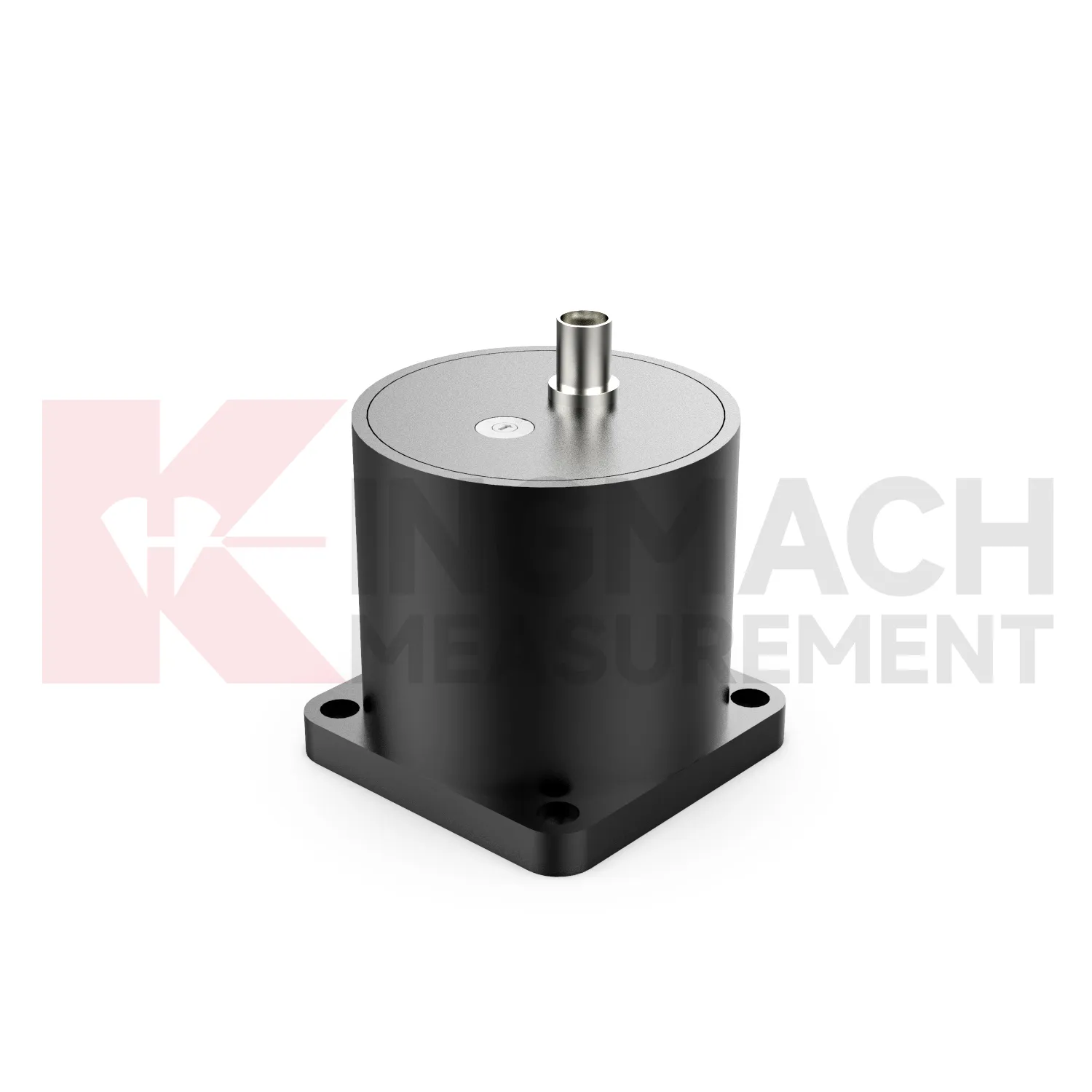
In practice, the uses of accelerometers branch out across many areas of geotechnical instrumentation. Structural health monitoring is one example: accelerometers mounted on buildings or bridges detect changes in dynamic behavior—shifts in natural frequency or unusual vibration patterns that might signal damage. In seismic arrays, they record ground motion during earthquakes, providing data for site-specific response analysis. Slope stability monitoring also relies on accelerometers; a slight tilt or rapid acceleration can indicate an impending landslide long before it’s visible. Kingmach accelerometers are built for these field environments. Housings are sealed against moisture and dust, and the signal conditioning is designed to handle long cable runs without noise ruining the data. The range goes from low-g sensors for subtle structural sway to high-g units for blast monitoring. Installation is straightforward—most models can be bolted directly onto steel or concrete with standard mounting studs. Power options include 4-20 mA loops, so they integrate easily with existing data loggers. When a project demands a specific frequency response or size, Kingmach’s customization service adjusts the sensor to fit, not the other way around. Distributors in 40+ countries also mean local support is often within reach. That matters when a monitoring program is already behind schedule and replacing a failed sensor takes weeks. Engineers who work with accelerometers daily want three things: repeatable measurements, rugged packaging, and a supplier who answers the phone. Kingmach ticks those boxes.
News
Key Takeaways An alert chain needs more than a sensor: define field in...
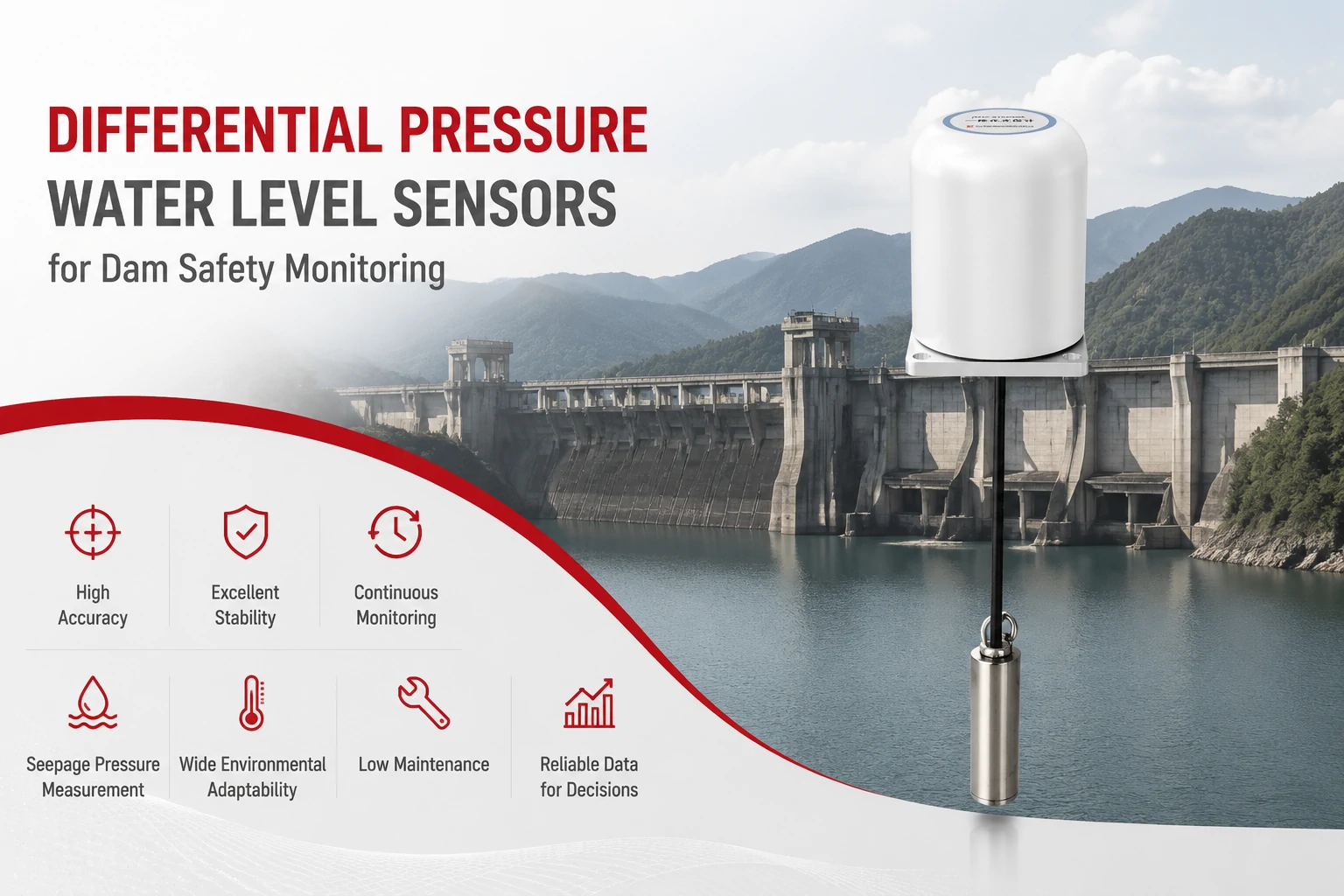
Key Takeaways The strongest fit is usually a confined, submerged, or s...
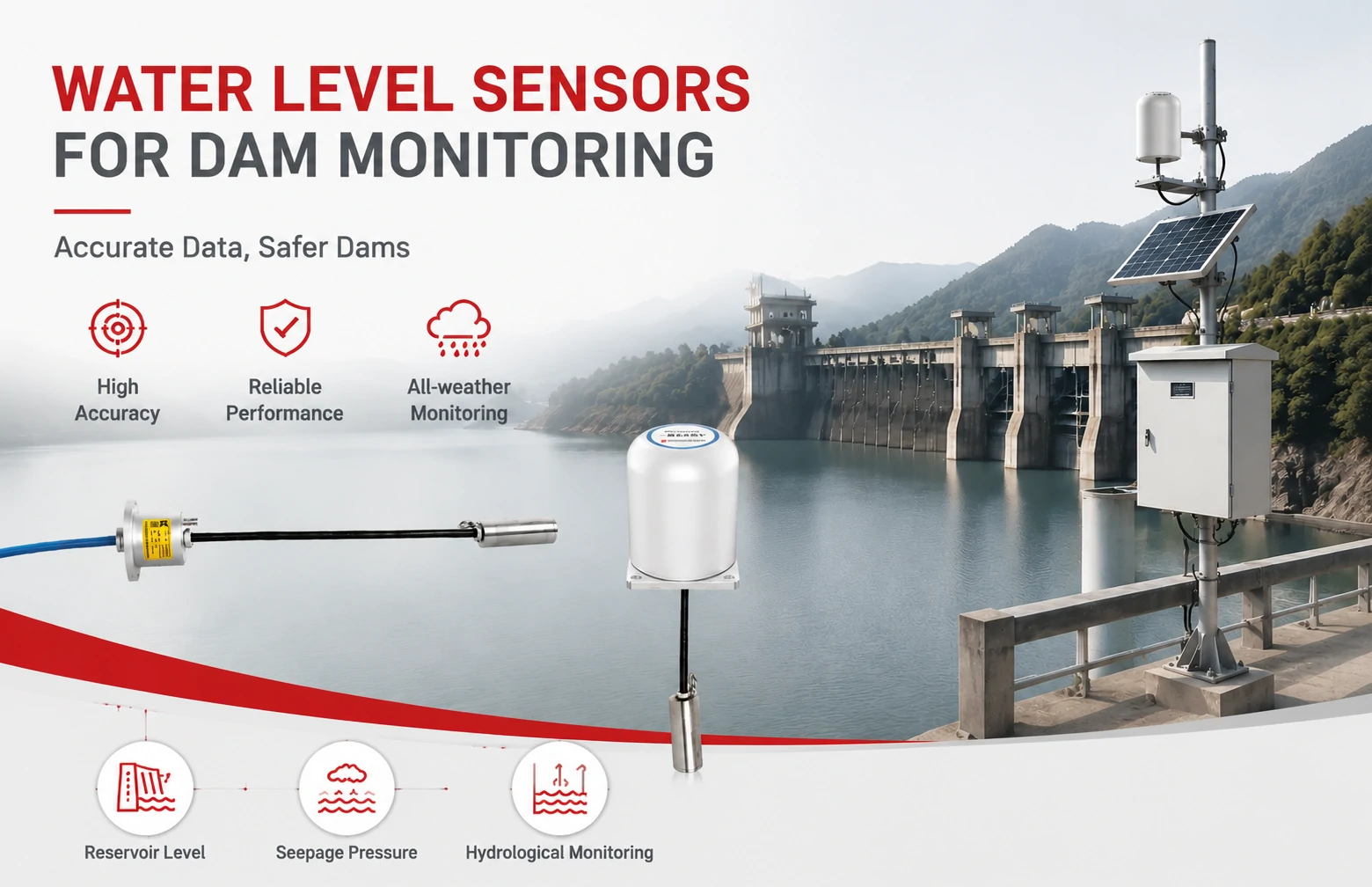
Kingmach Water Level Sensors for Dam Monitoring: A Buyer's Guide to Differential Pre...
Products
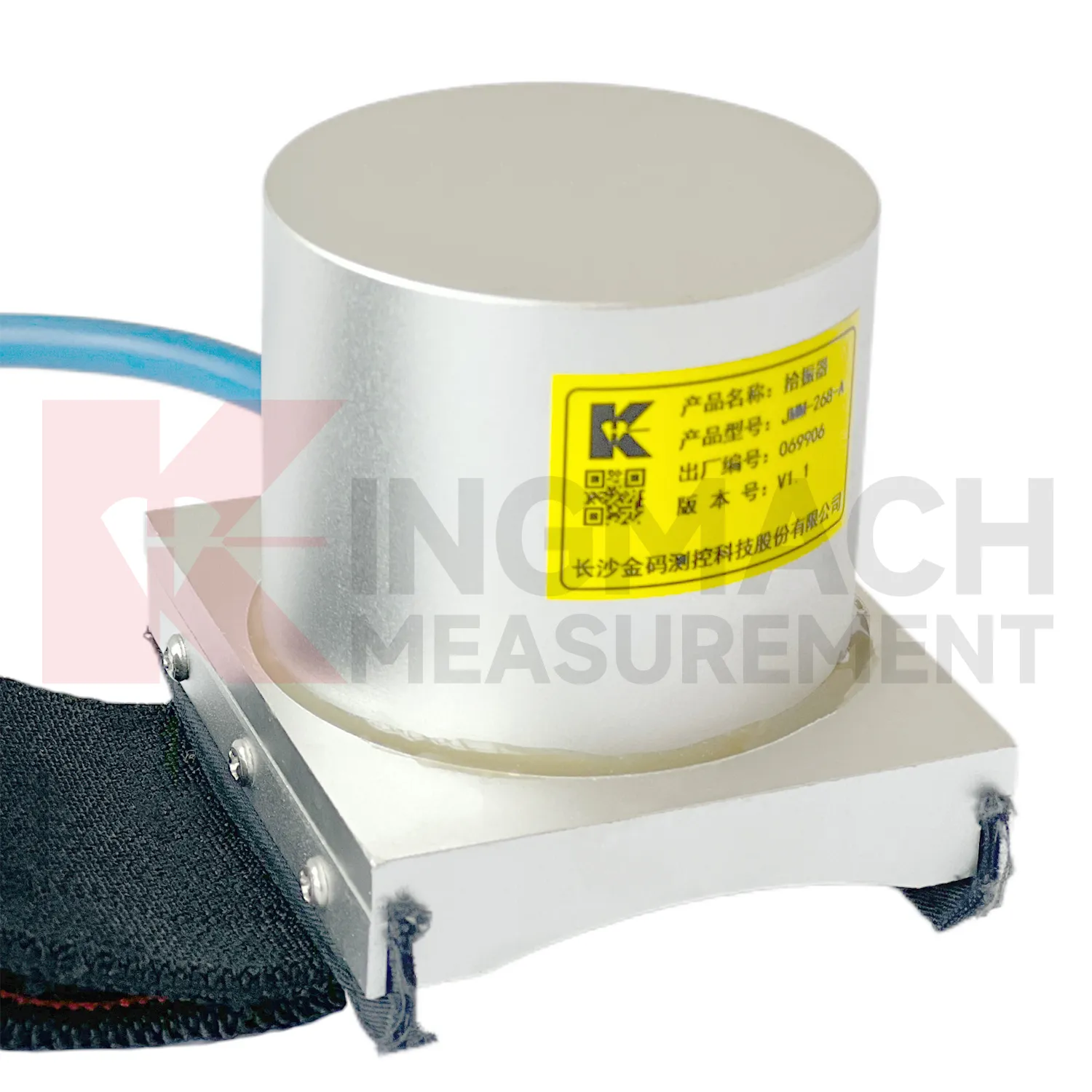
FAQ
Most often, it’s used to measure vibration or seismic response. In structural health monitoring, accelerometers track how a building or bridge moves over time. In slopes or earth dams, they detect sudden acceleration that might indicate instability. Some projects also use them for continuous tilt monitoring by measuring the gravity vector.
That depends on the sensor design. Piezoelectric accelerometers typically have a low-frequency cutoff around 0.5 Hz due to the built-in charge amplifier time constant. For lower frequencies—down to 0 Hz—MEMS-based or servo accelerometers are more suitable. Kingmach offers both, so engineers can choose based on the application.
Yes, with the right protection. Many field accelerometers are rated IP67 or IP68 and can survive months buried in soil or submerged in standpipes. The housing material—usually stainless steel—resists corrosion, and the connector is often a mil-spec type to prevent water ingress. Always check the cable jacket as well; polyurethane sheaths hold up better than PVC in saturated conditions.
An inclinometer measures angle from vertical along a borehole profile; an accelerometer captures dynamic acceleration. In slope monitoring, inclinometers give a static picture of displacement, while accelerometers provide near real-time motion data—useful for early warning of rapid failures.
Look at the expected maximum acceleration in your scenario. For ambient building vibration, ±2 g is usually enough. For seismic events, ±10 g might be necessary. For blast monitoring or impact testing, ±500 g or more. Choosing too high a range can reduce resolution; too low risks clipping the signal. Talk to the manufacturer about expected amplitude and frequency to get a proper recommendation without guesswork.
Share your product type, target capacity, and application requirements. Our team can review the details and recommend a practical next step.
If you are interested in our products or want to become our partner.
Please leave your contact information, our team will contact you as soon as possible.
Mail: [email protected]
Contact Us: +8613808434127
Address: No. 188 Tongzipo West Rd, Changsha, Hunan, China