
 EN
EN
 ar
ar bg
bg hr
hr cs
cs da
da nl
nl fi
fi fr
fr de
de el
el hi
hi it
it ko
ko no
no pl
pl pt
pt ro
ro ru
ru es
es sv
sv tl
tl iw
iw id
id lv
lv lt
lt sr
sr sk
sk sl
sl uk
uk vi
vi et
et hu
hu th
th tr
tr fa
fa ms
ms hy
hy ka
ka ur
ur bn
bn mn
mn ta
ta kk
kk uz
uz ku
ku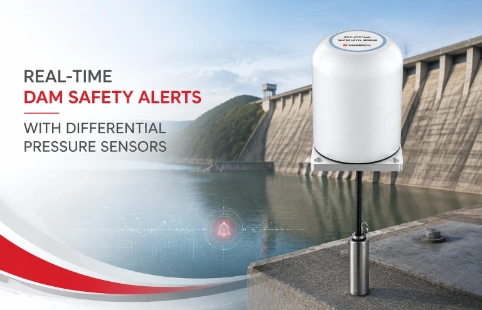
Real-Time Dam Safety Alerts with Differential Pressure Water Level Sensors
Key Takeaways An alert chain needs more than a sensor: define field in...

Capacitive Displacement Transducers: Non-Contact Accuracy
When a measurement task calls for sub-micrometer resolution and zero contact force, capacitive displacement transducers come to mind. These sensors measure changes in electrical capacitance between a probe and a conductive target, turning minute distance variations into clean analog or digital signals. Kingmach manufactures capacitive displacement transducers that sit in the mid-range sweet spot—high enough precision for most quality-control and research setups, without the premium price tag of lab-grade systems. They find use in vibration monitoring, thickness gaging, and positioning stages where optical methods run into trouble with dirt or vacuum. The transducers are built to handle real-world conditions, with guard rings and driven shields to minimize stray capacitance. Custom cable lengths, mounting adapters, and multi-channel configurations are available, so you don’t have to overengineer the interface. Because the measurement is purely electrical, bandwidths can reach tens of kilohertz, letting you track dynamic events that would blur slower sensors. Kingmach supports these installations with direct engineering feedback, not just a catalog number.
Technical Detail
Capacitive displacement transducers from Kingmach measure from micrometers down to nanometers, using a non-contact principle that avoids loading the target. The sensing element is a guarded electrode facing a grounded or capacitively-coupled target; as the gap changes, so does the capacitance, which conditioning electronics convert into a linear voltage or digital output. We offer both single-channel and differential models. Differential probes suppress common-mode errors from thermal drift or environmental changes, making them a solid choice for long-term monitoring. The electronics bandwidth is typically 5 kHz to 15 kHz, but custom bandwidth up to 50 kHz can be configured for high-speed events. Linearity error is kept below 0.1% over most ranges, and with proper calibration you can push that further. Standard probe bodies are stainless steel, available in diameters from 4 mm to 20 mm, with signals carried over triaxial cable to a signal conditioner that provides 0–10 V or 4–20 mA outputs. For OEM applications, we can integrate the conditioning board directly into the probe housing. The power supply is a simple +15 V DC, making it easy to incorporate into existing control cabinets. Kingmach also supports multi-point setups: up to 16 channels can synchronize through a single digital interface, useful for parallelism and runout checks on rotating shafts. The probes handle standard industrial temperatures from -20 °C to +85 °C, and we’ve tested them in vacuum environments down to 10^-4 mbar without significant signal degradation. Since every production run varies, we calibrate each transducer against a laser interferometer and supply a certificate. Custom target materials (aluminum, steel, ceramic) can be compensated in firmware. For measurement tasks that can’t afford any contact, Kingmach’s capacitive displacement transducers bridge the gap.
News
Key Takeaways An alert chain needs more than a sensor: define field in...
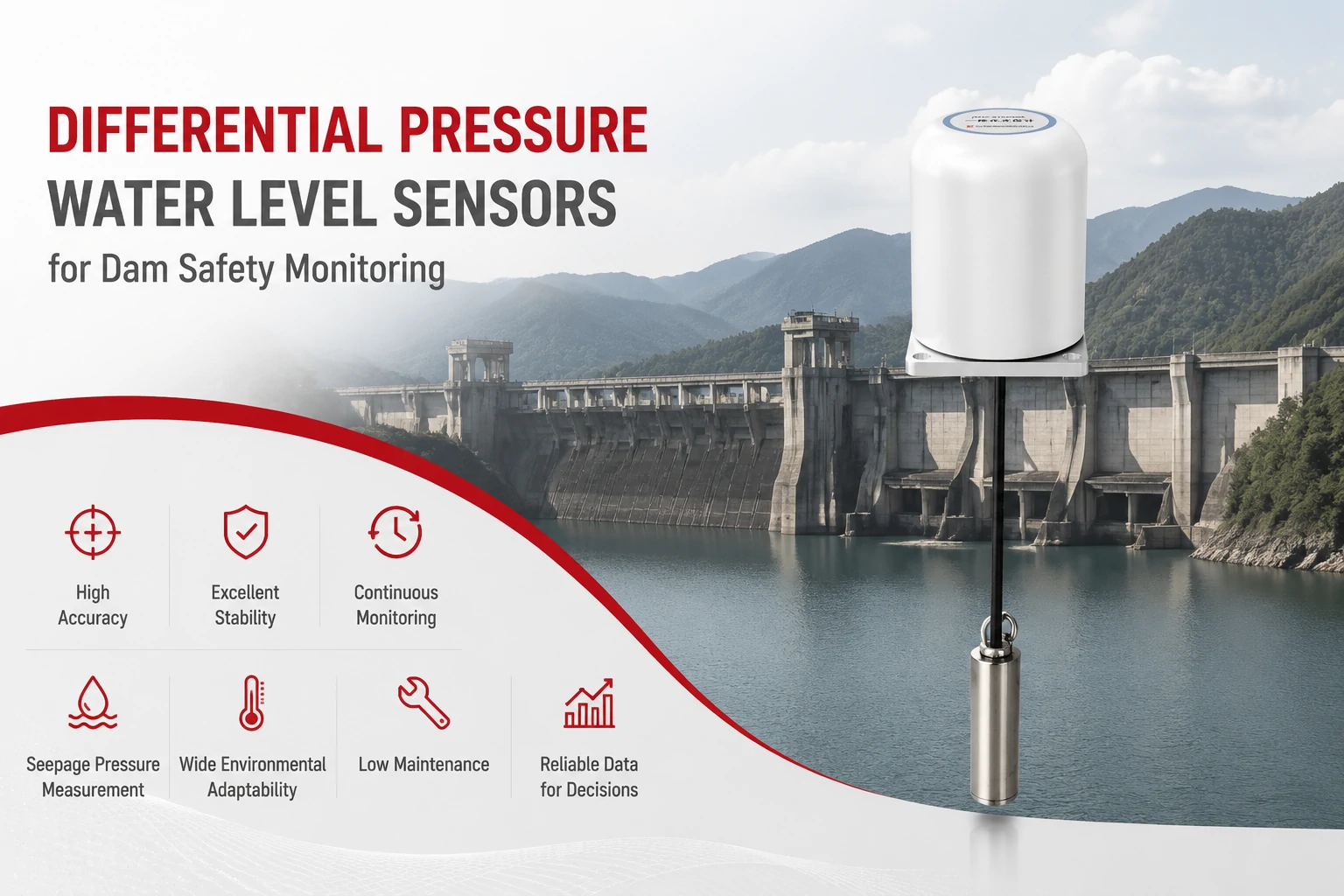
Key Takeaways The strongest fit is usually a confined, submerged, or s...
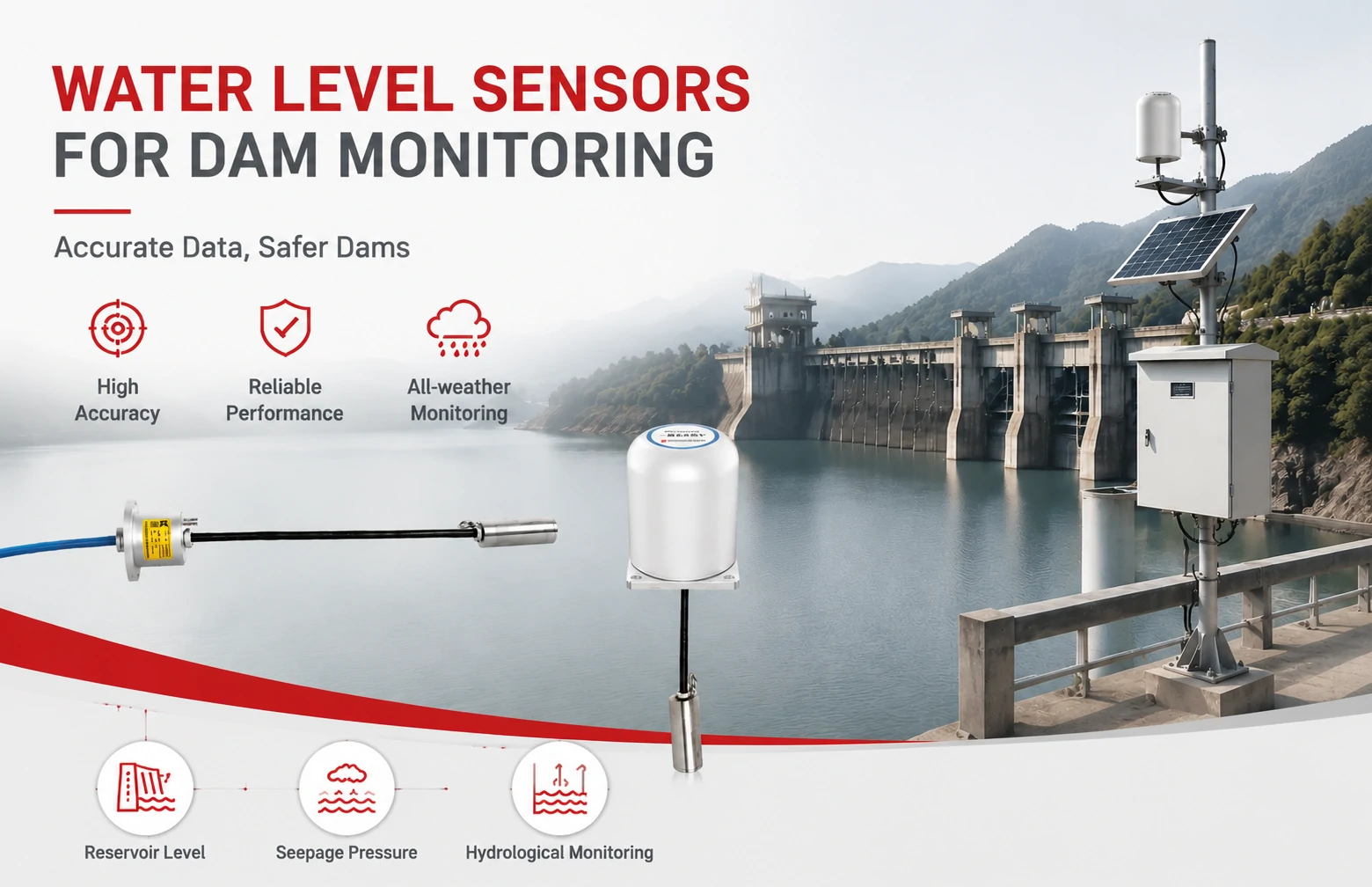
Kingmach Water Level Sensors for Dam Monitoring: A Buyer's Guide to Differential Pre...
Products
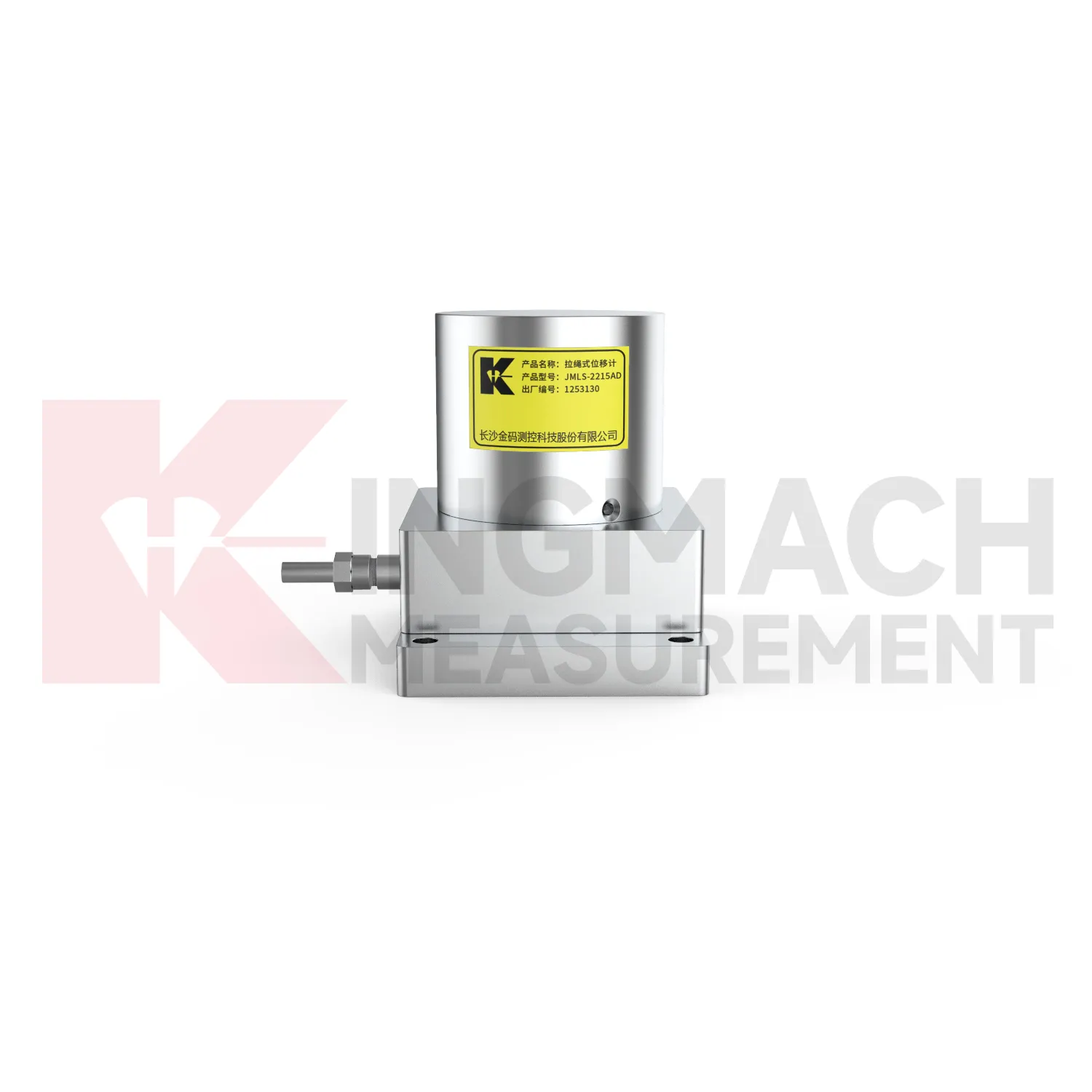
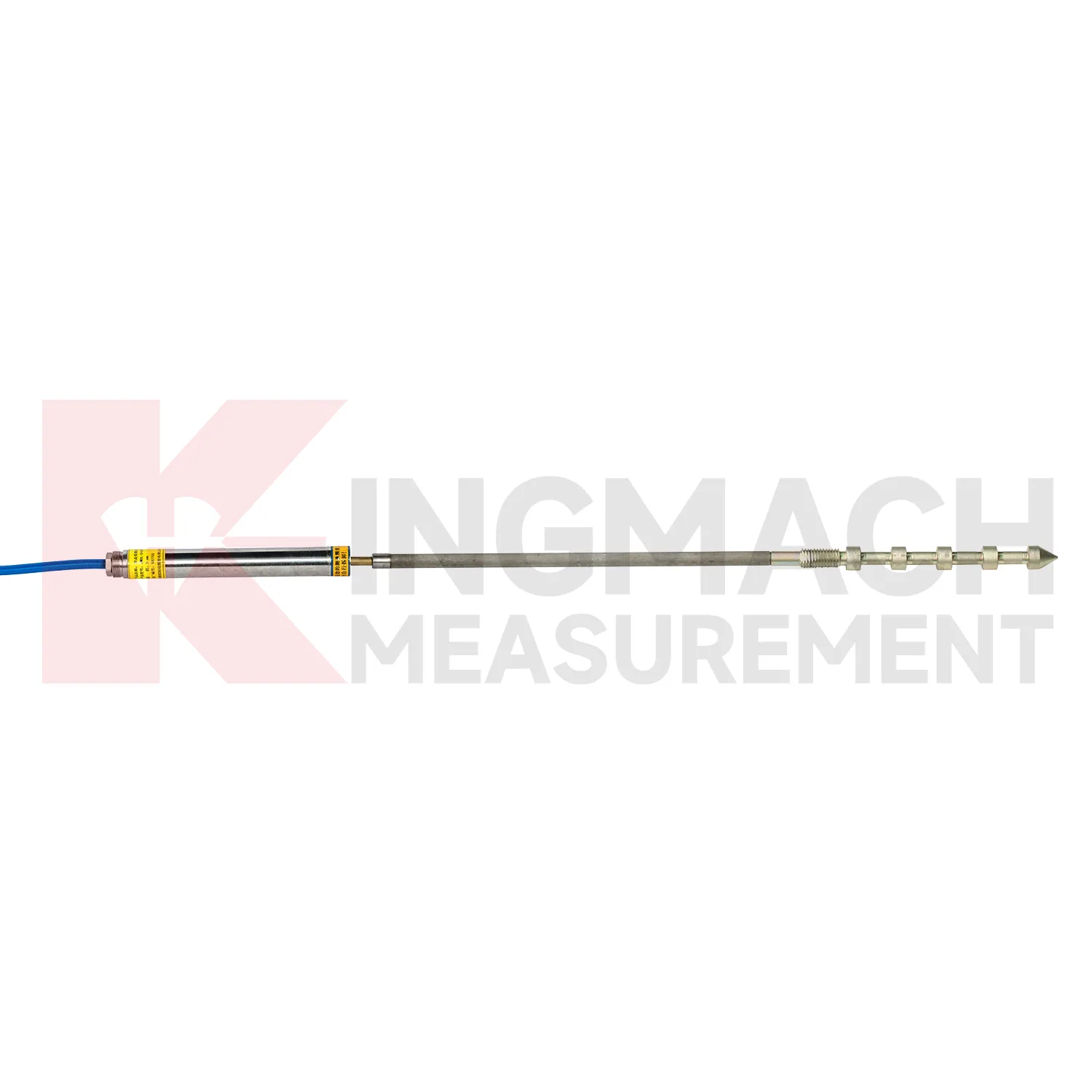
Smart Single-Point Bedrock Displacement Meter JMDL-32XXAT
View Details
FAQ
Both are non-contact, but capacitive probes typically achieve higher resolution—down to sub-nanometer—because they measure area-averaging capacitance rather than relying on magnetic field penetration. Eddy current sensors work better on ferrous targets through oil or water films, while capacitive probes need a clean, conductive surface and are affected by dielectric changes. If you’re measuring a smooth aluminum shaft, capacitive often wins on resolution and bandwidth; if it’s a rough steel part with coolant, go eddy current.
Common ranges span from 50 µm to 2 mm, but we’ve built probes up to 10 mm range for specific projects. The range-to-resolution ratio is generally around 10,000:1—meaning a 1 mm range probe can resolve 100 nm reliably. The trade-off is that wider ranges mean larger probe tips and lower bandwidths.
We’ve deployed them in moderate vacuum (down to 10^-4 mbar) without issues. For high temp, standard probes handle up to 85 °C; with a custom ceramic build we can go to 200 °C. The challenge is that the dielectric constant of the gap changes with temperature and pressure, so in-situ calibration is advisable.
Not really—the signal conditioner is pre-tuned, and most probes come with a calibration sheet. You’ll need to align the probe normal to the target within about ±0.5° to avoid cosine error, and keep the target surface clean of oil or fingerprints. We include a quick-start guide and typical interface circuits; most industrial electricians handle it in an afternoon.
Share your product type, target capacity, and application requirements. Our team can review the details and recommend a practical next step.
If you are interested in our products or want to become our partner.
Please leave your contact information, our team will contact you as soon as possible.
Mail: [email protected]
Contact Us: +8613808434127
Address: No. 188 Tongzipo West Rd, Changsha, Hunan, China